
Table of Contents
Many people stop whitening their teeth because traditional whitening products trigger sensitivity. Fortunately, modern formulas are designed to remove stains while protecting enamel and reducing discomfort.
If you’re looking for the best whitening toothpaste for sensitive teeth, this guide explains exactly what to look for, how whitening toothpastes work, which ingredients matter most, and how to choose a product that fits your needs.
You’ll also learn common mistakes that can make sensitivity worse, practical brushing tips from dental professionals, and answers to frequently asked questions.
What Is the Best Whitening Toothpaste for Sensitive Teeth?
The best whitening toothpaste for sensitive teeth is one that combines gentle stain removal with ingredients proven to reduce sensitivity, such as:
- Potassium nitrate
- Stannous fluoride
- Sodium fluoride
- Low-abrasion polishing agents
- Hydrated silica in balanced amounts
Avoid products that rely on aggressive abrasives or promise unrealistic whitening results in only a few days.
For most adults, a toothpaste carrying the American Dental Association (ADA) Seal of Acceptance is a good starting point.
Why Teeth Become Sensitive During Whitening
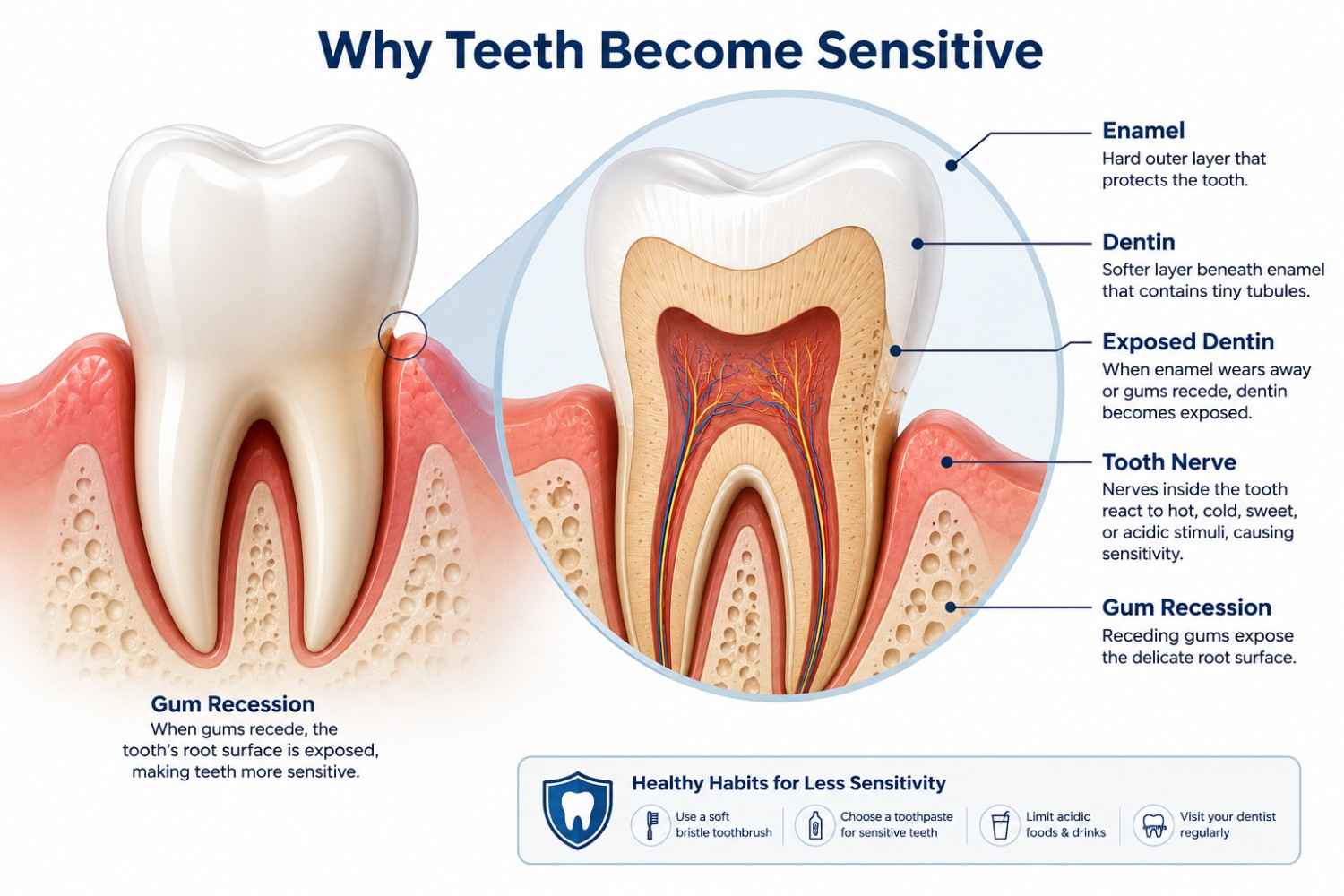
Understanding sensitivity makes it easier to choose the right toothpaste.
Tooth sensitivity happens when the protective enamel becomes thinner or when gums recede, exposing the dentin underneath. Tiny channels inside the dentin connect directly to the tooth’s nerve.
Cold drinks, hot coffee, sweet foods, or even brushing can stimulate these nerves, causing sudden pain.
Traditional whitening products may temporarily increase sensitivity because whitening agents penetrate the enamel.
Whitening toothpaste works differently.
Instead of bleaching the teeth significantly, most whitening toothpastes remove surface stains caused by:
- Coffee
- Tea
- Red wine
- Tobacco
- Colored foods
- Aging
This makes them a safer everyday option for many people with sensitive teeth.
How Whitening Toothpaste Actually Works
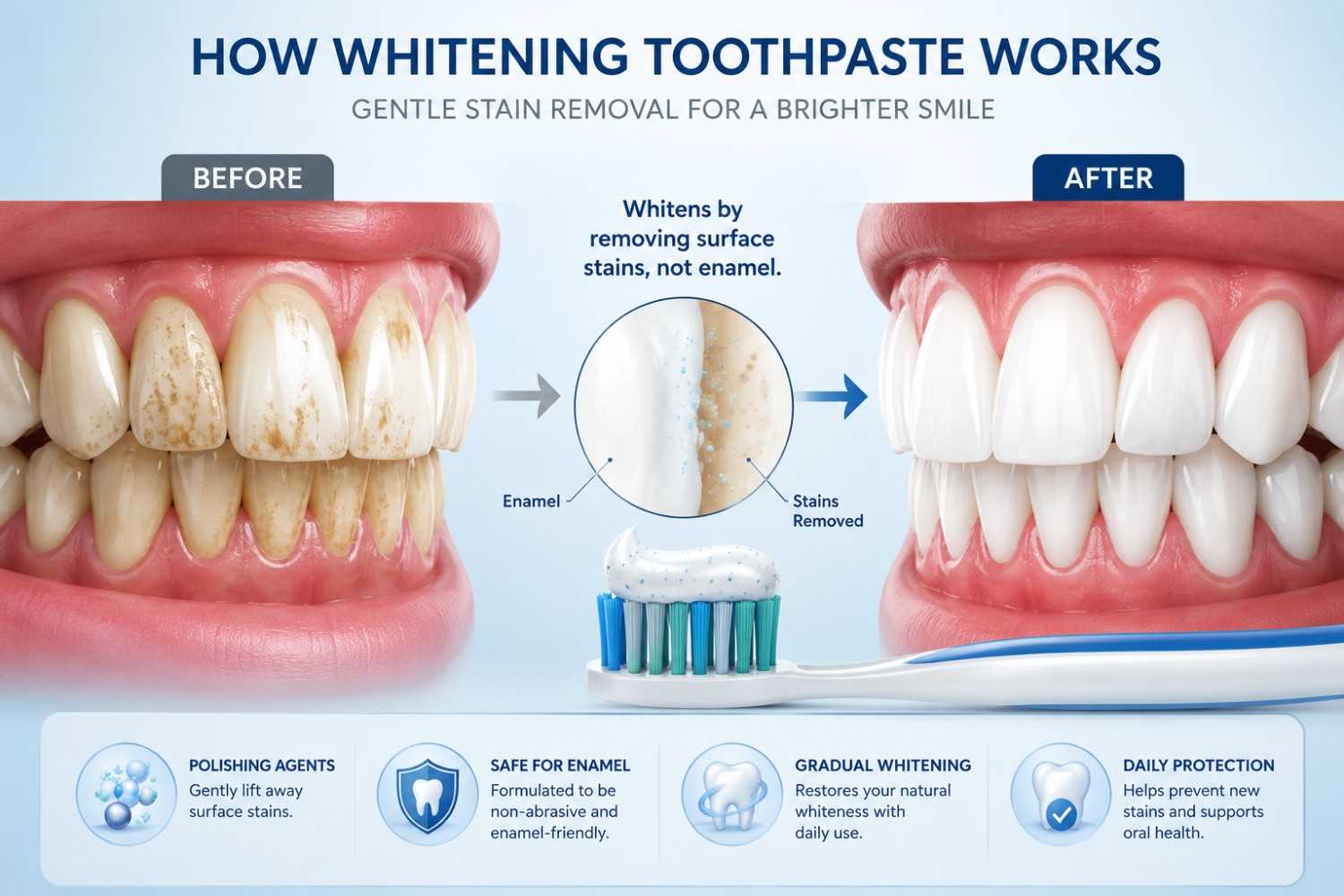
Many consumers expect toothpaste to whiten teeth several shades.
That’s not how most products work.
Instead, whitening toothpaste generally uses one or more of these approaches.
Gentle Abrasives
Mild polishing particles remove surface stains without damaging enamel when used correctly.
Common examples include:
- Hydrated silica
- Calcium carbonate
- Baking soda
The key is balance.
Too much abrasion may worsen sensitivity over time.
Chemical Stain Removal
Some formulas include ingredients that help break down surface discoloration before brushing removes it.
These ingredients can provide gradual improvements without harsh scrubbing.
Low-Level Whitening Agents
A few whitening toothpastes include small amounts of peroxide.
These concentrations are usually much lower than whitening strips or professional treatments, making them more suitable for people with mild sensitivity.
Ingredients to Look for When Buying the Best Whitening Toothpaste for Sensitive Teeth
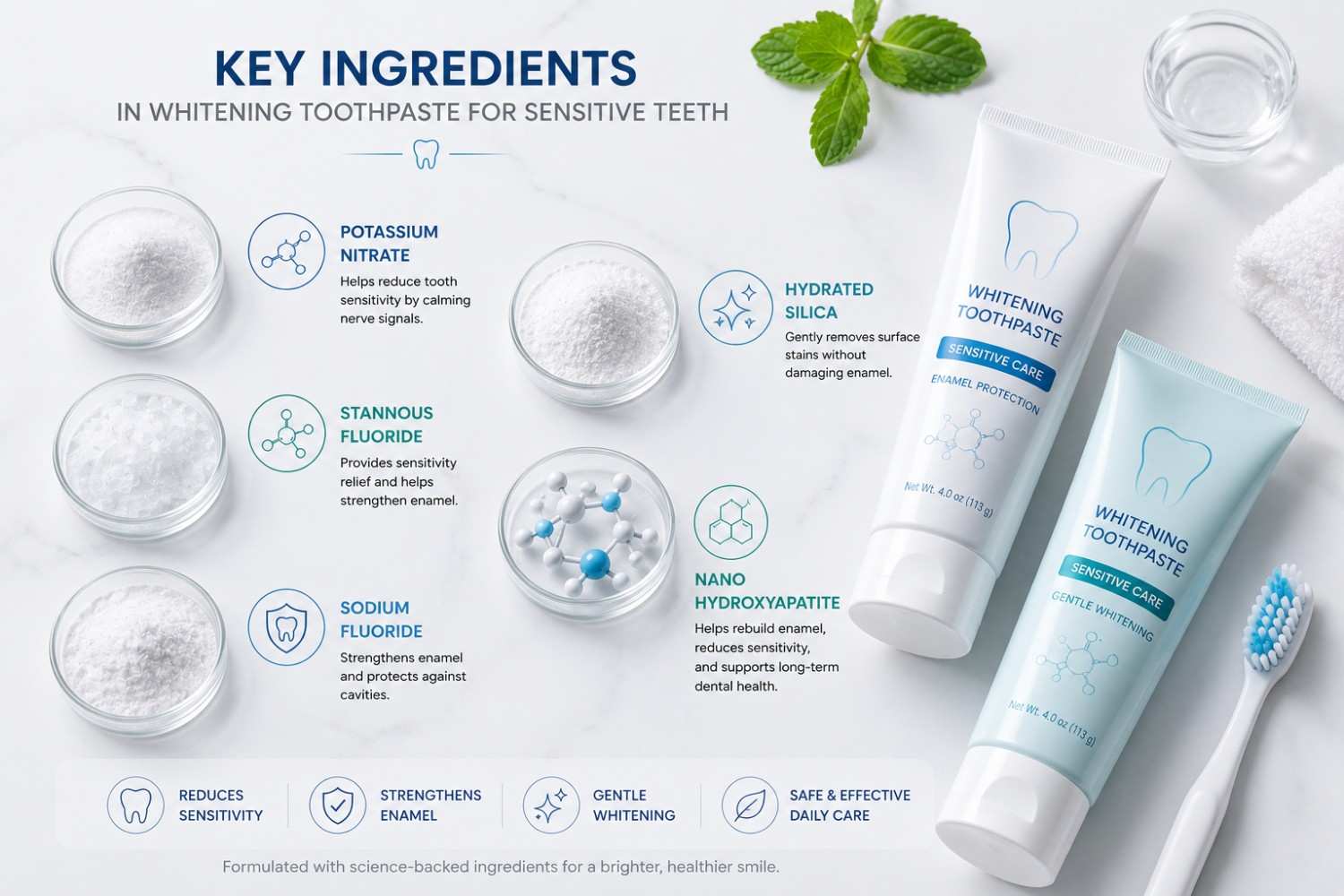
Choosing ingredients matters more than choosing a recognizable brand.
Here’s what dentists commonly recommend.
| Ingredient | Why It Matters |
| Potassium nitrate | Helps calm nerve signals that cause sensitivity |
| Stannous fluoride | Strengthens enamel while reducing sensitivity |
| Sodium fluoride | Protects against cavities and enamel erosion |
| Hydrated silica | Removes stains gently |
| Nano-hydroxyapatite | Helps rebuild weakened enamel surfaces |
| Xylitol | Supports oral health and reduces cavity risk |
These ingredients work together to improve both comfort and appearance.
When comparing products, the ingredient list often tells you more than marketing claims.
Ingredients to Avoid
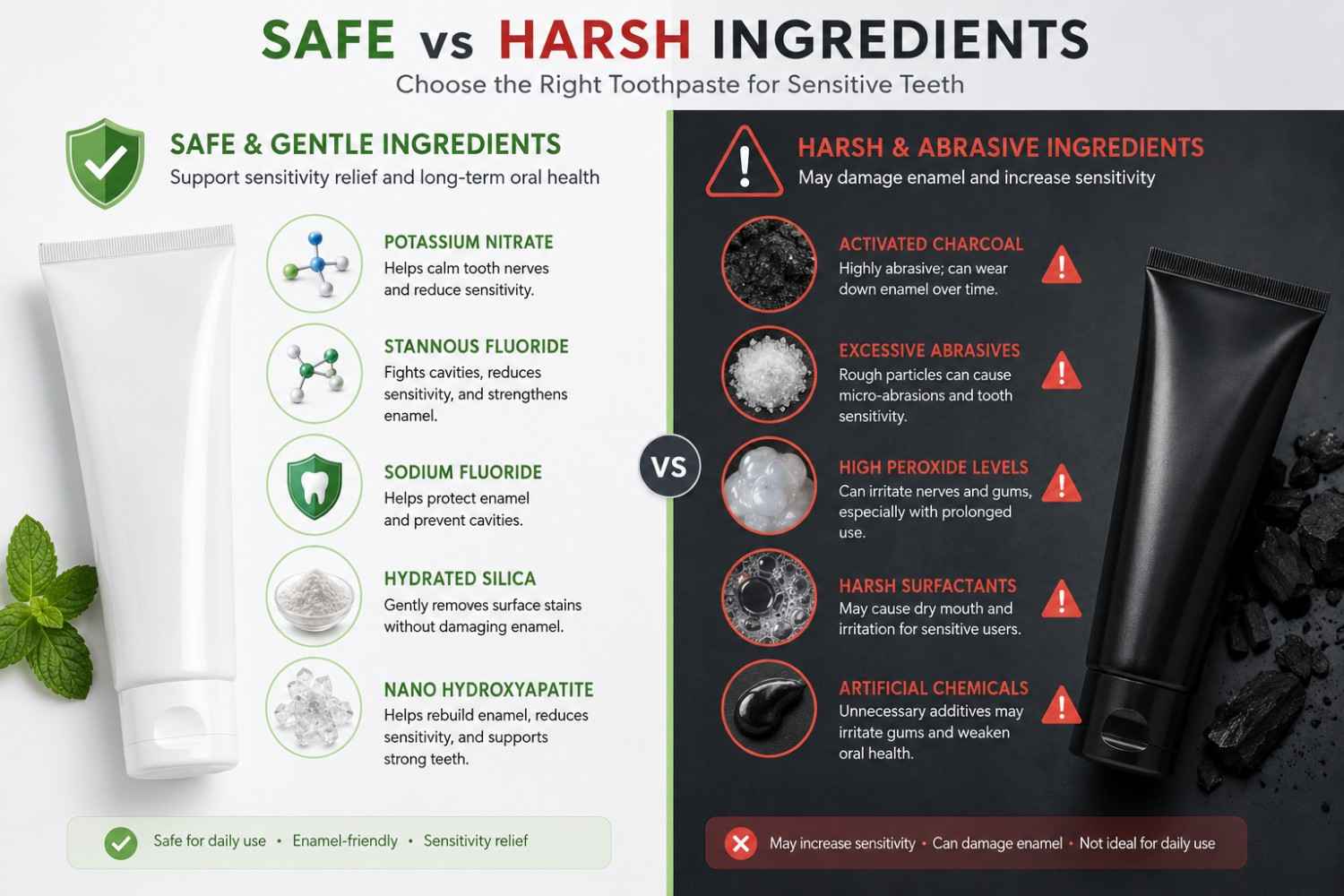
Some whitening products prioritize fast cosmetic results over long-term oral health.
If you have sensitive teeth, be cautious of:
- Highly abrasive charcoal formulas
- Excessive peroxide concentrations
- Unknown whitening blends
- Extremely abrasive polishing particles
- Products without fluoride
A toothpaste that’s too aggressive may remove stains initially but increase enamel wear over time.
How to Choose the Best Whitening Toothpaste for Sensitive Teeth
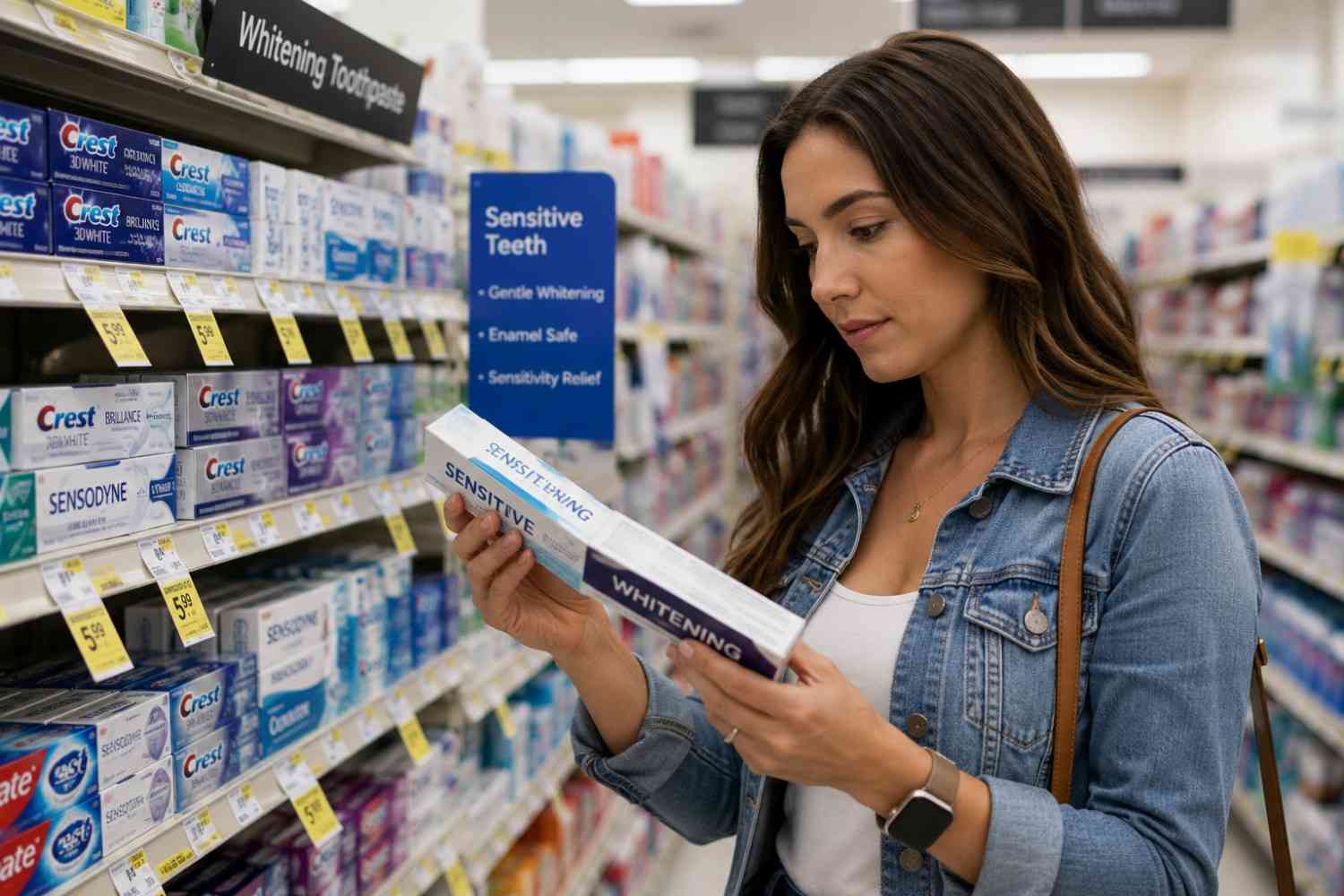
The best whitening toothpaste for sensitive teeth depends on your specific situation.
Consider these factors before buying.
Your Level of Sensitivity
Occasional discomfort requires a different approach than severe daily sensitivity.
If pain is frequent or intense, consult a dentist before using whitening products.
Your Main Source of Stains
Coffee drinkers often develop yellow surface stains.
Smokers may develop darker brown discoloration.
People who simply have naturally darker teeth may benefit more from professional whitening than toothpaste alone.
Your Dental History
Recent dental work, cracked teeth, untreated cavities, or gum disease should be evaluated before beginning any whitening routine.
Product Safety
Look for:
- ADA Seal of Acceptance
- Fluoride protection
- Clear ingredient labeling
- Manufacturer transparency
Common Types of Whitening Toothpaste
Different formulas are designed for different needs.
Daily Whitening Toothpaste
Best for maintaining a naturally bright smile.
Pros
- Safe for daily use
- Low sensitivity risk
- Affordable
Cons
- Slower whitening
Sensitive Whitening Toothpaste
Designed specifically for people who experience discomfort.
Pros
- Reduces pain
- Protects enamel
- Suitable for long-term use
Cons
Whitening may take several weeks
Baking Soda Formulas
Excellent for removing mild stains.
Pros
- Gentle cleaning
- Fresh feeling
Cons
- Limited whitening on deeper stains
Peroxide Whitening Toothpaste
Provides stronger whitening.
Pros
- Better stain removal
Cons
May increase sensitivity in some users
Practical Tips for Better Whitening Without More Pain
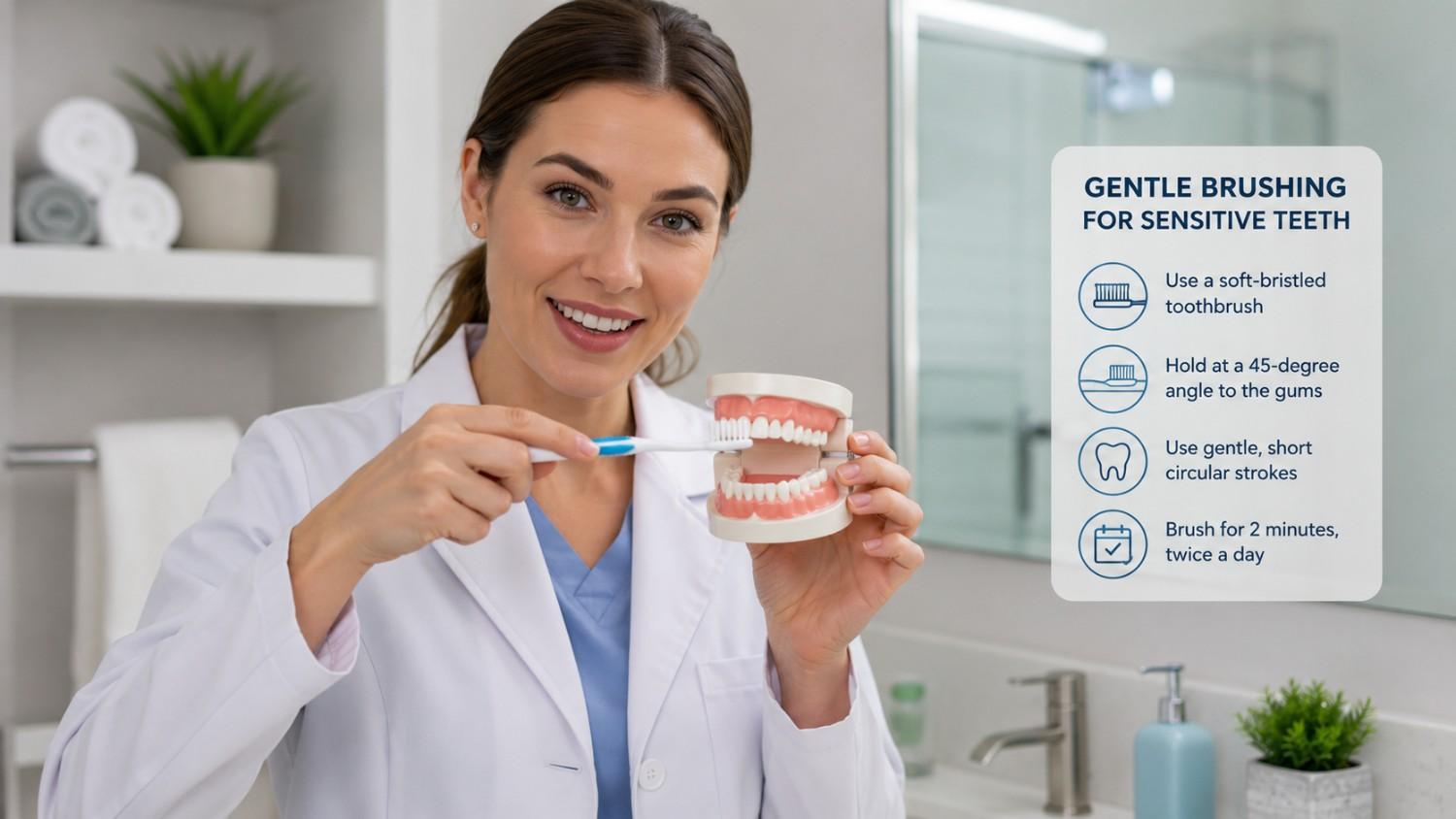
Using the right toothpaste is only part of the solution.
Follow these habits for better results.
Brush Gently
Use a soft-bristled toothbrush.
Avoid aggressive scrubbing.
Wait Before Brushing After Acidic Foods
Coffee, citrus, soda, and wine temporarily soften enamel.
Waiting about 30 minutes before brushing helps reduce enamel wear.
Limit Stain-Causing Drinks
Reduce:
- Coffee
- Black tea
- Cola
- Red wine
Using a straw with cold beverages can also reduce staining.
Don’t Skip Flossing
Surface stains aren’t the only issue.
Healthy gums improve the overall appearance of your smile.
Stay Consistent
The best whitening toothpaste for sensitive teeth delivers gradual improvements.
Daily use for several weeks generally provides the most noticeable results.
Common Mistakes That Make Sensitive Teeth Worse
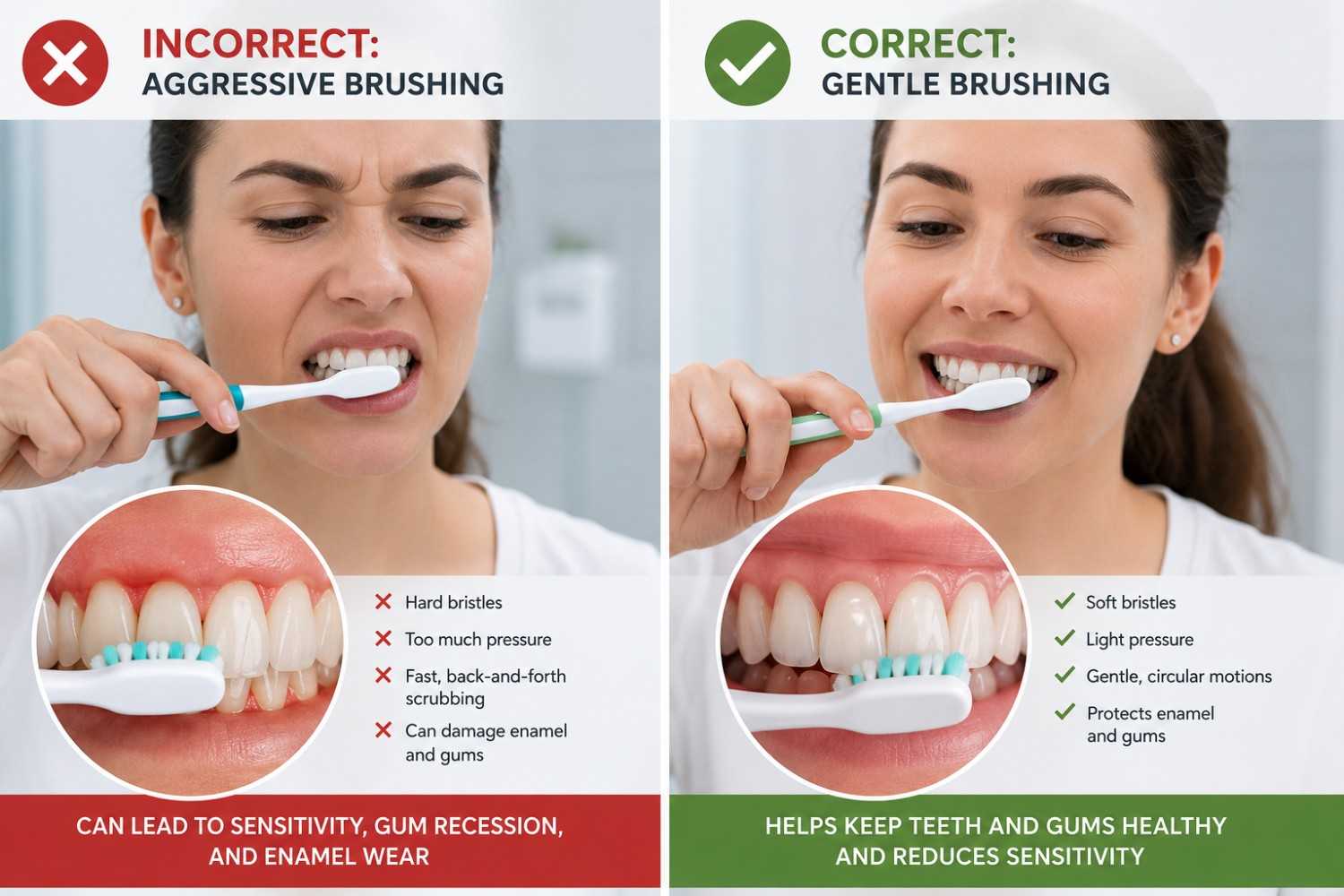
Many whitening disappointments happen because of avoidable mistakes.
Brushing Too Hard
More pressure doesn’t mean cleaner teeth.
Instead, it increases enamel wear.
Using Multiple Whitening Products Together
Combining whitening toothpaste, strips, gels, and mouthwash can overwhelm sensitive teeth.
Expecting Instant Results
Whitening toothpaste removes external stains.
Deep discoloration may require professional treatment.
Ignoring Tooth Pain
Persistent sensitivity may indicate:
- Cavities
- Cracked teeth
- Gum recession
- Enamel erosion
A dentist can identify the underlying cause.
Whitening Toothpaste vs. Professional Whitening
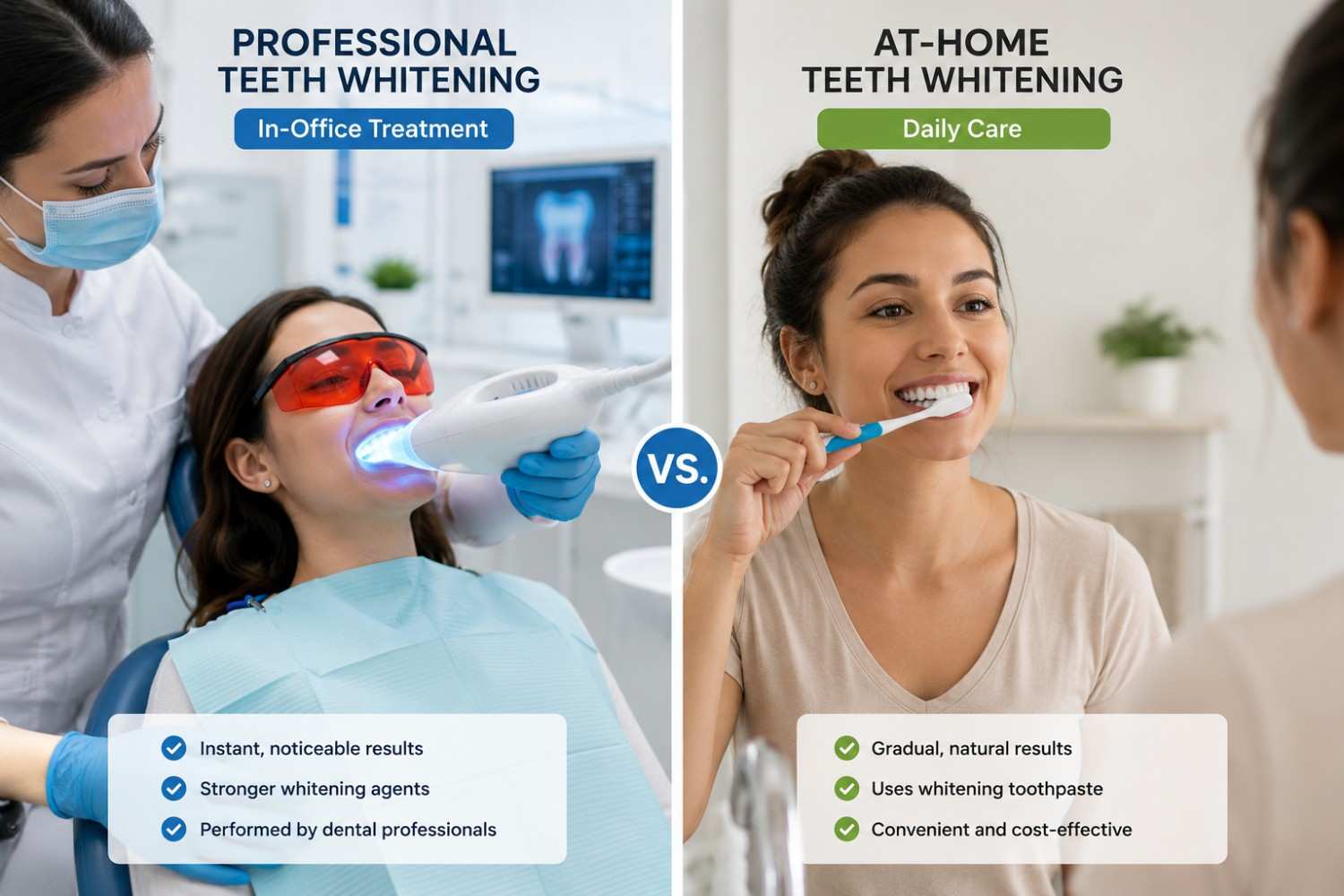
Many people wonder which option is better.
| Feature | Whitening Toothpaste | Professional Whitening |
| Removes surface stains | Yes | Yes |
| Changes natural tooth color | Limited | Significant |
| Cost | Low | Higher |
| Sensitivity risk | Usually lower | Higher temporarily |
| Daily maintenance | Excellent | Not intended for daily use |
For many adults in the USA, whitening toothpaste is the best first step before considering professional whitening.
Oral Care Tips Recommended by Dental Professionals
To maximize whitening while protecting sensitive teeth:
- Brush twice daily for two minutes.
- Replace your toothbrush every three to four months.
- Schedule regular dental cleanings.
- Drink water after coffee or tea.
- Avoid tobacco products.
- Wear a night guard if you grind your teeth.
- Follow your dentist’s recommendations for fluoride use.
These habits help maintain both a brighter smile and stronger enamel.
Special Considerations for People in the USA
Dental products sold in the United States should comply with Food and Drug Administration (FDA) regulations for over-the-counter oral care products where applicable, and many consumers also look for the ADA Seal of Acceptance as an added indicator of safety and effectiveness.
If you experience persistent tooth pain, bleeding gums, or severe sensitivity, consult a licensed dentist rather than relying solely on over-the-counter whitening products.
Routine preventive dental visits can identify issues that whitening toothpaste cannot address.
Is Whitening Toothpaste Safe for Sensitive Teeth?
Yes, when chosen carefully.
The best whitening toothpaste for sensitive teeth is formulated to clean gently while protecting enamel.
Most people can safely use these products every day as directed.
However, discontinue use and seek dental advice if sensitivity becomes severe or lasts for an extended period.

Frequently Asked Questions
What is the best whitening toothpaste for sensitive teeth?
The best whitening toothpaste for sensitive teeth combines whitening ingredients with sensitivity relief, including potassium nitrate or stannous fluoride, while using gentle abrasives that minimize enamel wear.
How long does whitening toothpaste take to work?
Most people notice gradual stain reduction within two to six weeks of consistent twice-daily brushing, depending on the severity of staining and individual habits.
Can whitening toothpaste damage enamel?
When used as directed, reputable whitening toothpastes are generally safe for enamel. Choosing products with fluoride and moderate abrasiveness helps reduce the risk of enamel wear.
Is whitening toothpaste better than whitening strips?
Whitening toothpaste is typically better for maintaining a bright smile and removing surface stains. Whitening strips often produce more dramatic whitening but may cause more temporary sensitivity.
Should people with severe sensitivity use whitening toothpaste?
If sensitivity is severe or persistent, it’s best to consult a dentist before starting any whitening product. Underlying dental issues may need treatment first.
Final Thoughts
Finding the best whitening toothpaste for sensitive teeth doesn’t have to be overwhelming.
Instead of chasing dramatic marketing claims, focus on products with proven ingredients that protect enamel, reduce sensitivity, and gently remove everyday stains. Consistent brushing, good oral hygiene, and realistic expectations are the foundation of a healthier, brighter smile.
For many people, the best whitening toothpaste for sensitive teeth offers an effective balance between cosmetic improvement and long-term oral health. If your discoloration is deep or your sensitivity continues despite changing products, schedule an evaluation with your dentist to discuss personalized treatment options.
A brighter smile is a long-term investment. Choose products backed by science, maintain healthy habits, and prioritize your dental health over quick fixes.
Read More: Best Whitening Strips for Sensitive Teeth