
Table of Contents
Introduction to Best Bread For Weight Loss
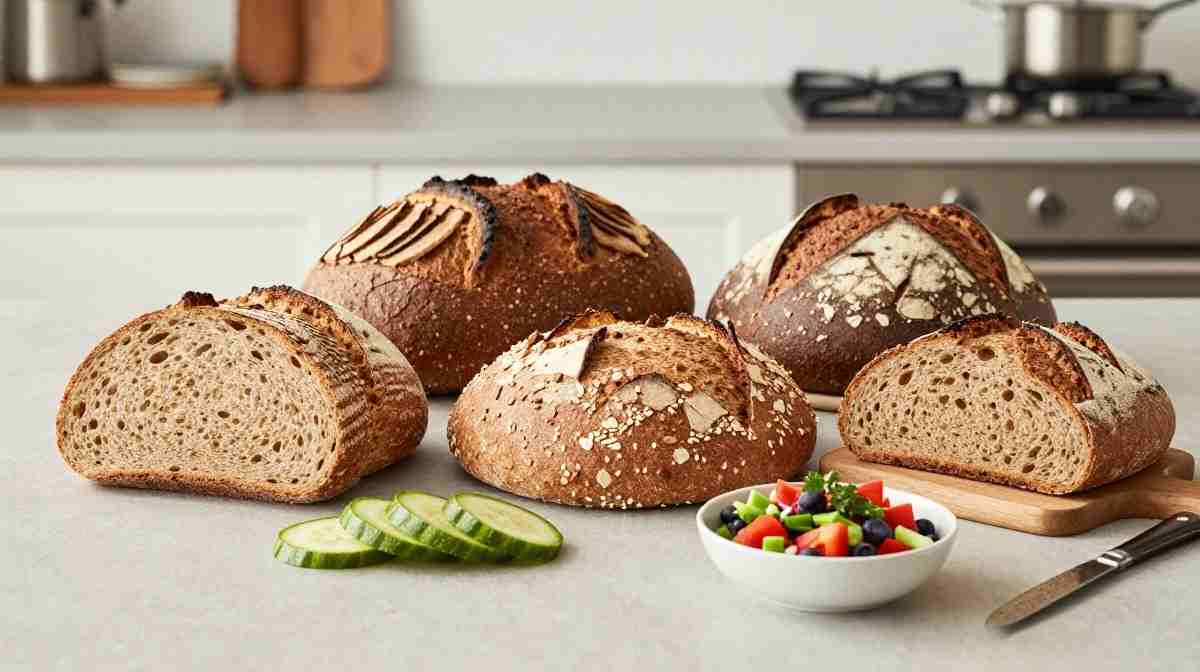
If bread has a regular place on your breakfast table, you do not necessarily need to give it up to manage your weight. The bigger question is which loaf gives you useful nutrition without making it easy to overeat. The best bread for weight loss is usually one that combines whole grains or other nutrient-dense ingredients with enough fiber and protein to help you feel satisfied.
This guide explains what to look for on a U.S. Nutrition Facts label, which bread styles are worth considering, how portions affect your calorie intake, and which common marketing claims deserve a closer look. You will also see practical examples for toast, sandwiches, breakfast, and snacks.
What Makes Bread a Good Choice for Weight Loss?
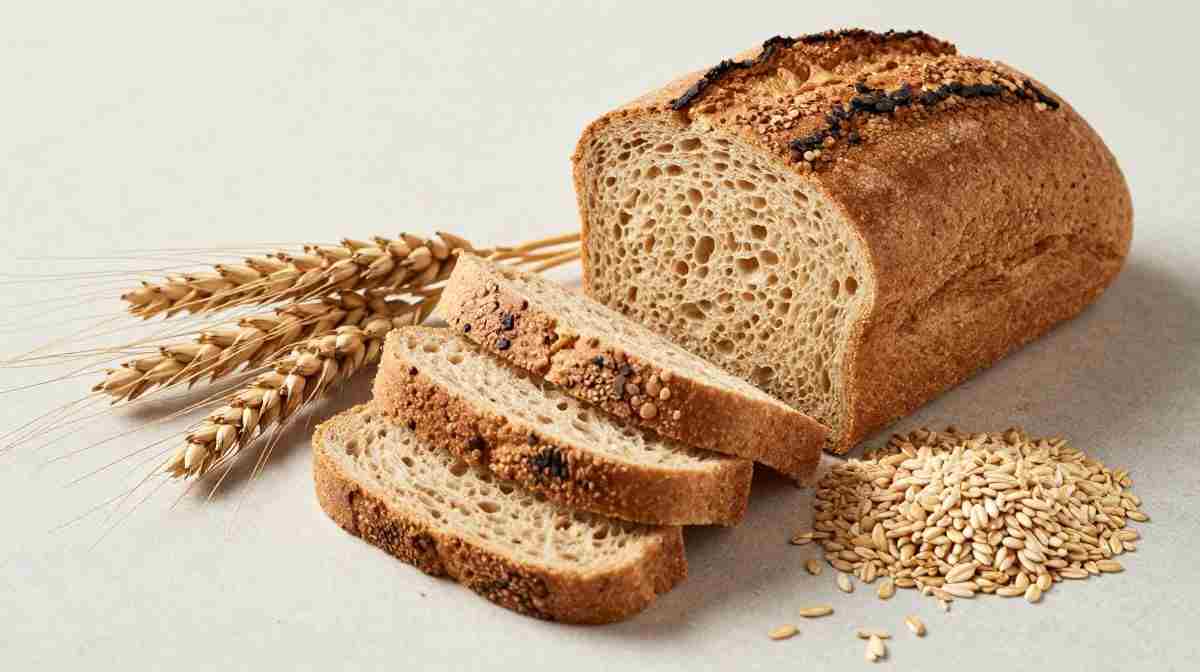
A weight-friendly bread does not need to be extremely low in calories. What matters is the overall nutrition package and how well it fits your meals.
For most adults, useful features include:
- Whole grains: Look for whole wheat, whole rye, oats, or another whole grain near the beginning of the ingredient list.
- Fiber: Fiber can add bulk and help a meal feel more satisfying. Check the Nutrition Facts panel rather than relying on words such as “multigrain.”
- Protein: A little extra protein can make bread more useful as part of a filling breakfast or sandwich.
- Reasonable calories: Two slices can vary substantially between products, so compare the serving size.
- A manageable ingredient list: A long ingredient list is not automatically bad, but simpler formulations can make comparison easier.
The best bread for weight loss should also taste good enough that you will actually eat it. A nutritionally impressive loaf that sits untouched in your freezer is not a practical choice.
Why Fiber Matters
Fiber is one of the most useful features to prioritize. It can support digestive health and may help you stay satisfied between meals.
In the U.S., the Nutrition Facts label lists dietary fiber in grams per serving. When comparing two similar loaves, choosing the one with more fiber can be a simple way to improve the nutritional quality of your sandwich or toast.
Still, fiber is not a magic weight-loss ingredient. Your total calorie intake, food choices, activity, sleep, and eating habits matter far more than one ingredient.
5 Types of Bread Worth Considering
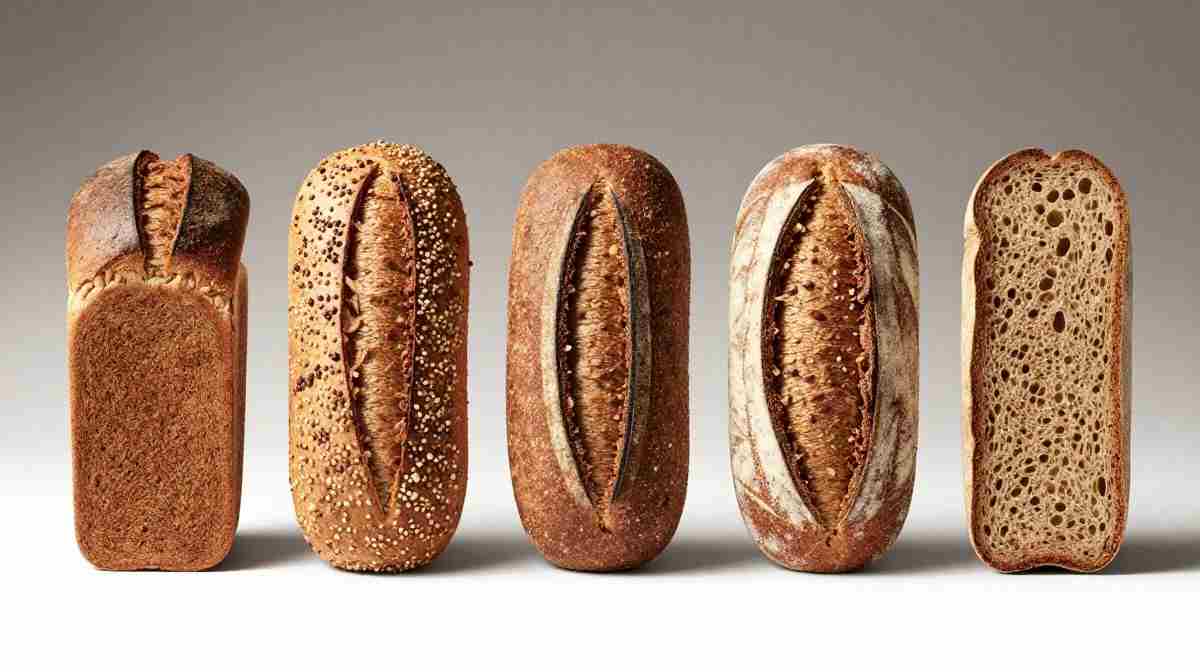
There is no single loaf that wins for everyone. Your choice should depend on taste, budget, availability, and how you use bread.
1. 100% Whole-Wheat Bread
For many shoppers, 100% whole-wheat bread is the easiest starting point. Whole grains retain the bran, germ, and endosperm, providing more of the grain’s natural nutrients than refined grains.
Check the ingredient list for “whole wheat” rather than assuming a dark color means the bread is whole grain. Some breads are brown because of added ingredients rather than because they contain substantial whole grains.
For many households, the best bread for weight loss may simply be a whole-wheat loaf that provides good fiber and works with everyday meals.
Best for: Everyday toast, sandwiches, and packed lunches.
Shopping tip: Look for a whole-grain ingredient as a prominent ingredient and compare fiber and calories per serving.
2. Sprouted-Grain Bread
Sprouted-grain breads are made with grains that have begun to germinate before processing. Depending on the product, they may contain a mixture of wheat and other grains or legumes.
They can be a useful option if you enjoy a denser texture and want a bread with a varied grain profile. However, “sprouted” does not automatically mean lower in calories.
Best for: Toast topped with eggs, cottage cheese, avocado, or vegetables.
3. Rye Bread
Rye bread can be a flavorful alternative to standard wheat bread. Rye products vary considerably, so read the label instead of judging the loaf by its name alone.
A whole-grain rye option can provide fiber while adding a hearty flavor that works especially well with lean proteins and vegetables.
Best for: Open-faced sandwiches, deli-style lunches, and savory breakfasts.
4. Sourdough Bread
Sourdough is fermented with a starter containing wild yeasts and bacteria. Its fermentation process gives the bread its distinctive tang and texture.
Sourdough is not automatically a weight-loss food, though. Some loaves are made primarily from refined flour and can be similar in calories to other breads.
Best for: People who prefer the flavor and texture and can pair it with a balanced topping.
5. High-Fiber or Lower-Calorie Bread
Some U.S. brands formulate bread with added fibers or other ingredients to increase fiber while keeping calories relatively modest. These can be convenient when you enjoy having two slices in a sandwich.
The trade-off is that texture, taste, and ingredient lists vary widely. Some products may also contain sugar alcohols or fibers that cause digestive discomfort in sensitive people.
Best for: Sandwiches when you want more volume without dramatically increasing calories.
How to Choose the Best Loaf at a U.S. Grocery Store
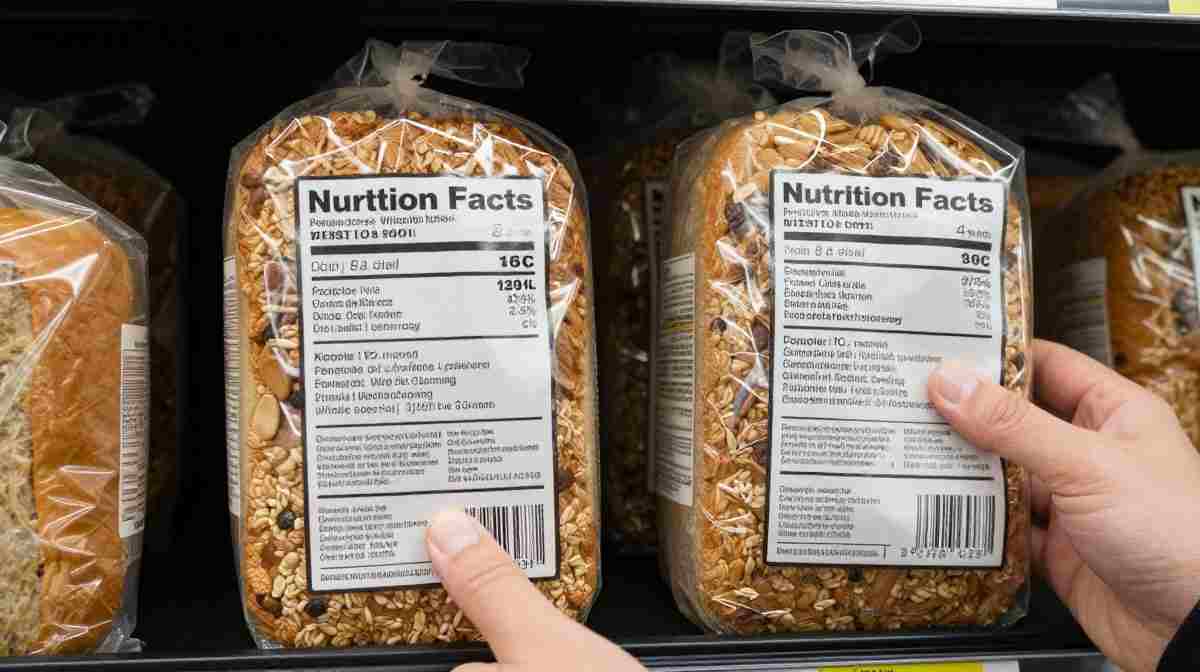
The best bread for weight loss becomes easier to identify when you stop relying on front-of-package claims and use the Nutrition Facts label.
Try this five-step check:
1. Start with the serving size.
A serving may be one slice, two slices, or another amount. Compare products using the same number of slices.
2. Check calories.
Calories are only one factor, but they matter if bread is a frequent part of your diet.
3. Look at dietary fiber.
More fiber can make a bread more filling, especially when it replaces a lower-fiber refined-grain product.
4. Read the ingredient list.
For whole-grain bread, look for whole-grain ingredients rather than assuming “wheat bread” means whole wheat.
5. Consider sodium and added sugar.
Bread can contribute meaningful amounts of both. You do not need a sugar-free or ultra-low-sodium loaf unless your broader diet or a medical recommendation makes that useful.
A practical comparison might look like this:
| Bread style | What to prioritize | Good use |
| 100% whole wheat | Whole wheat + fiber | Daily sandwiches |
| Sprouted grain | Whole grains + acceptable calories | Breakfast toast |
| Whole rye | Whole rye + fiber | Open-faced sandwiches |
| Sourdough | Whole-grain flour when possible | Toast and lunch |
| High-fiber bread | Fiber + tolerable ingredients | Higher-volume sandwiches |
When comparing several supermarket loaves, the best bread for weight loss is the one that fits both your nutritional needs and your normal eating habits.
Portion Size Still Matters
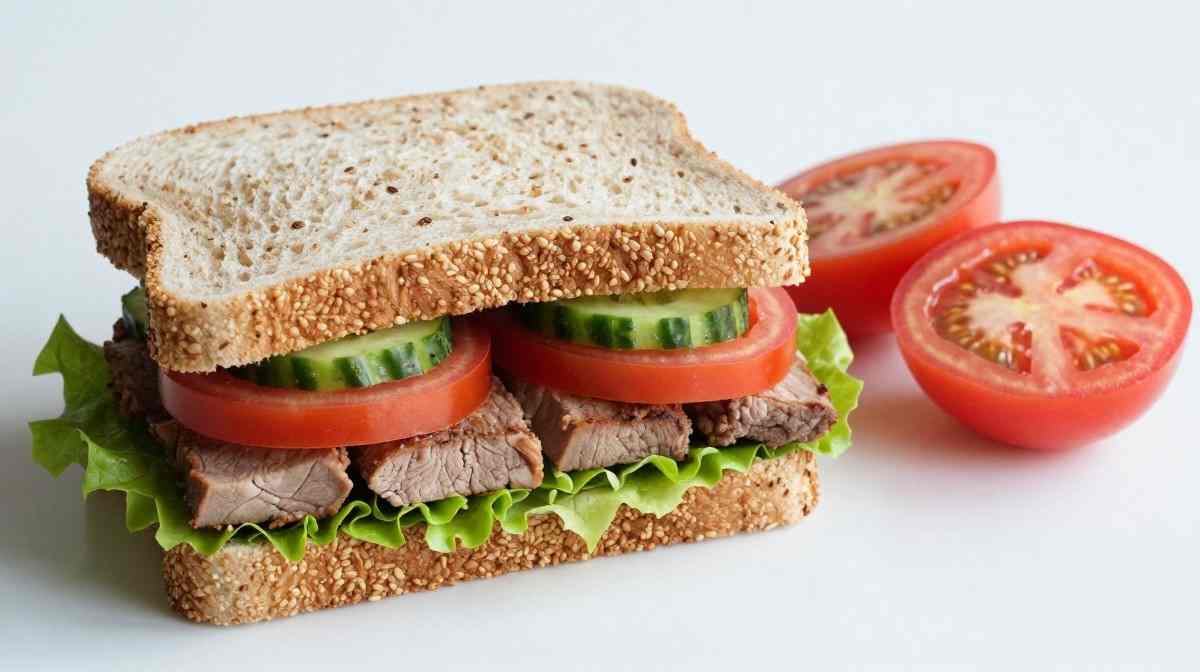
Even the best bread for weight loss can contribute more calories than you intend if portions grow without you noticing.
A sandwich made with two slices may be perfectly reasonable. Four thick slices, generous cheese, mayonnaise, and a calorie-dense spread create a very different meal.
Instead of treating bread as the problem, look at the complete meal.
For example:
Less filling:
Two slices of refined bread + processed meat + mayonnaise + chips.
More balanced:
Two slices of whole-grain bread + grilled chicken or tuna + lettuce and tomato + mustard + fruit.
The second meal is not automatically “better” in every situation, but it generally gives you more protein, produce, and fiber for a similar eating occasion.
A Simple Portion Strategy
If you are trying to reduce calories, start with the amount of bread you normally eat and ask:
- Am I genuinely hungry afterward?
- Is the filling providing enough protein?
- Can vegetables or fruit add volume?
- Would one slice work for an open-faced sandwich?
- Am I eating bread because I enjoy it or simply because it is available?
This approach is more sustainable than banning bread.
Common Bread-Buying Mistakes
Mistake 1: Choosing Bread Because It Says “Multigrain”
“Multigrain” only means the product contains multiple grains. Those grains may still be refined.
Better approach: Read the ingredient list and look for whole-grain ingredients.
Mistake 2: Assuming “Gluten-Free” Means Healthier
Gluten-free bread is essential for people with celiac disease and may be appropriate for other medical reasons. But for someone without a gluten-related condition, gluten-free does not automatically mean lower calorie, higher fiber, or better for weight management.
Mistake 3: Treating “Keto” as a Synonym for Healthy
Low-carbohydrate bread can be useful for people following a specific eating pattern, but “keto” is not a guarantee of superior nutrition. Some products are highly processed or contain ingredients that do not suit everyone.
Mistake 4: Ignoring the Toppings
Bread rarely exists alone. Butter, cheese, creamy spreads, sugary jams, and large portions of nut butter can add substantially more calories than the bread itself.
Mistake 5: Chasing the Lowest Calorie Number
A very low-calorie slice is not automatically the best bread for weight loss if it leaves you hungry or does not work well with your meals. Satisfaction matters because sustainable eating habits are easier to maintain.
How to Build a Weight-Friendly Bread Meal
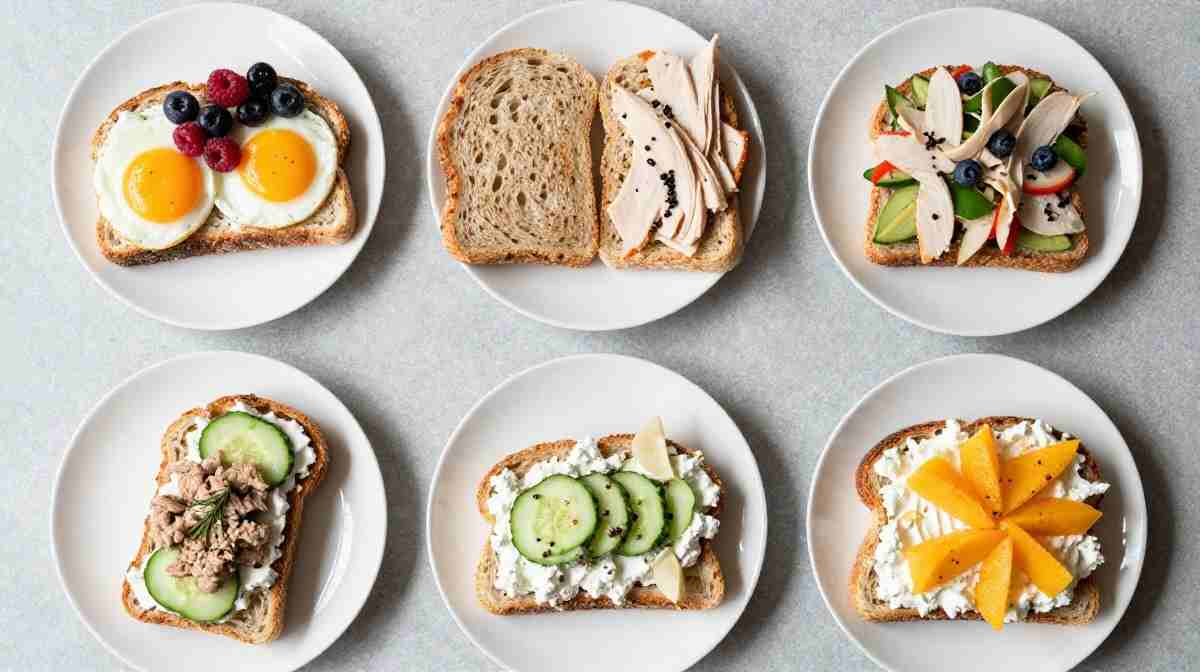
The easiest way to make bread work in a balanced diet is to pair it with protein, produce, and a sensible amount of fat.
Try combinations such as:
- Whole-grain toast + eggs + berries
- Rye bread + turkey + tomato + leafy greens
- Sourdough + tuna + cucumber + a light spread
- Sprouted-grain toast + cottage cheese + sliced fruit
- Whole-wheat bread + peanut butter + banana
For breakfast, bread can be part of a meal rather than the entire meal. Adding eggs, Greek yogurt, fruit, or another protein-rich food can make the meal more substantial.
For lunch, load a sandwich with vegetables and a lean protein source. If you are still hungry, adding fruit or a vegetable side may be more satisfying than simply adding another slice of bread.
If you are looking for the best bread for weight loss, think beyond the loaf itself. The foods you put between the slices can have a major effect on the overall nutritional value of the meal.
What About White Bread?
You do not need to label white bread as “forbidden.” It can fit into a healthy diet, particularly when portions are appropriate and the rest of the meal is nutritious.
However, if your goal is to increase fiber and make meals more filling, whole-grain bread is usually a more useful default.
The key is not to create a perfect-food-versus-bad-food mindset. A sustainable diet leaves room for foods you enjoy while making nutrient-dense choices most of the time.
FAQ
What is the best bread for weight loss?
For many people, a 100% whole-wheat or other whole-grain bread with a useful amount of fiber is a strong everyday choice. Compare calories, fiber, serving size, and ingredients.
Is sourdough bread good for losing belly fat?
Sourdough can fit into a weight-management diet, but no bread specifically targets belly fat. Fat loss occurs through overall energy balance and is influenced by genetics, activity, sleep, and dietary habits.
How many slices of bread should I eat per day to lose weight?
There is no universal number. Your needs depend on total calorie intake, activity, hunger, and the rest of your diet. Two slices can easily fit into a balanced meal for many people.
Is whole wheat better than white bread for weight loss?
Whole-wheat bread is often the more nutrient-dense option because it can provide more fiber and whole-grain nutrition. But total diet quality and portion size still matter.
Can I eat bread every day and still lose weight?
Yes. Bread can be eaten daily while losing weight if your overall food intake supports your goals. Focus on portions, filling toppings, fiber-rich foods, and a sustainable eating pattern.
Final Takeaway
Choosing the best bread for weight loss is less about finding a magical loaf and more about making a smart comparison. Start with whole-grain ingredients, check fiber and calories, pay attention to serving size, and choose a bread you genuinely enjoy.
Then build the meal around it. Pair bread with protein, vegetables or fruit, and sensible portions of calorie-dense toppings. That gives you a practical eating pattern you can maintain instead of a short-term rule you eventually abandon.
If you are shopping in the USA, take a minute to compare the Nutrition Facts panels on two or three loaves. The small differences in fiber, calories, ingredients, and serving size can make your choice much clearer.
Read More: Best Alcohol for Weight Loss: 7 Lower-Calorie Choices That Fit Your Goals