
Table of Contents
A brighter smile shouldn’t come with sharp tooth pain. Yet, for many people, tooth sensitivity is the biggest obstacle to whitening at home. If you’ve tried whitening products before and experienced discomfort, you’re not alone.
The good news is that today’s best whitening strips for sensitive teeth are designed differently than older formulas. Many use lower peroxide concentrations, enamel-friendly ingredients, and shorter treatment times to minimize irritation while still removing common stains.
This guide explains how whitening strips work, what causes sensitivity, which ingredients matter most, how to choose the right product, and how to whiten your teeth safely. By the end, you’ll know exactly what to look for before buying your next whitening kit.
What Are the Best Whitening Strips for Sensitive Teeth?
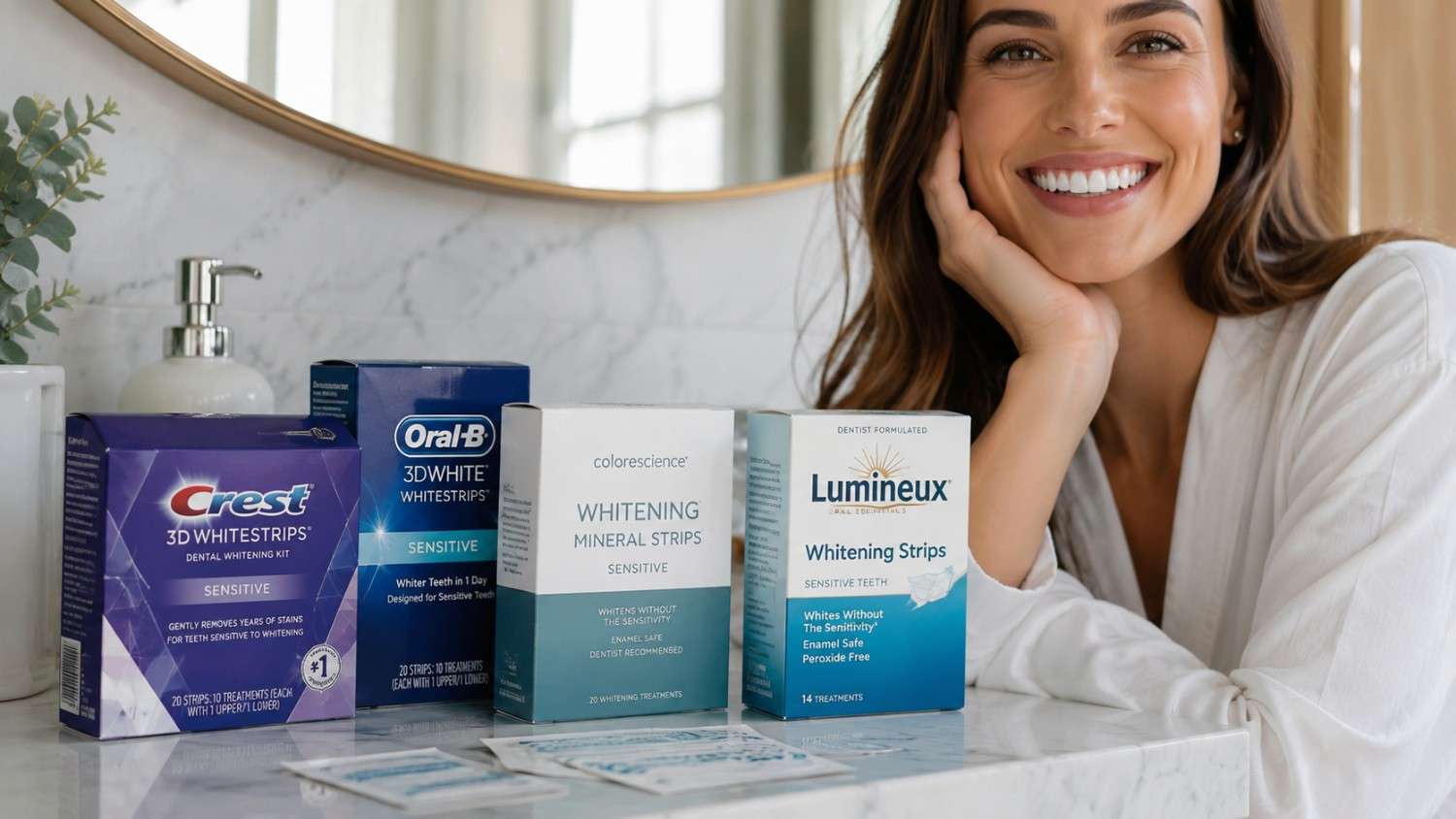
The best whitening strips for sensitive teeth use gentle whitening agents, lower peroxide levels, comfortable adhesive technology, and enamel-safe formulas that gradually remove stains while reducing the risk of sensitivity.
Look for products that offer:
- Low to moderate hydrogen peroxide concentration
- Enamel-safe whitening ingredients
- Short daily wear times
- Dentist-tested formulations
- Clear instructions for sensitive teeth users
If you already experience sensitivity from cold drinks or brushing, choosing a product specifically made for sensitive teeth can significantly improve your whitening experience.
Why Teeth Become Sensitive During Whitening
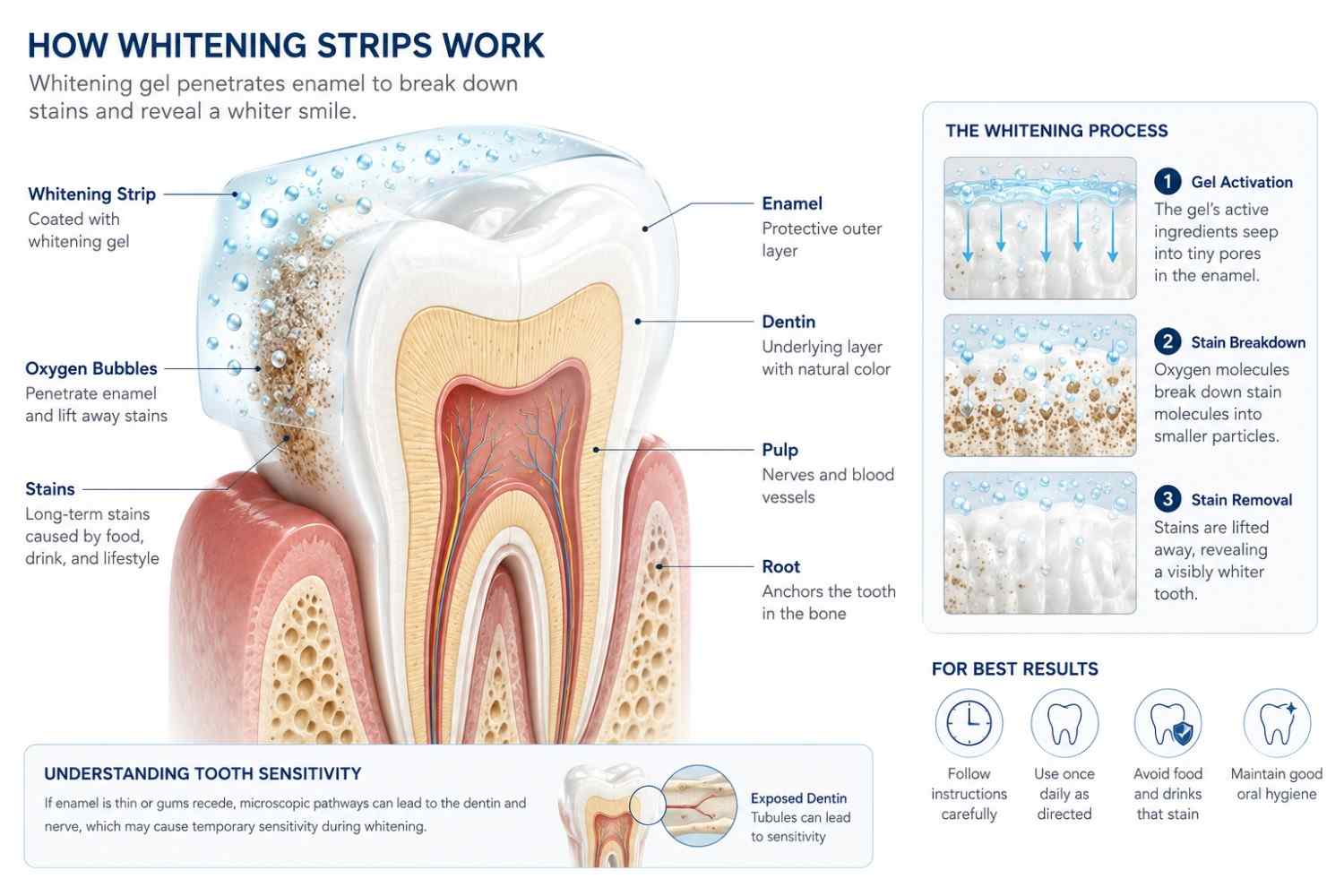
Understanding why sensitivity happens helps you avoid unnecessary discomfort.
Whitening strips typically contain hydrogen peroxide or carbamide peroxide. These ingredients penetrate enamel and break apart stain molecules beneath the tooth surface.
During this process, oxygen travels through microscopic pores in the enamel. Temporary irritation may reach the tooth’s nerve, creating brief sensitivity.
Common reasons include:
- Thin enamel
- Existing tooth sensitivity
- Worn enamel from acidic foods
- Gum recession
- Using whitening products too often
- Leaving strips on longer than instructed
Fortunately, modern versions of the best whitening strips for sensitive teeth are specifically designed to reduce this reaction.
How Whitening Strips Work
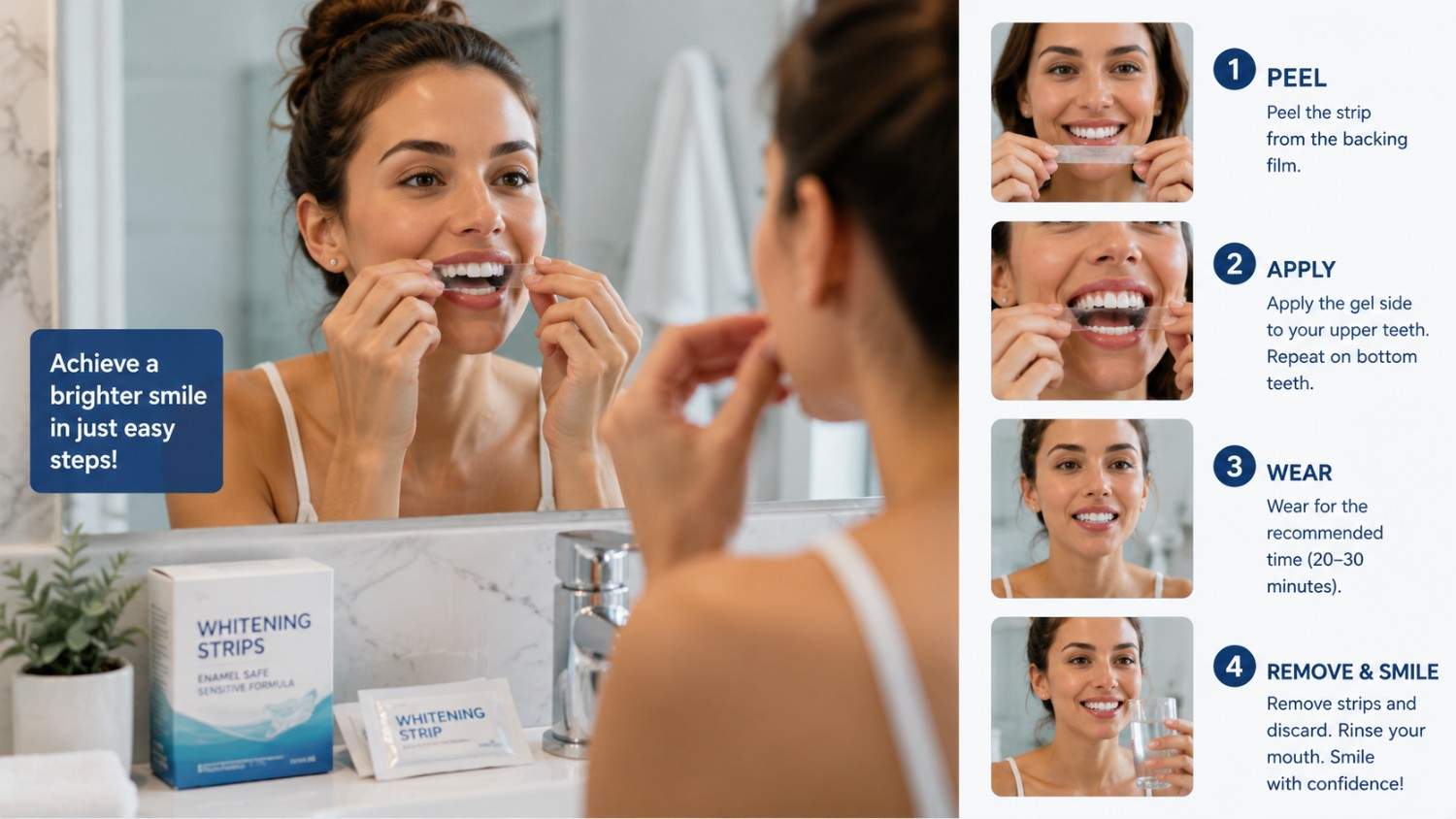
Whitening strips are thin, flexible plastic strips coated with a whitening gel.
After applying them to clean teeth, the peroxide slowly breaks down stains caused by:
- Coffee
- Tea
- Red wine
- Tobacco
- Soda
- Certain foods
- Natural aging
Most treatments last:
| Treatment Type | Typical Wear Time |
| Gentle formulas | 15–30 minutes |
| Standard formulas | 30–60 minutes |
| Intensive treatments | Up to 60 minutes |
Results usually appear after several days and continue improving throughout the treatment period.
What Makes Whitening Strips Better for Sensitive Teeth?
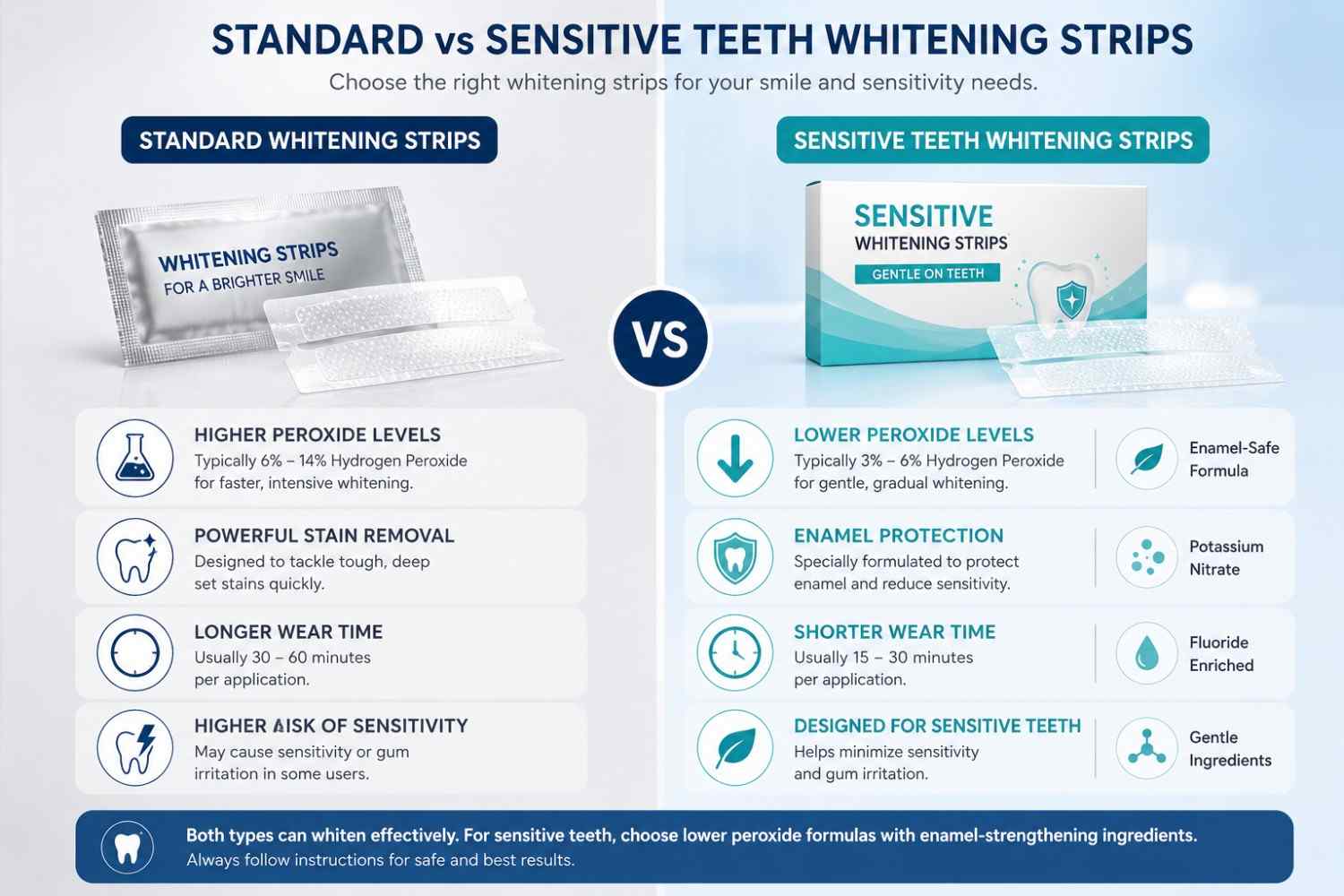
Not all whitening strips are created equal.
The best whitening strips for sensitive teeth usually include several features that help reduce discomfort.
Lower Peroxide Levels
Higher peroxide concentrations often produce faster whitening but increase the chance of sensitivity.
Gentler products use lower concentrations that whiten more gradually.
Enamel-Friendly Ingredients
Look for formulas containing ingredients such as:
- Potassium nitrate
- Fluoride
- Nano-hydroxyapatite
- Calcium-based minerals
These ingredients help strengthen enamel or reduce nerve sensitivity.
Flexible Strip Design
Better adhesion means the gel stays on your teeth rather than spreading onto your gums.
This reduces gum irritation.
Shorter Treatment Sessions
Many sensitive formulas require only 20–30 minutes per day.
This lowers peroxide exposure while still delivering noticeable results.
How to Choose the Best Whitening Strips for Sensitive Teeth
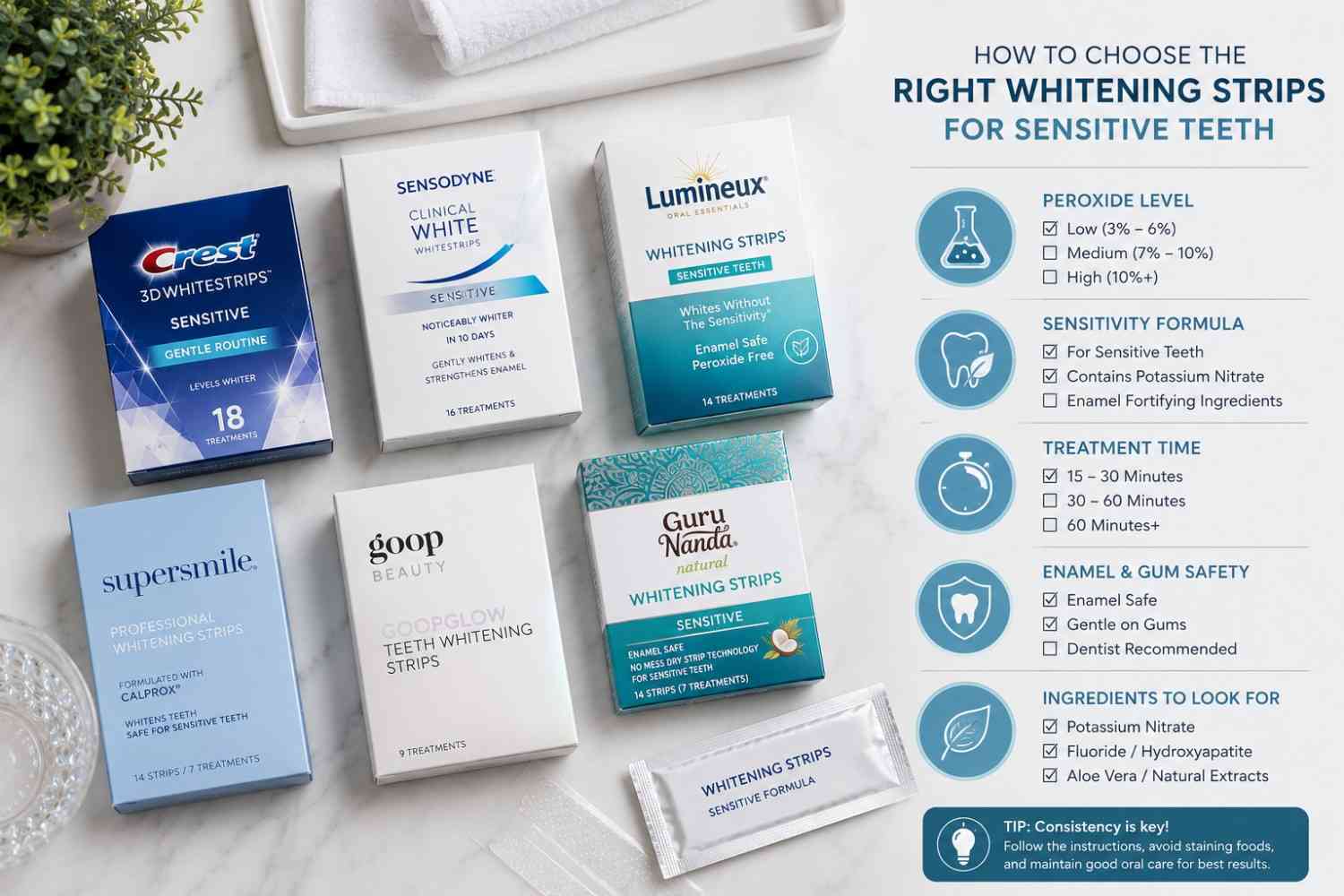
Choosing the right product involves more than comparing prices.
Consider these factors.
1. Check the Active Ingredient
Most whitening strips use:
- Hydrogen peroxide
- Carbamide peroxide
Both are effective.
Hydrogen peroxide usually works faster.
Carbamide peroxide releases more slowly and may feel gentler for some users.
2. Consider Your Level of Sensitivity
If your teeth already hurt when drinking cold water, choose products specifically labeled for sensitive teeth.
Avoid maximum-strength whitening formulas.
3. Look for ADA or Dentist Recommendations
Products reviewed by dental professionals generally provide more reliable safety information.
4. Read Ingredient Lists Carefully
Avoid products containing unnecessary abrasive ingredients.
Whitening should come from peroxide—not harsh scrubbing agents.
5. Think About Treatment Length
If you’re preparing for an event next week, you may prefer faster results.
If sensitivity is your biggest concern, gradual whitening often produces a better overall experience.
Ingredients That Help Reduce Sensitivity
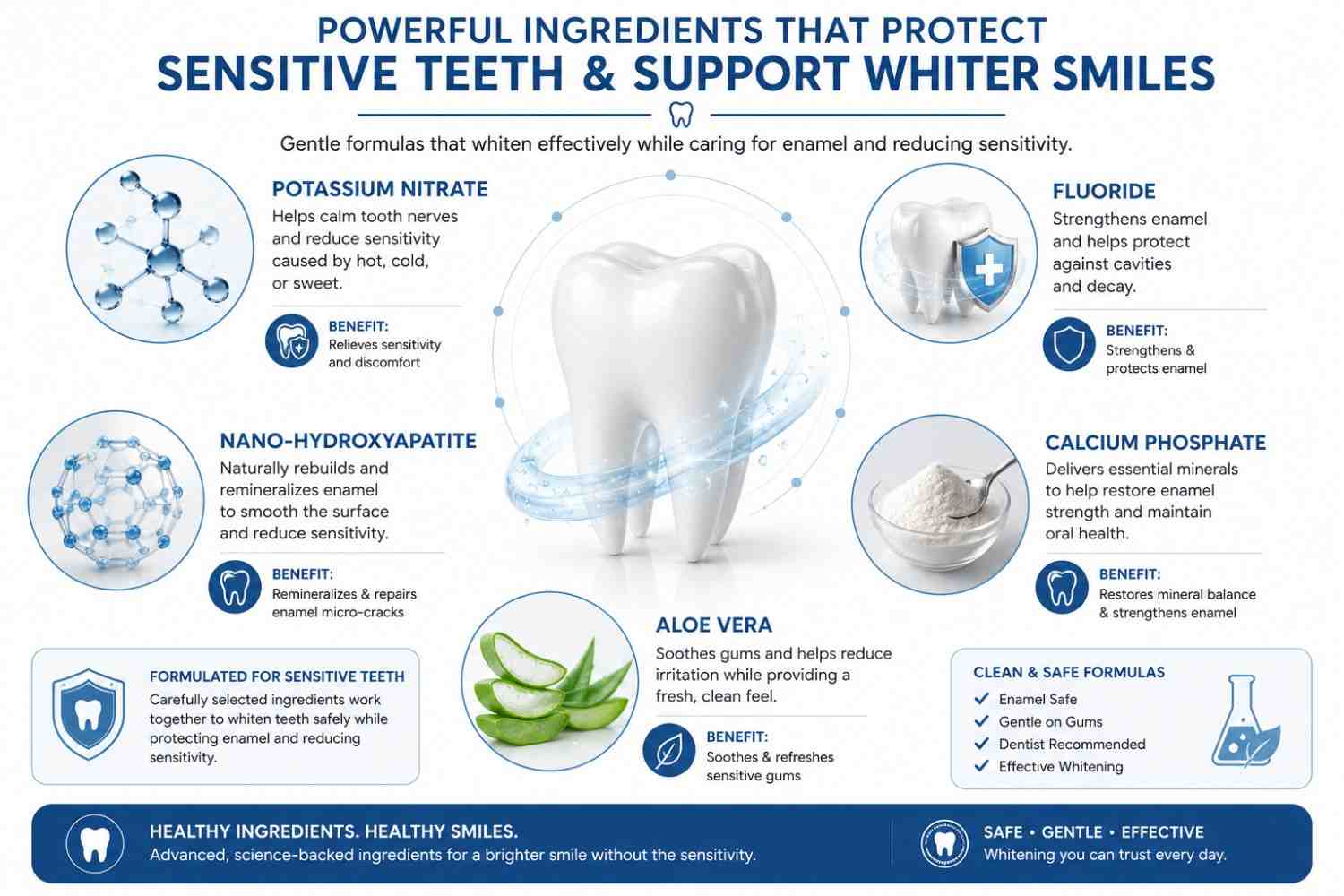
Many premium whitening products now include ingredients that support enamel health.
| Ingredient | Purpose |
| Potassium nitrate | Calms tooth nerves |
| Fluoride | Strengthens enamel |
| Nano-hydroxyapatite | Helps repair enamel surface |
| Calcium phosphate | Supports remineralization |
| Aloe vera | May soothe irritated gums |
Products containing these ingredients often provide a more comfortable whitening experience.
Tips to Whiten Sensitive Teeth Safely
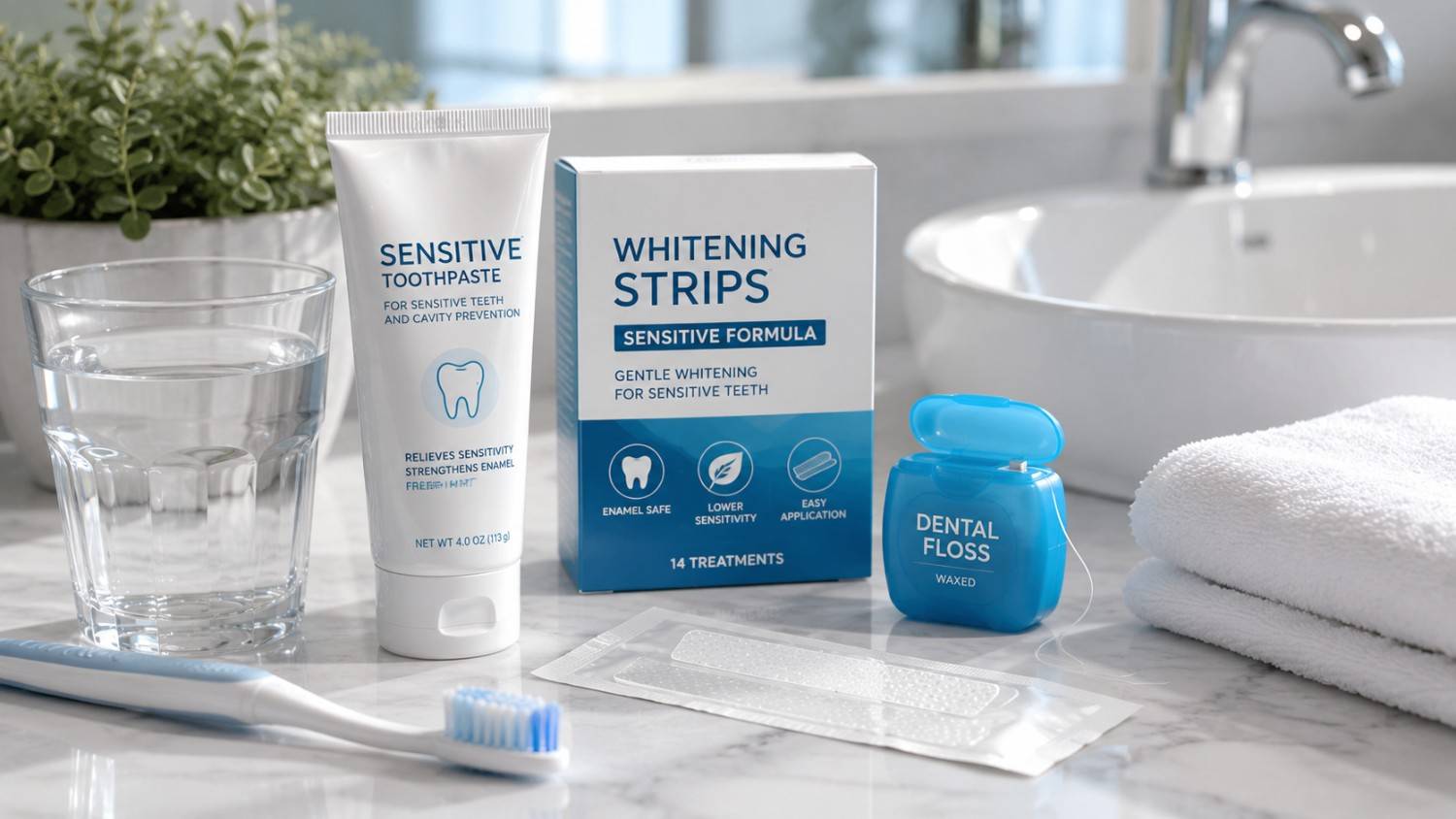
Using the best whitening strips for sensitive teeth correctly can make a significant difference.
Brush Gently
Use a soft-bristled toothbrush before whitening.
Avoid aggressive brushing.
Skip Whitening If You Have Dental Problems
Treat cavities, cracked teeth, or gum disease before beginning any whitening program.
Follow Instructions Exactly
Leaving strips on longer rarely improves results.
Instead, it often increases sensitivity.
Take Breaks if Needed
If your teeth become uncomfortable, skip a day before continuing treatment.
Use Sensitive Toothpaste
A toothpaste formulated for sensitive teeth may reduce discomfort during whitening treatments.
Avoid Acidic Foods Immediately After Whitening
For several hours after treatment, avoid:
- Citrus fruits
- Soda
- Vinegar
- Sports drinks
Your teeth may be temporarily more vulnerable.
Common Mistakes People Make
Many whitening problems come from user error rather than the product itself.
Avoid these mistakes:
- Whitening every day for months
- Using multiple whitening products together
- Applying strips to unhealthy teeth
- Ignoring gum irritation
- Expecting instant dramatic results
- Drinking coffee immediately after treatment
Patience usually produces better long-term whitening.
How Long Do Results Last?
Results depend largely on lifestyle habits.
Average whitening duration:
| Habit | Estimated Duration |
| Minimal staining foods | 6–12 months |
| Daily coffee | 3–6 months |
| Smoking | Shorter duration |
| Good oral hygiene | Longer-lasting results |
Occasional touch-up treatments help maintain brightness.
Are Whitening Strips Safe?
For most healthy adults, whitening strips are considered safe when used exactly as directed.
Temporary side effects may include:
- Mild sensitivity
- Gum irritation
- Temporary white spots that disappear
Avoid whitening if you have:
- Untreated cavities
- Significant gum disease
- Loose dental restorations
- Severe enamel erosion
Pregnant individuals should consult their healthcare provider before using whitening products.
Choosing the Best Whitening Strips for Sensitive Teeth in the USA
Consumers in the United States have access to a wide range of whitening strips sold through pharmacies, grocery stores, dental offices, and online retailers. Products marketed in the U.S. should comply with applicable FDA regulations for over-the-counter dental products where relevant, while manufacturers are responsible for product safety and labeling.
When comparing options in the U.S. market:
- Buy from reputable retailers.
- Check expiration dates.
- Read verified customer reviews alongside professional recommendations.
- Be cautious of unrealistic whitening claims or counterfeit products sold through unofficial marketplaces.
The best whitening strips for sensitive teeth often balance whitening performance with comfort rather than promising the fastest possible results.
Who Should Use Sensitive Whitening Strips?
The best whitening strips for sensitive teeth are a good choice for people who:
- Feel pain from cold or hot foods
- Experienced sensitivity with previous whitening products
- Have naturally thin enamel
- Want gradual whitening
- Prefer at-home treatments
- Drink coffee or tea regularly but want a gentler whitening routine
If you’re unsure whether whitening is appropriate, ask your dentist before starting treatment.
Expert Tips for Better Whitening Results
Dental professionals commonly recommend these habits to improve results while protecting your teeth:
- Have a dental cleaning before whitening if significant plaque or tartar is present.
- Stay hydrated to support healthy saliva production.
- Limit dark beverages during the whitening period.
- Use a straw for staining drinks when practical.
- Brush twice daily with fluoride toothpaste.
- Floss every day to remove plaque between teeth.
- Schedule regular dental checkups to monitor oral health.
Following these habits helps maintain a brighter smile long after your whitening treatment ends.
Frequently Asked Questions
Do whitening strips damage enamel?
When used as directed, quality whitening strips do not permanently damage healthy enamel. Overuse or misuse, however, can increase sensitivity and irritation.
Can people with sensitive teeth safely use whitening strips?
Yes. The best whitening strips for sensitive teeth are formulated to reduce discomfort by using gentler ingredients and lower peroxide concentrations.
How long does whitening sensitivity last?
Most whitening-related sensitivity is temporary and improves within 24 to 48 hours after treatment.
Are whitening strips better than whitening toothpaste?
Whitening strips generally produce more noticeable whitening because they contain peroxide that penetrates stains below the enamel surface. Whitening toothpaste mainly removes surface stains.
When should I avoid whitening strips?
Avoid whitening if you have untreated cavities, active gum disease, severe enamel erosion, or damaged dental work. Consult a dentist if you’re uncertain.
Conclusion

Finding the best whitening strips for sensitive teeth doesn’t have to be difficult. The right product combines effective stain removal with ingredients that protect enamel and minimize discomfort. By choosing a gentle formula, following the instructions carefully, and maintaining good oral hygiene, you can achieve a brighter smile without unnecessary pain.
Remember that whitening is only one part of a healthy smile. Regular dental checkups, consistent brushing and flossing, and limiting stain-causing foods and drinks all contribute to long-lasting results.
If you’re ready to improve your smile, compare products based on their ingredients, treatment time, and sensitivity-focused features rather than marketing claims alone. An informed choice will help you enjoy a whiter smile with greater confidence and comfort.
Read more: Best Toothpaste for Whitening Teeth