
Table of Contents
You don’t have to get a big dental bill to achieve a better smile. Whitening toothpaste is an ideal choice for a lot of people to help them slowly whiten their teeth, while also promoting proper oral hygiene, and to maintain the whiteness of their teeth over time, without any of the ingredients that cause discoloration. To many, whitening the teeth with a best toothpaste for whitening teeth also helps to uphold dental health, while keeping the teeth white over time without the coloring compounds of tobacco, coffee, tea, or red wine.
But not all best toothpaste for whitening teeth are the same. Some use a gentle polishing agent to remove surface stains, others have peroxide’s or advanced whitening processes that can cause more noticeable changes with time. A false choice could cause tooth sensitivity or you may end up being disappointed when the product you purchase doesn’t achieve the results you are looking for, because generally, toothpaste can only do so much.
This guide provides answers to these questions and more, explaining how best toothpaste for whitening teeth works, which ingredients are most important, and who should consider using them and how. You will also discover some of the most frequent problems to steer clear of and the treatments dentists recommend for a more healthy brightness in your smile.
What Is the Best Toothpaste for Whitening Teeth?
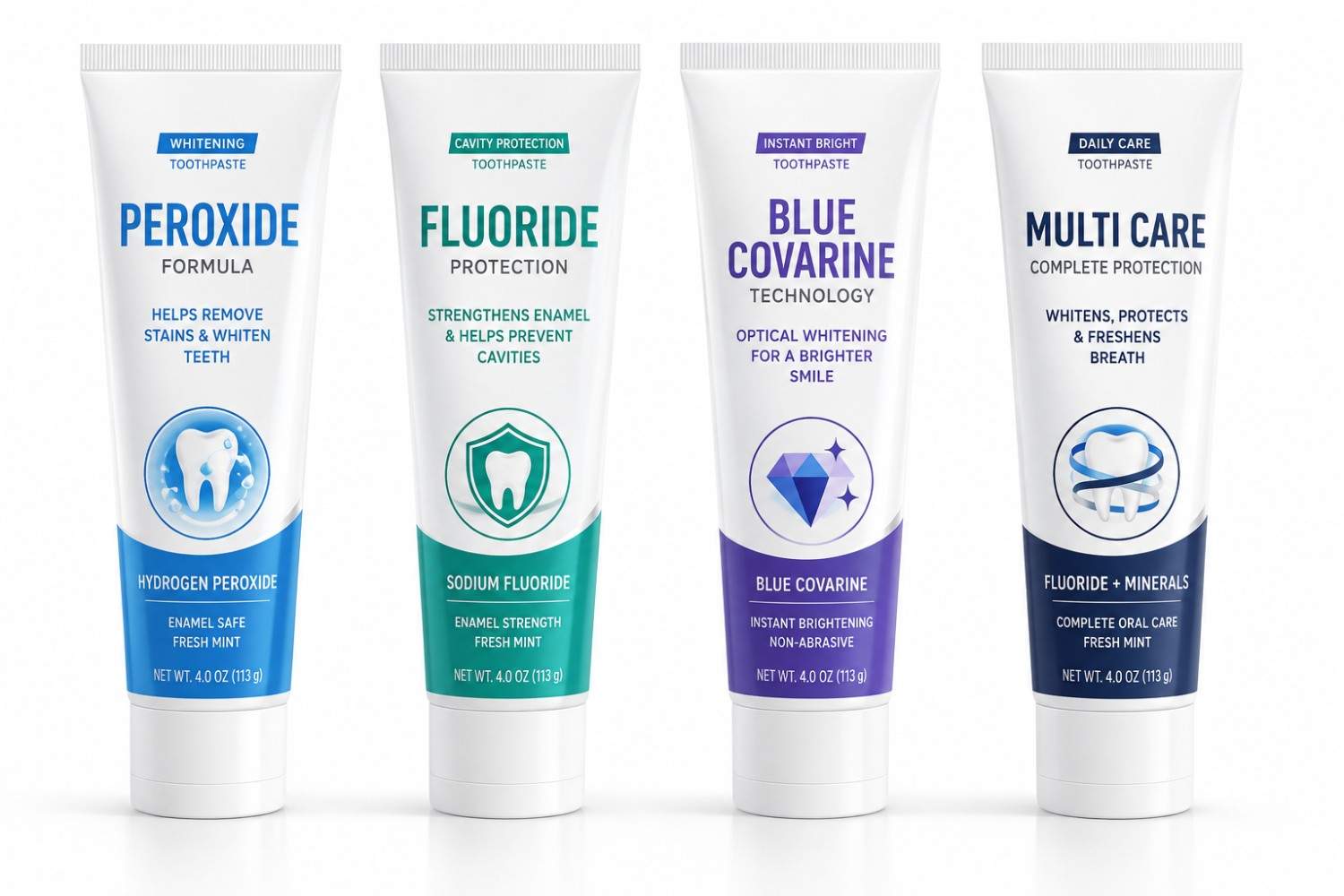
The best toothpaste for whitening teeth is one that contains peroxide.
The ideal toothpaste for Brightening You teeth will be certainly one that is able to be utilized safely without harming the enamel and will remove surface stains. Find products with mild abrasives and/or hydrogen peroxide or blue covarine technology and fluoride to help prevent cavities. Select the toothpaste that matches the type of stains, tooth sensitivity, oral health concerns, and more — not just because it’s marketed as such.
Why Teeth Become Stained
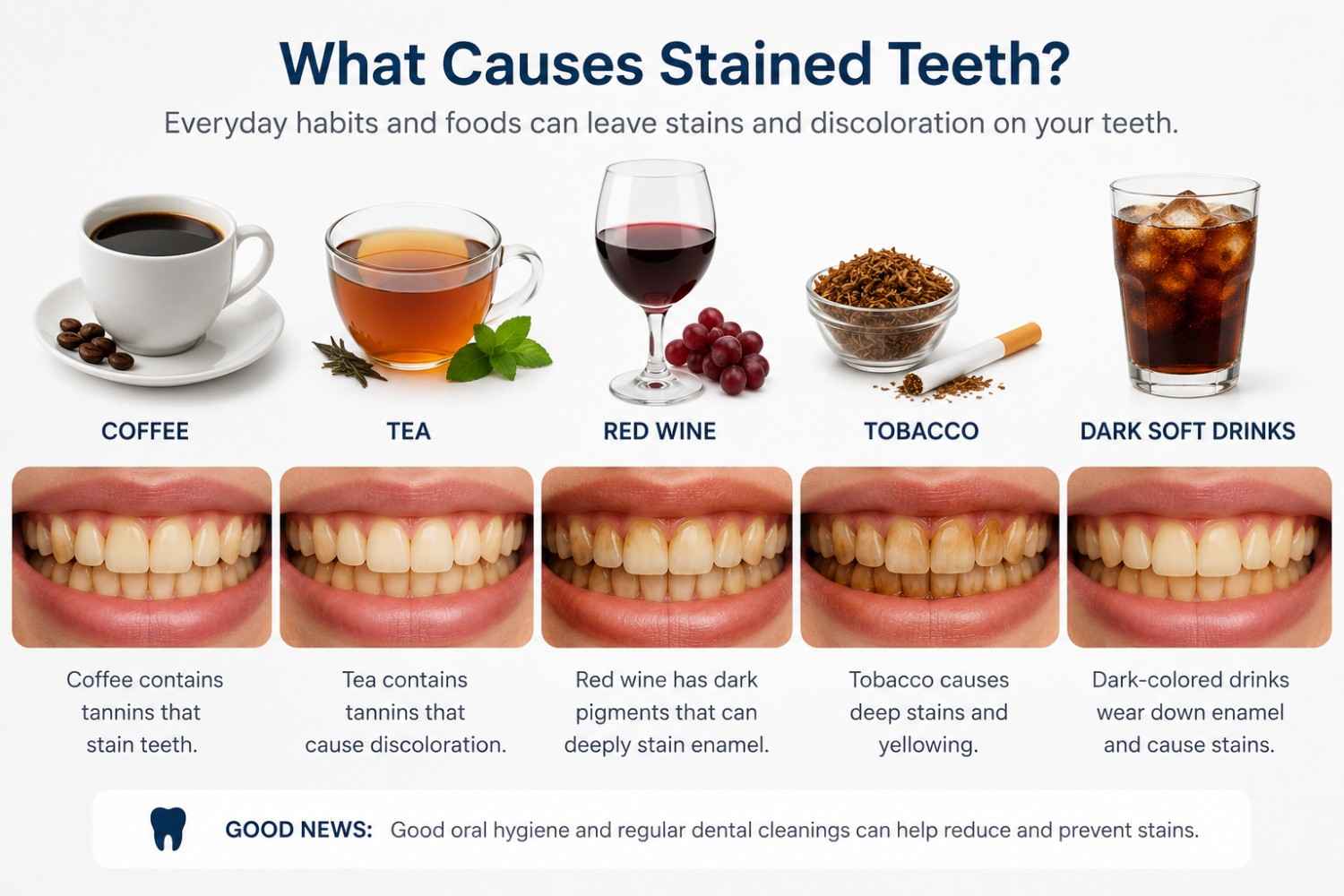
It’s important to know the cause of dull teeth for making the right decision about whitening.
Extrinsic (Surface) Stains
These stains form on the outside enamel layer and can be the easiest to clear up.
Common causes include:
- Coffee
- Tea
- Red wine
- Dark-colored soft drinks
- Tobacco
- Pigmented foods and Curry.
Toothpaste that whitens is best for these stains.
Intrinsic (Internal) Stains
These are located under the enamel and can be caused by:
- Aging
- Certain medications
- Dental trauma
- Exaggerated levels of fluoride in childhood.
Intrinsic discoloration typically cannot be treated with toothpaste and will require other methods. Professional whitening may be required, or dentist-supervised treatments.
How Whitening Toothpaste Actually Works
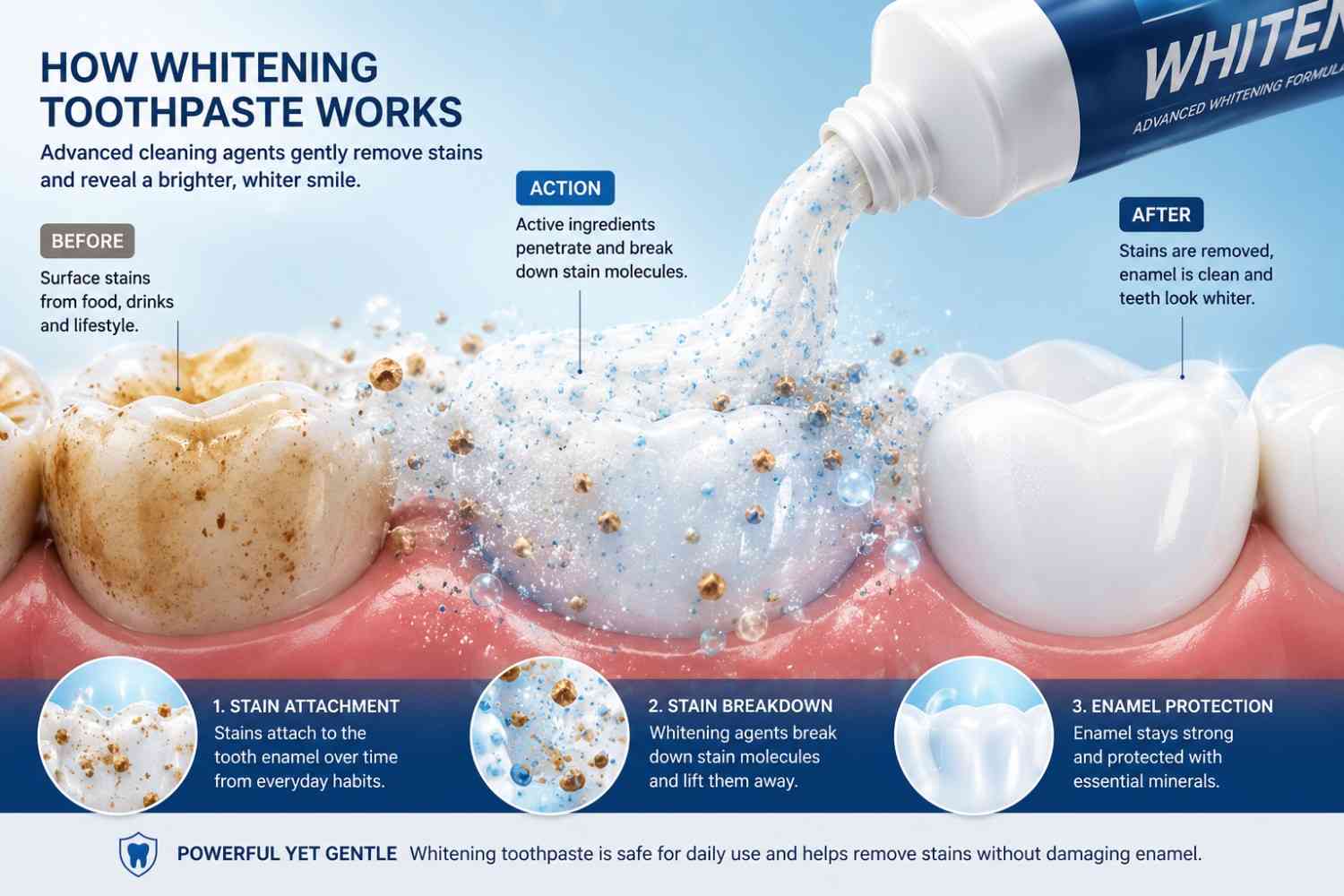
Most best toothpaste for whitening teeth does not provide dramatic whitening results as most people would like within only a few days.
Here are the most common ways almost all products enhance your smile:
| Whitening Technology | How It Works | Best For |
| Gentle abrasives | Polish away surface stains | Coffee and tea stains |
| Hydrogen peroxide | Breaks down stain molecules | Mild discoloration |
| Carbamide peroxide | Releases hydrogen peroxide slowly | Gradual whitening |
| Blue covarine | Creates an instant optical whitening effect | Temporary brightness |
| Enzyme technology | Breaks down stain-causing proteins | Daily maintenance |
After using best toothpaste for whitening teeth whitening regularly, twice a day, you should see improvement in the color of your teeth within 2-6 weeks.
Ingredients That Matter Most
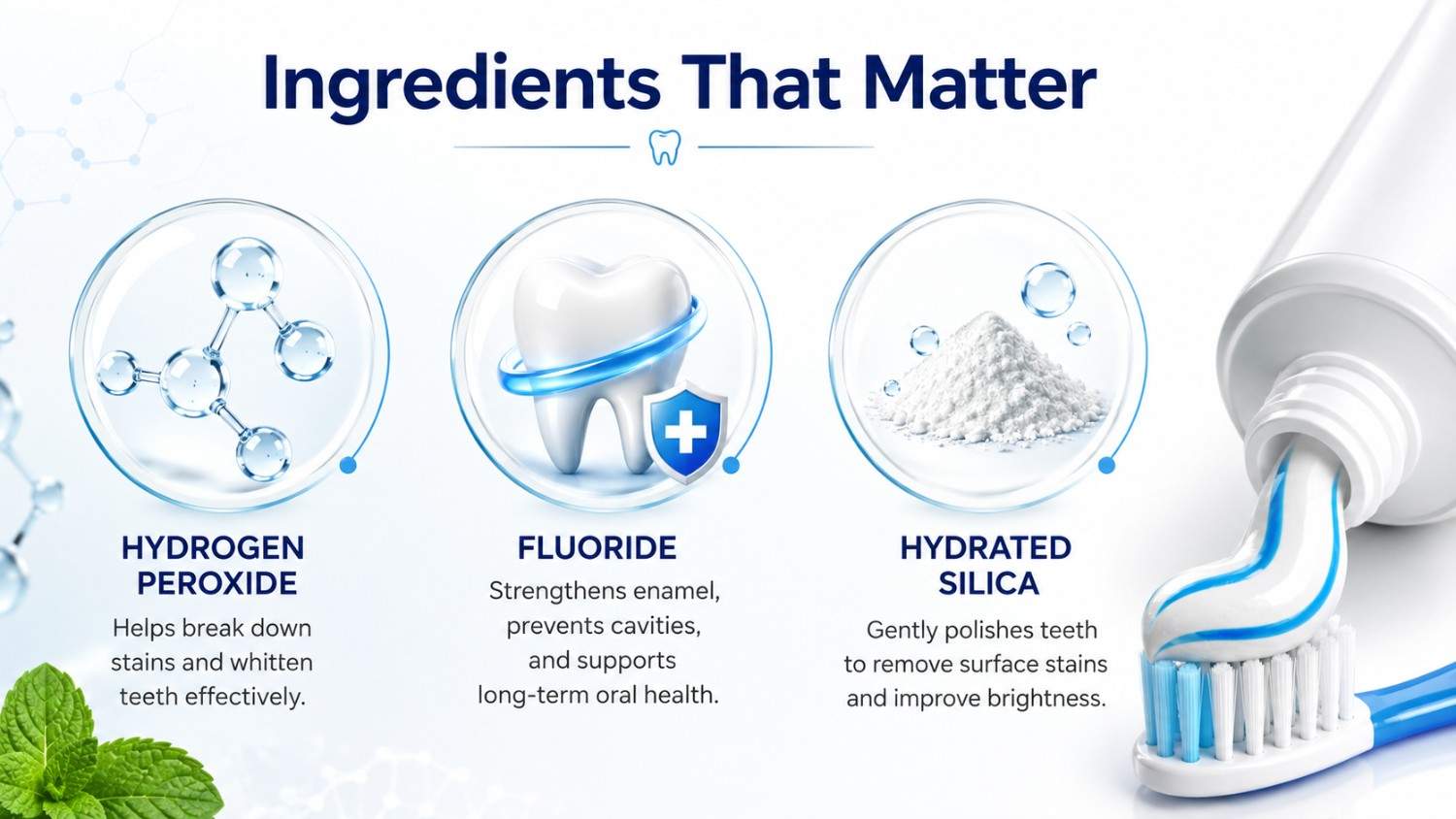
True, it’s easier to pay attention to what the brands are marketing now, but it’s better to take the time to read the ingredient labels.
Fluoride
Fluoride adds strength to the teeth and prevents cavities.
A best toothpaste for whitening teeth should continue to protect daily from cavities.
Hydrogen Peroxide
Hydrogen peroxide is one of the few ingredients on which there is good scientific evidence for whitening.
Benefits include:
- Splits stain molecules apart—removes stains.
- Helps to make a room brighter than just applying polish.
- Can correct minor coloration if any
The length of time a user may experience some sensitivity varies.
Hydrated Silica
Hydrated silica is a non-toxic polisher frequently used in whitening toothpaste.
When formulated correctly, it can help to remove stains and reduce enamel wear.
Potassium Nitrate
For anyone who has tooth sensitivity, you should choose potassium nitrate!
It is used to ease nerve reactions and for many helps them whiten pain-free.
Stannous Fluoride
In addition to cavity protection, stannous fluoride has the following benefits:
- Reduce plaque
- Improve gum health
- Lower sensitivity
- Protect enamel
How to Choose the Best Toothpaste for Whitening Teeth?
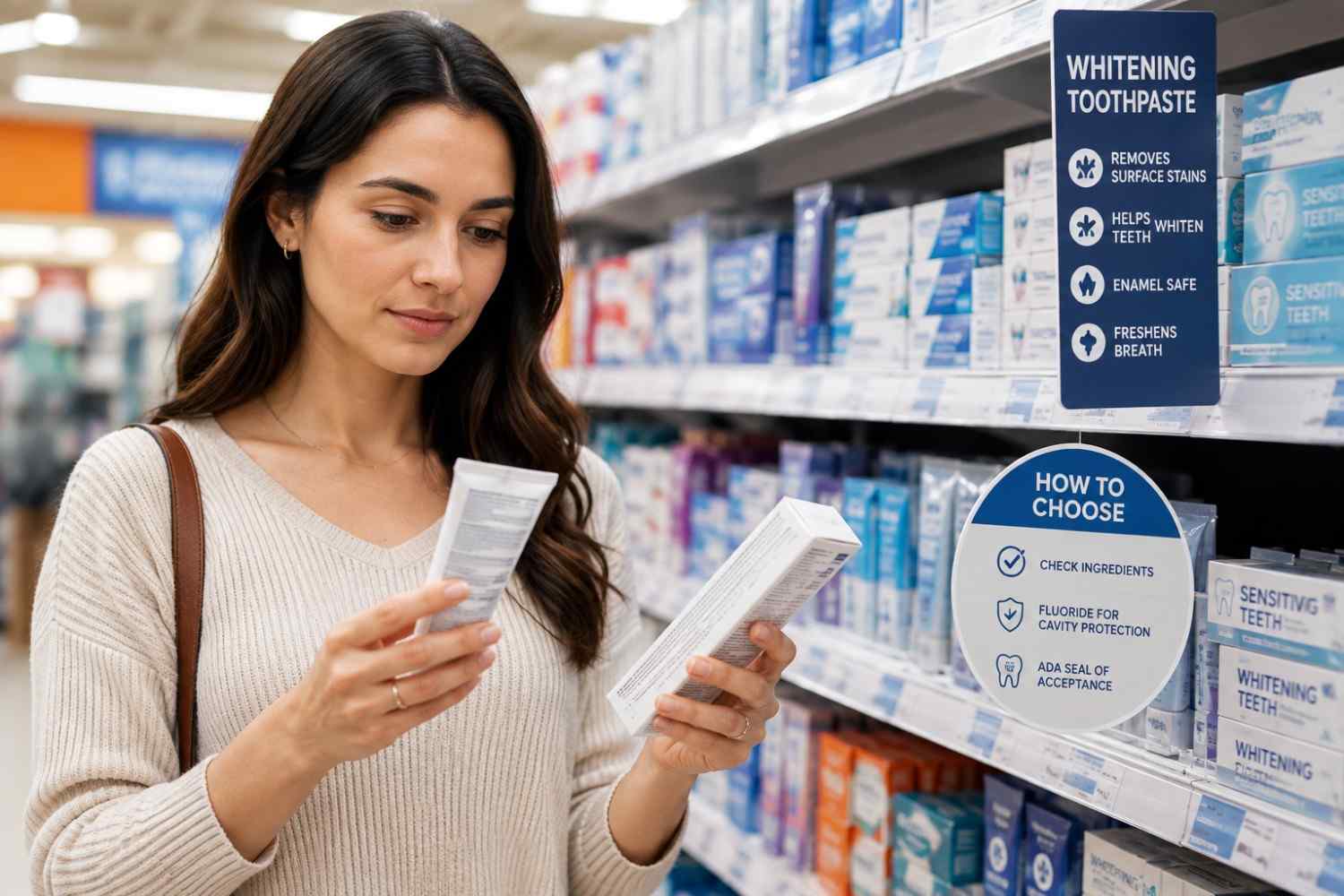
Not all consumers are the same and will require a different product.
If You Drink Coffee Daily
Use a toothpaste that is formulated to remove stains and uses non-abrasive polishing agents.
If you’re passionate about teeth, you should definitely read this article.
In the formulas look for:
- Potassium nitrate
- Stannous fluoride
- Low-abrasion polishing agents
Do not use abrasive products.
If You Have Dental Restorations
Tartar control toothpaste will not whiten:
- Crowns
- Veneers
- Composite fillings
- Bonding material
It impacts on the natural tooth enamel.
If You Smoke
Stains caused by smoking are hard to remove.
Tobacco damage cannot be repaired with best toothpaste for whitening teeth most effectively, but quitting tobacco will have the best long-term effects on tooth appearance and health.
Common Mistakes That Limit Whitening Results
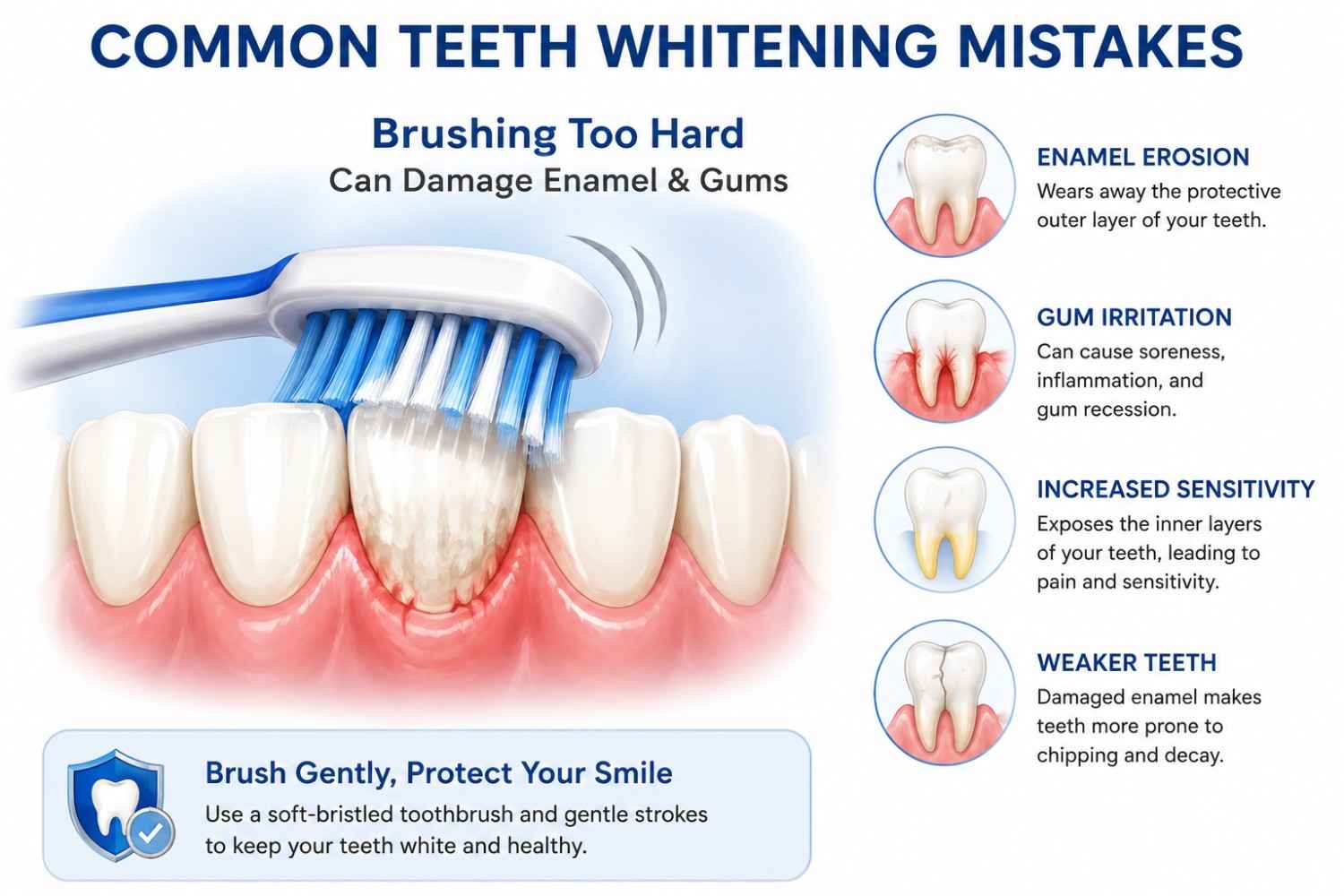
Many people think that the toothpaste isn’t working because routine is!
Avoid these mistakes:
Brushing Too Hard
A very hard brush does not whiten any quicker.
Instead, it may:
- Wear enamel
- Irritate gums
- Increase sensitivity
Expecting Overnight Results
A whitening toothpaste is meant to work over a period of time.
This usually yields the greatest result when used every day.
Skipping Daily Oral Hygiene.
Whitening is most effective with:
- Brushing twice daily
- Daily flossing
- Regular dental cleanings
- Limiting stain-causing beverages
Drinking Coffee Immediately After Brushing
Brushing could temporarily increase the chance that new stains might occur on enamel.
Waiting for about 30 minutes before drinking coffee or tea may decrease staining.
How to Maximize Whitening Results?
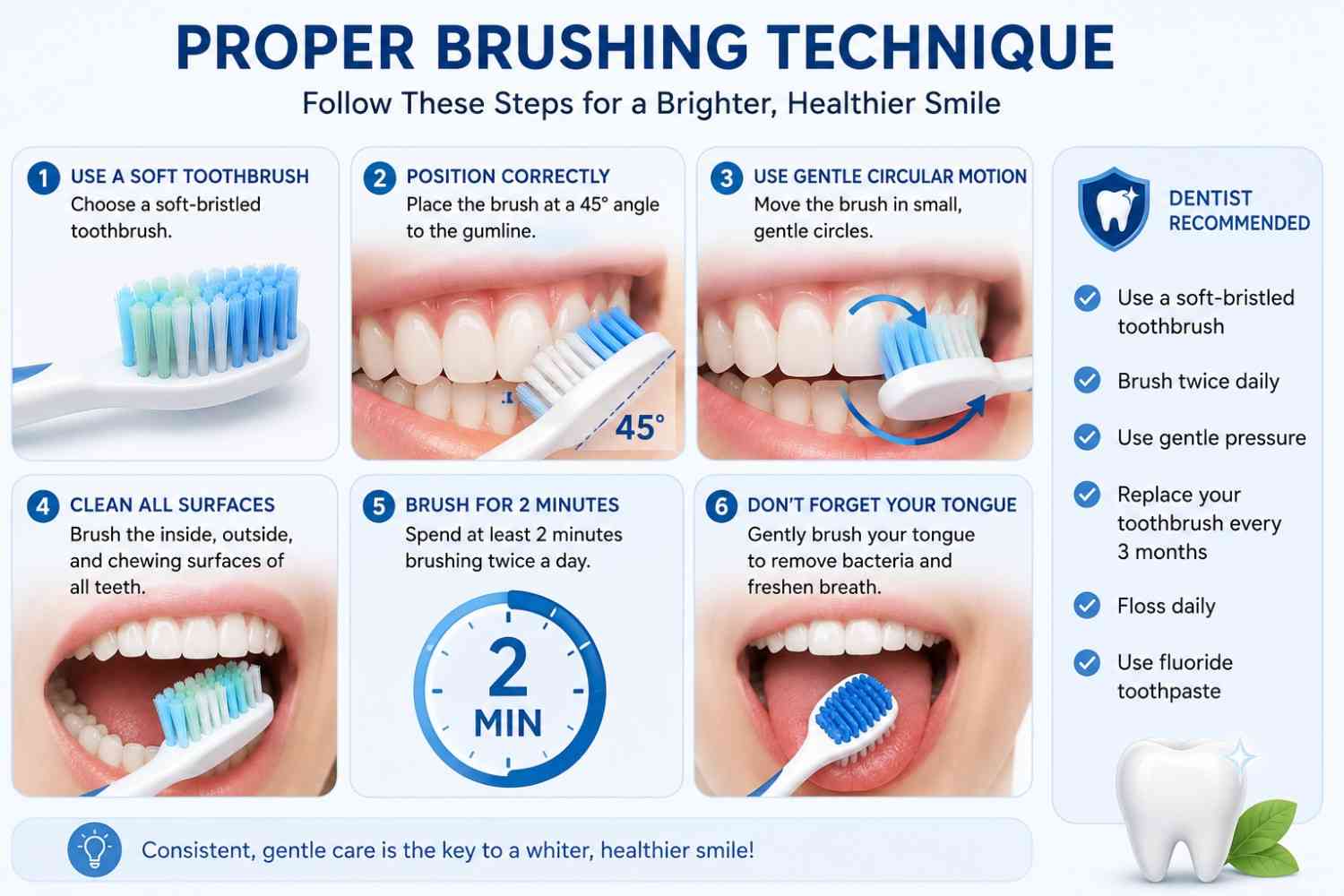
The little bit of changes in the habits make a lot of difference.
Brush Properly
Dentists generally recommend:
- Each session 2 minutes in duration.
- Twice daily
- Soft-bristled toothbrush
- Gentle circular motions
Make use of an Electric Toothbrush.
When used properly, electric toothbrushes can be more effective at effectively eliminating surface stains and plaque than manual toothbrushes.
Reduce Staining Foods
You don’t need to remove favorites from your site.
Instead:
- Use a straw for drinking coffee when possible
- Rinse/clean with water afterwards
- Don’t sip on dark drinks for extended periods of time
Schedule Professional Cleanings
Hardened plaque and stains that toothpaste cannot get rid of can be cleaned by a professional cleaning.
Adults in the USA should visit their dentist every six months for routine dental care, unless your dentist prescribes a different time frame.
Is Whitening Toothpaste Safe?
Whitening toothpaste is safe for most healthy adults, when used as directed.
Good whitening toothpaste known to be safe under accepted standards do not damage enamel when used daily, research shows.
If you have the following conditions, however, please ask your dentist for advice before using whitening products:
- Untreated cavities
- Gum disease
- Cracked teeth
- Severe sensitivity
- Extensive dental restorations
Whitening toothpaste is intended only for children who have been recommended to do so by their dental professional.
Whitening Toothpaste vs. Other Whitening Methods
| Method | Removes Surface Stains | Whitens Deep Stains | Typical Speed | Cost |
| Whitening toothpaste | ✅ Yes | Limited | Slow | Low |
| Whitening strips | ✅ Yes | Moderate | Moderate | Moderate |
| Whitening gel | ✅ Yes | Good | Moderate | Moderate |
| LED whitening kits | ✅ Yes | Better | Moderate | Moderate to High |
| Professional dental whitening | ✅ Yes | Excellent | Fast | Highest |
Whitening toothpaste is an excellent product to use on a regular basis for many people after professional whitening.
Consumer Practical Tips in the USA
If you’re shopping in the United States:
- If available, use toothpaste that has the ADA Seal of Acceptance.
- Always use the product as directed.
- Purchasing from trusted retailers means the customer will lessen the chances of purchasing counterfeit items.
- If sensitivity does not subside in a couple of days, discontinue use and consult with the dentist.
Keep in mind that over-the-counter toothpaste is not capable of permanently removing stains, or the natural colour of enamel, from teeth.
Conclusion
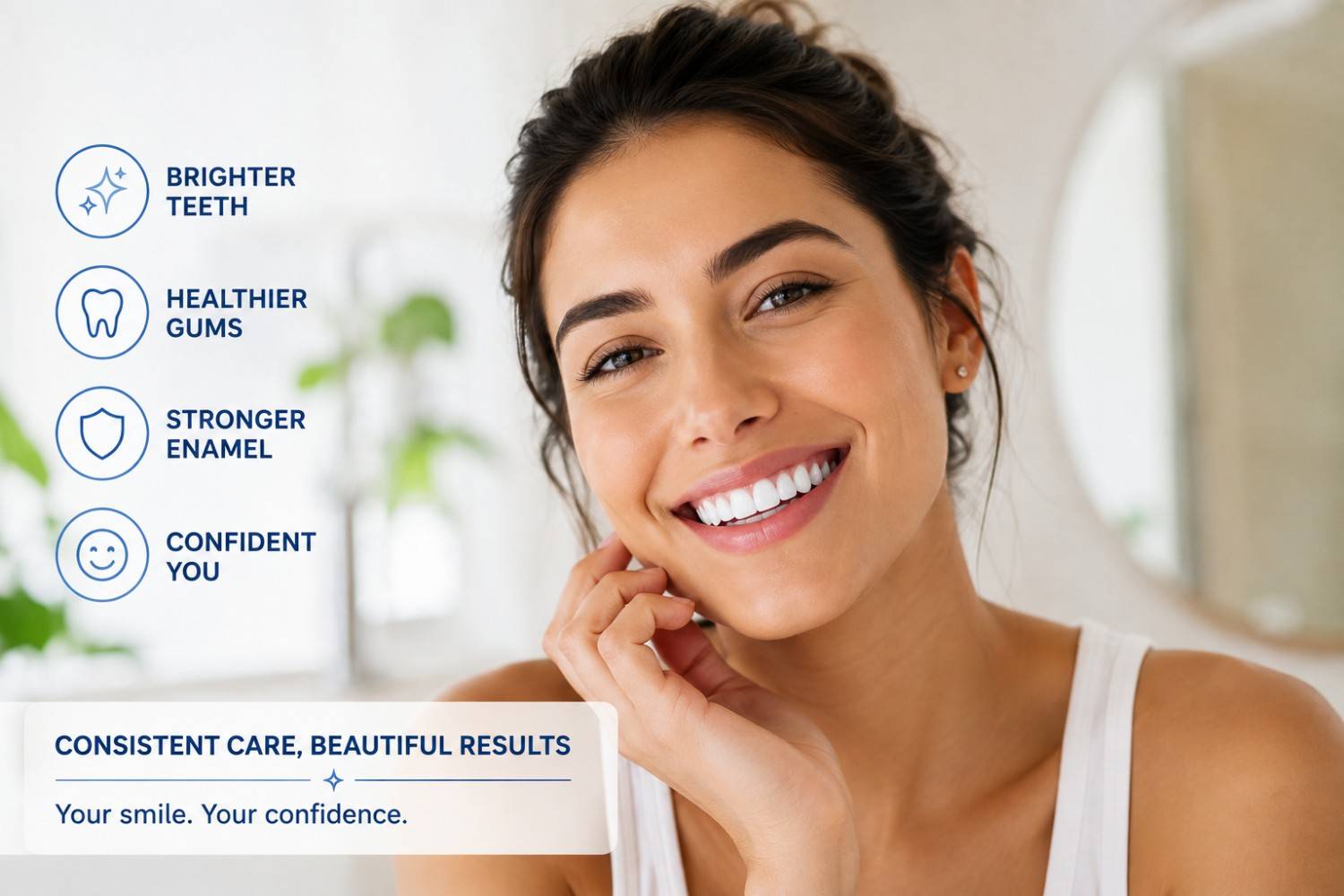
Selecting the right toothpaste to whiten teeth is not just a question of picking the brightest and shiniest tube off the shelf. The best way to do this is to find one that suits you, including if you have stained coffee grounds, light discoloration or a tooth sensitivity to certain types of coffee. Education on the active ingredients, regular use of the toothpaste and good oral hygiene can gradually, but certainly,improve without any erosion of enamel.
For a brighter smile, begin with a good whitening toothpaste, maintain proper brushing techniques and visit the dentist on a regular basis. If you find that a daily stain remover doesn’t work on the stain, you may want to consult your dentist about professional whitening treatment that may be suitable for your oral health.
Read more:Best Teeth Whitening for Sensitive Teeth