
Table of Contents
What Is an Smile Teeth Whitening Kit?
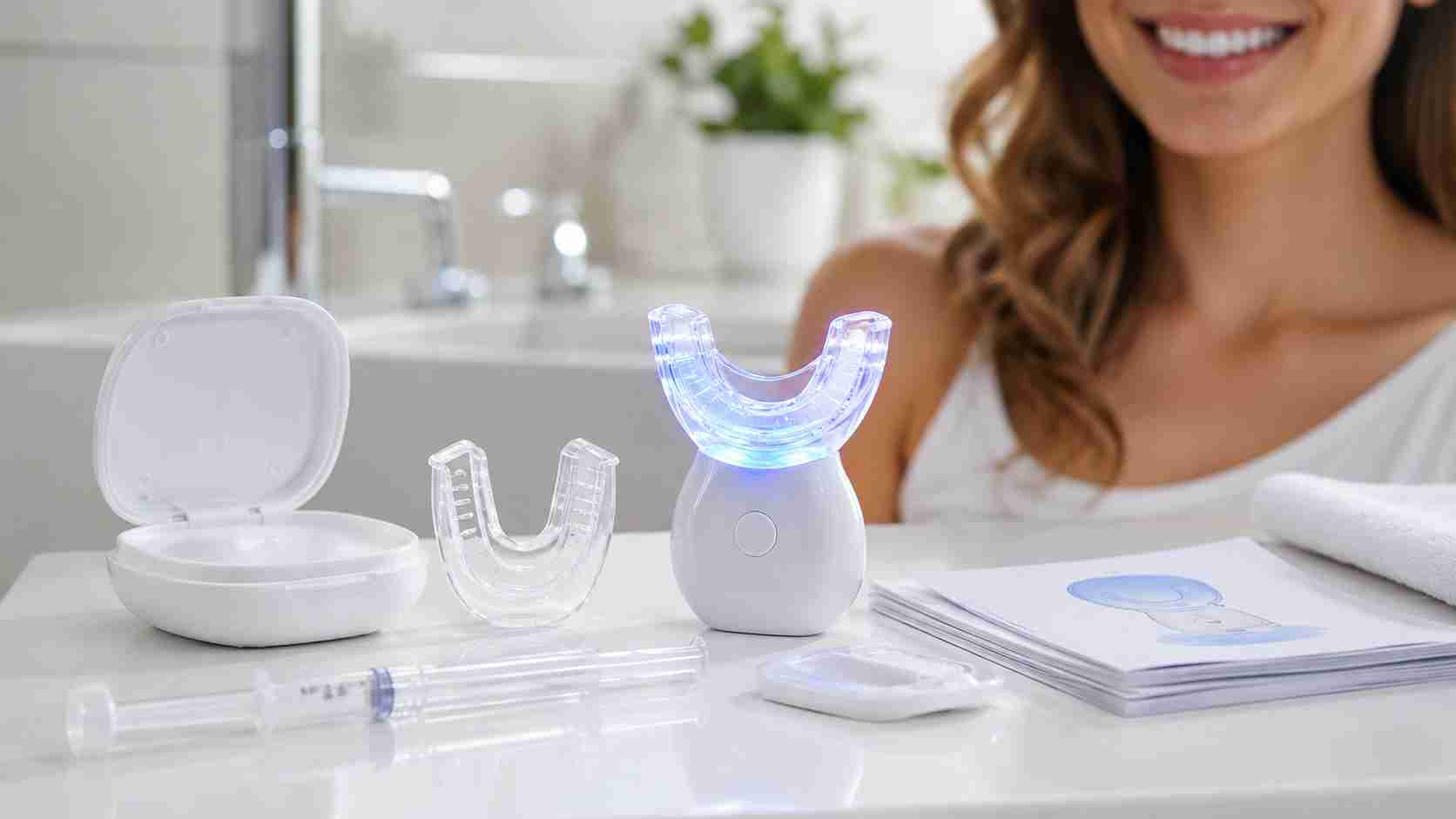
An Smile teeth whitening kit is a home-use whitening system designed to brighten natural teeth using a combination of bleaching gel, trays or strips, and sometimes an LED light or other delivery technology.
The important word is system. A higher-tech package is not automatically better than a basic whitening strip. What matters is the active ingredient, concentration, contact time, application method, safety instructions, and whether the product has credible evidence behind its claims.
For shoppers in the USA, the American Dental Association (ADA) is one useful reference point. The ADA currently has a specific category for home-use tooth bleaching products and evaluates eligible products for safety and effectiveness.
If you’re comparing products, this guide will help you understand:
- Which whitening ingredients actually matter
- Whether LED lights are worth paying for
- How to compare trays, strips, pens, and complete systems
- How to reduce tooth sensitivity
- When professional whitening may make more sense
- Which features are genuinely useful and which are mostly marketing
How Smile Teeth Whitening Kits Actually Work
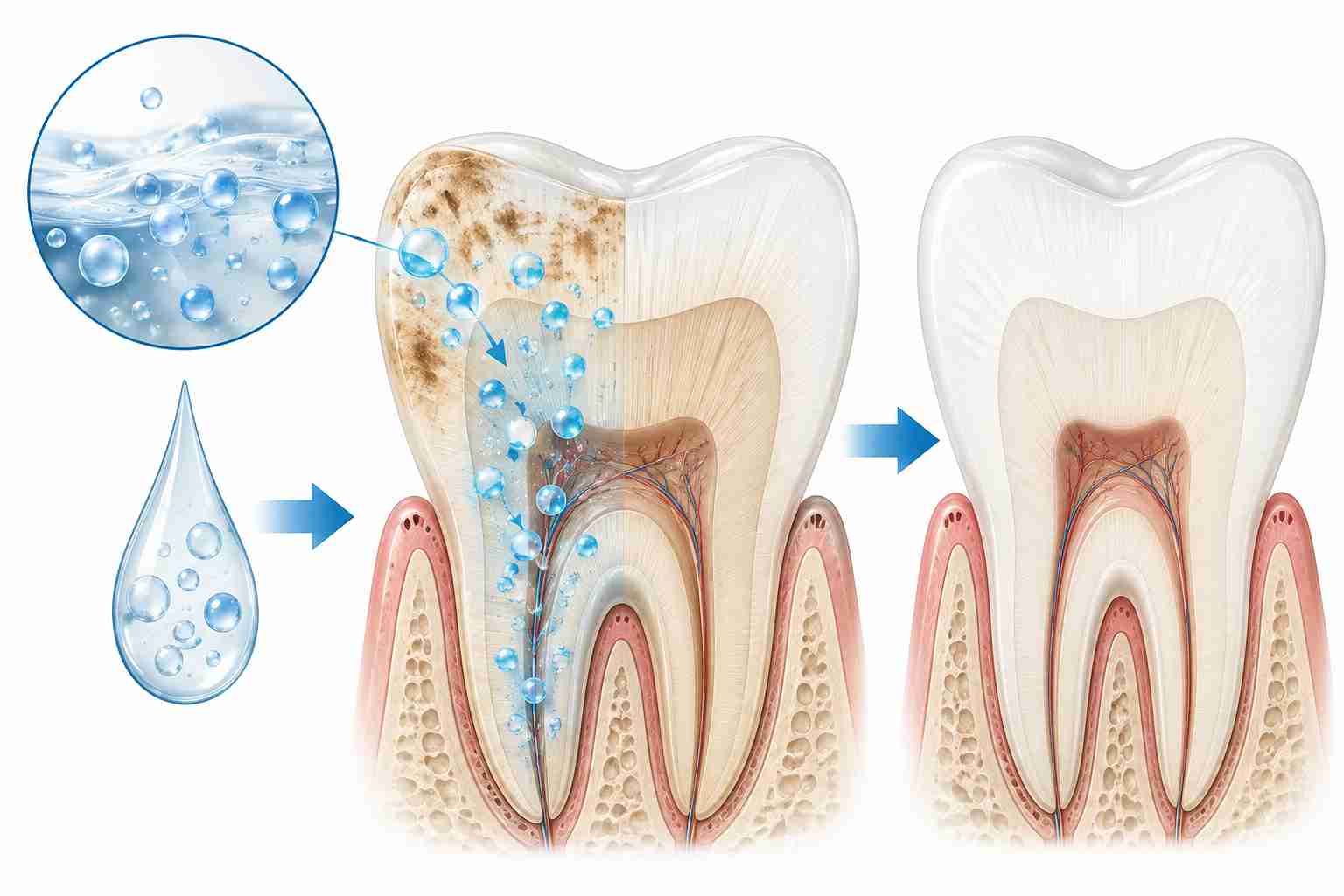
Most effective bleaching systems use hydrogen peroxide or carbamide peroxide. These compounds penetrate the tooth and break down compounds responsible for darker coloration. The ADA identifies both as commonly used ingredients in tooth-whitening treatments.
There are two broad types of discoloration.
Surface stains
These develop on the outer surface of teeth and can be associated with:
- Coffee and tea
- Red wine
- Tobacco
- Highly pigmented foods
- Certain drinks and sauces
- Normal buildup over time
Whitening toothpaste can help remove some surface staining through gentle abrasives, but it generally works differently from peroxide-based bleaching.
Deeper tooth discoloration
Intrinsic discoloration occurs within the tooth structure. Peroxide-based bleaching can change the color of natural teeth more substantially than simple stain removal.
This distinction is important because a product marketed as “whitening” might primarily remove surface stains rather than actually bleach the underlying tooth color.
What about dental restorations?
Whitening treatments work on natural teeth, not tooth-colored crowns, veneers, fillings, or similar restorations. The ADA specifically notes that restorations do not whiten in the same way as natural tooth structure.
If you have visible dental work on your front teeth, whitening before replacing or matching restorations can therefore affect the final shade you choose. A dentist can help you plan the order of treatment.
What to Look for in an Smile Teeth Whitening Kit
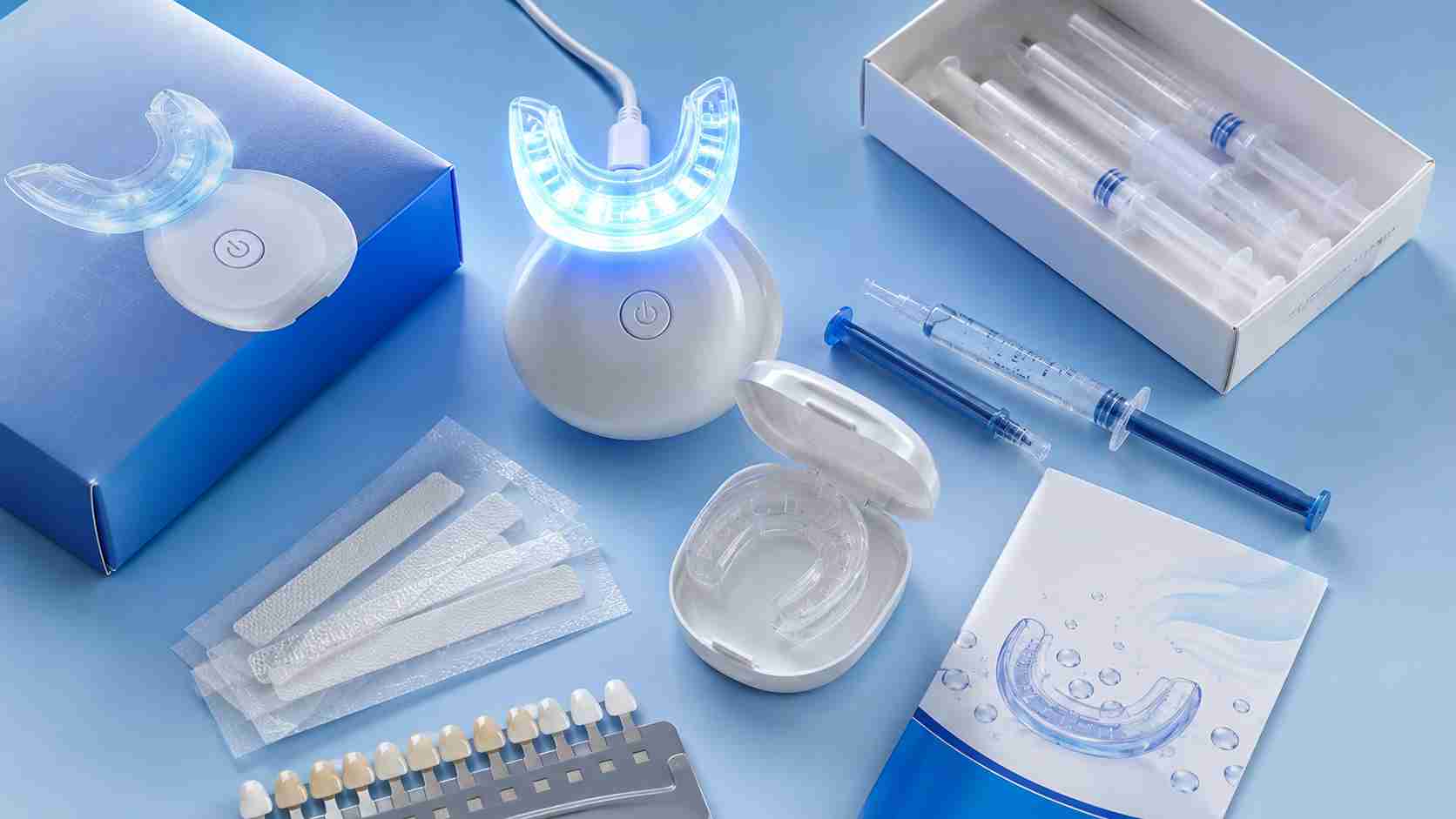
Not every feature deserves equal weight when you’re comparing products.
1. Check the active whitening ingredient
Start with the ingredient list rather than the box design.
Hydrogen peroxide and carbamide peroxide are the two ingredients most commonly associated with dental bleaching. Carbamide peroxide breaks down into hydrogen peroxide and other components, providing a different release profile.
A higher concentration is not automatically the best choice. Stronger bleaching can also increase the likelihood of temporary sensitivity or gum irritation. The ADA notes that sensitivity and gingival irritation are among the most common adverse effects of whitening.
2. Look at the tray or strip design
A whitening gel is only useful if it stays where it is supposed to be.
Poorly fitting trays can allow gel to contact the gums, potentially causing irritation. Custom-fitted trays supplied through a dentist can offer more controlled application than generic trays.
For an Smile teeth whitening kit, look for:
- Even contact with the teeth
- Clear application instructions
- Minimal gel leakage
- Comfortable wear
- A design that doesn’t make you overapply the product
3. Don’t automatically pay extra for LED technology
LED whitening kits are popular because the light makes the product look more sophisticated. But the presence of an LED does not by itself prove that a system will produce dramatically better results.
The whitening chemistry remains central. Professional whitening may use light activation in some circumstances, but at-home products vary considerably in their formulations and protocols.
If two products have similar bleaching ingredients and one costs substantially more simply because it includes a light, compare the evidence and instructions before spending the extra money.
4. Look for credible third-party evaluation
The ADA Seal of Acceptance can be a useful screening tool when an eligible product carries it.
The ADA says products seeking the Seal must provide evidence supporting safety and effectiveness, and accepted products undergo review against category requirements. Its 2026 requirements specifically include a home-use tooth bleaching category.
That doesn’t mean a product without the Seal is necessarily ineffective. It does mean you should be more careful about evaluating unsupported claims.
Smile vs. Basic Whitening Systems
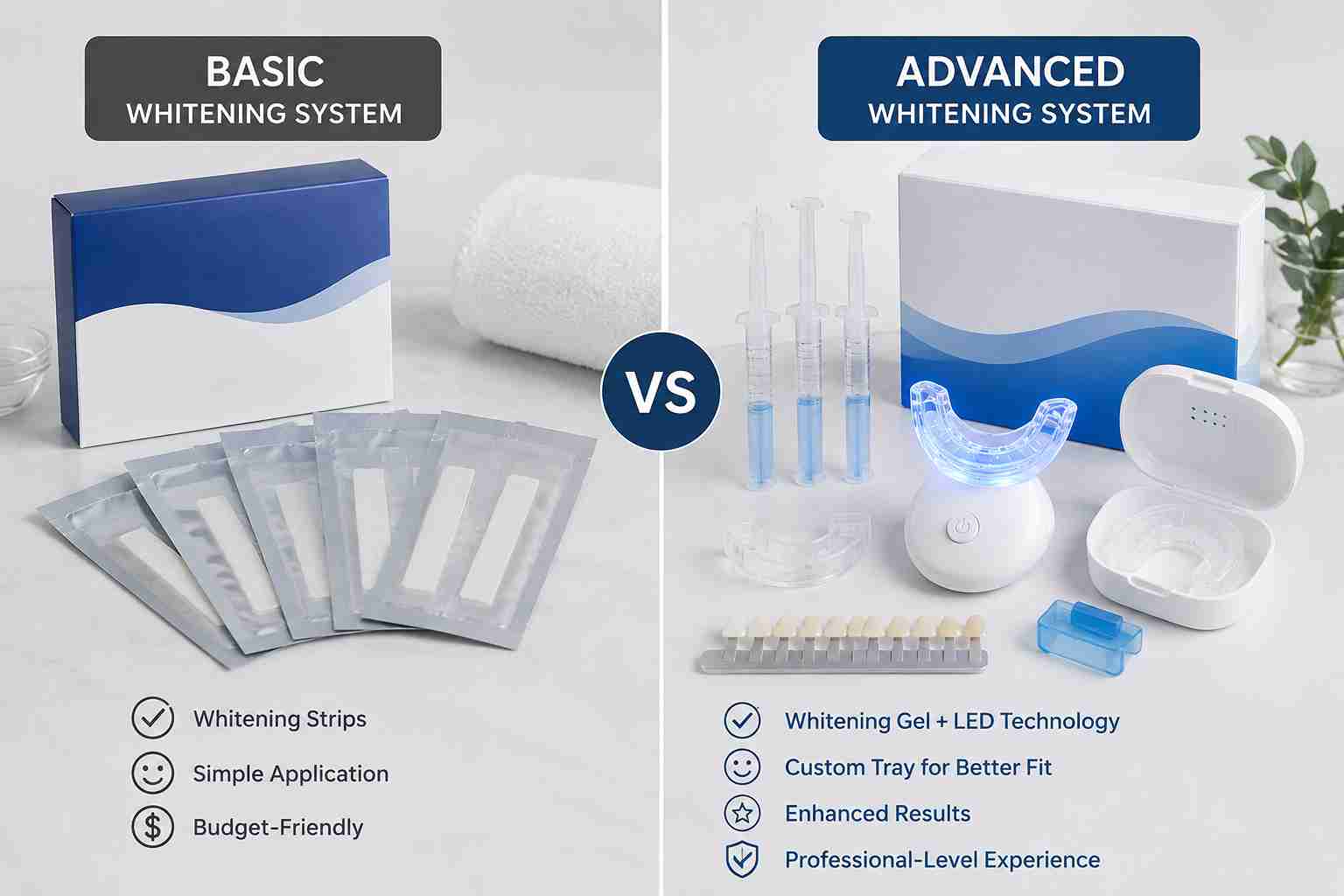
A more expensive kit isn’t necessarily the right kit. Compare the features that affect actual use.
| Feature | Basic Whitening | Advanced System |
| Whitening strips | Common | Sometimes included |
| Peroxide gel | Usually | Usually |
| Generic tray | Sometimes | Often |
| Custom tray | Rare | Available with dentist-supervised systems |
| LED light | Uncommon | Common in some products |
| Sensitivity-focused options | Varies | Often emphasized |
| Application control | Moderate | Potentially better |
| Cost | Lower | Usually higher |
| Professional supervision | No | Sometimes |
The best option depends on your teeth, stain type, sensitivity, budget, and how quickly you want results.
For someone with mild coffee staining and healthy teeth, a straightforward OTC product may be enough. Someone with significant discoloration, sensitivity, restorations, or a specific cosmetic deadline may benefit more from dental guidance.
How to Choose the Right Whitening System for Your Needs
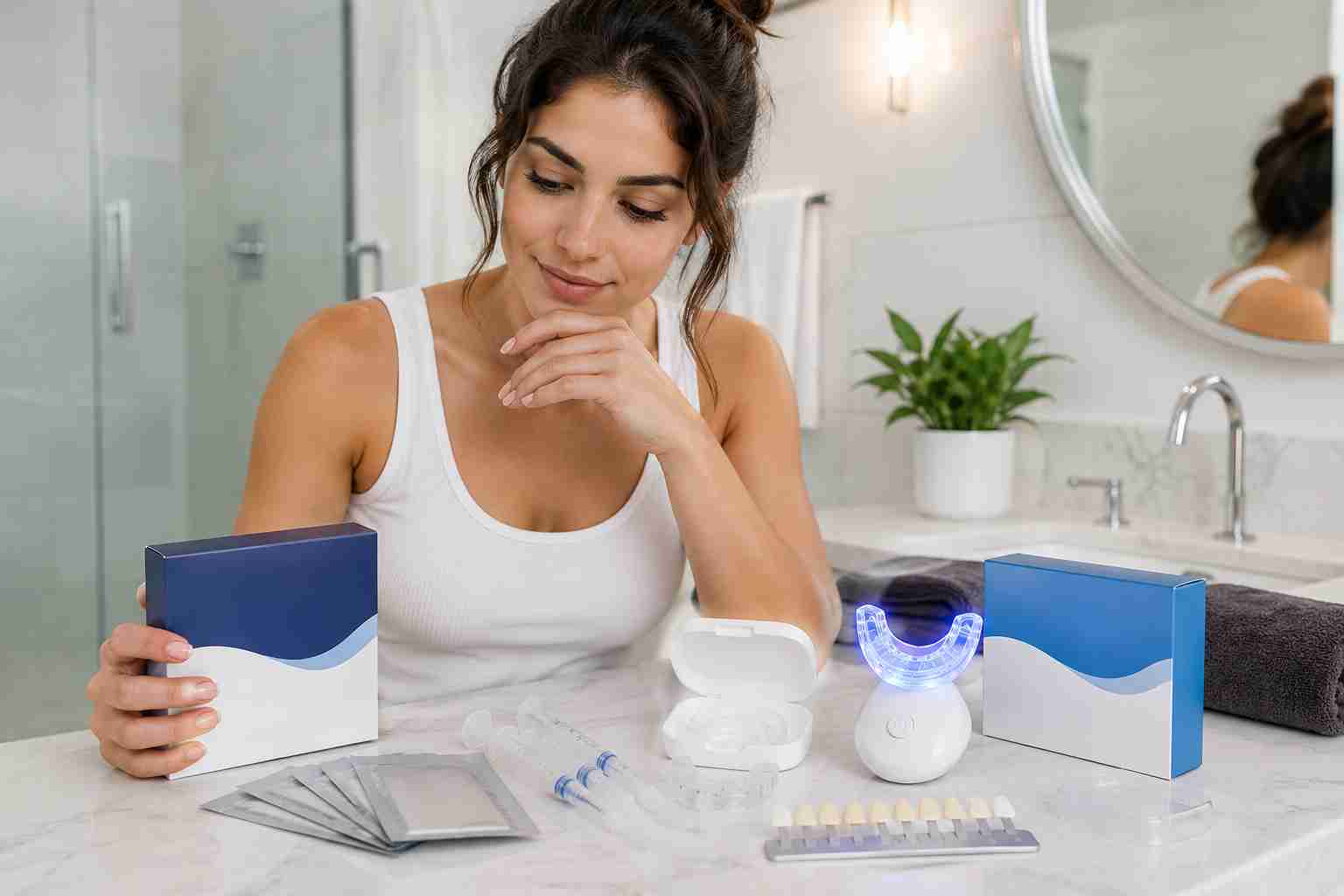
Rather than asking which product is universally “best,” match the system to your situation.
If you want convenience
Whitening strips are simple because the product is already measured and positioned for you.
They can be a practical choice if you don’t want to mix gel, clean trays, or manage multiple components.
If you want more application control
A tray-and-gel system gives you greater control over where the whitening material is placed.
Dentist-provided custom trays are different from generic trays. A dentist can also determine whether whitening is appropriate before treatment.
If sensitivity is your main concern
Don’t choose solely according to whitening strength.
Sensitivity can occur with different bleaching approaches and is generally temporary, but higher concentrations can increase the likelihood of adverse effects.
A sensible approach is to:
- Follow the manufacturer’s wear time
- Never compensate for slow results by applying extra gel
- Avoid using multiple bleaching products simultaneously
- Stop and seek dental advice if significant discomfort develops
- Consider discussing sensitivity with your dentist before starting
If you want the fastest predictable result
Professional treatment deserves consideration.
In-office whitening uses stronger professional protocols and can produce results more quickly than many OTC approaches. At-home whitening can work, but generally requires repeated use over a longer period.
For an upcoming wedding, presentation, photo session, or other fixed deadline, ask a dentist which approach is realistic rather than assuming an LED kit will deliver instant results.
Common Mistakes to Avoid
Even a good product can disappoint when it’s used incorrectly.
Using more gel than recommended
More gel doesn’t necessarily mean faster whitening. Excess product can increase contact with the gums and raise the risk of irritation.
Use the amount specified by the manufacturer.
Whitening too frequently
Repeated bleaching without adequate breaks can increase sensitivity. Follow the complete treatment schedule instead of creating your own more aggressive routine.
Ignoring existing dental problems
Whitening is cosmetic. It shouldn’t replace treatment for cavities, cracked teeth, gum disease, or other oral-health problems.
A dental examination can identify problems that could make whitening uncomfortable or inappropriate.
Expecting crowns and fillings to whiten
Natural tooth structure can respond to bleaching while restorations remain unchanged. This can create a noticeable shade difference.
Assuming expensive means effective
A premium case, smartphone-style app, LED mouthpiece, or dramatic packaging doesn’t establish clinical effectiveness.
Look at the active ingredient, instructions, evidence, safety information, and independent evaluation first.
How to Get Better Results From Home Whitening
Once you’ve chosen an Smile teeth whitening kit, your daily habits can influence how long the results remain noticeable.
Maintain normal oral hygiene
Continue brushing twice daily and cleaning between your teeth. Whitening isn’t a substitute for routine oral care.
Limit frequent exposure to staining foods and drinks
Coffee, tea, red wine, dark berries, cola, tobacco, and strongly pigmented sauces can contribute to staining over time. The ADA also recommends healthy oral-care habits and limiting staining exposures when maintaining whitening results.
You don’t necessarily need to eliminate every favorite food. Frequency matters. For example, someone drinking several cups of dark coffee every day is likely to face a different staining challenge than someone who drinks it occasionally.
Keep realistic expectations
Natural tooth color varies. Whitening can improve the appearance of stained teeth, but it does not necessarily produce an unnaturally bright or identical shade for everyone.
The starting color, type of discoloration, enamel characteristics, treatment duration, and restoration history all matter.
Are Smile Whitening Kits Safe?
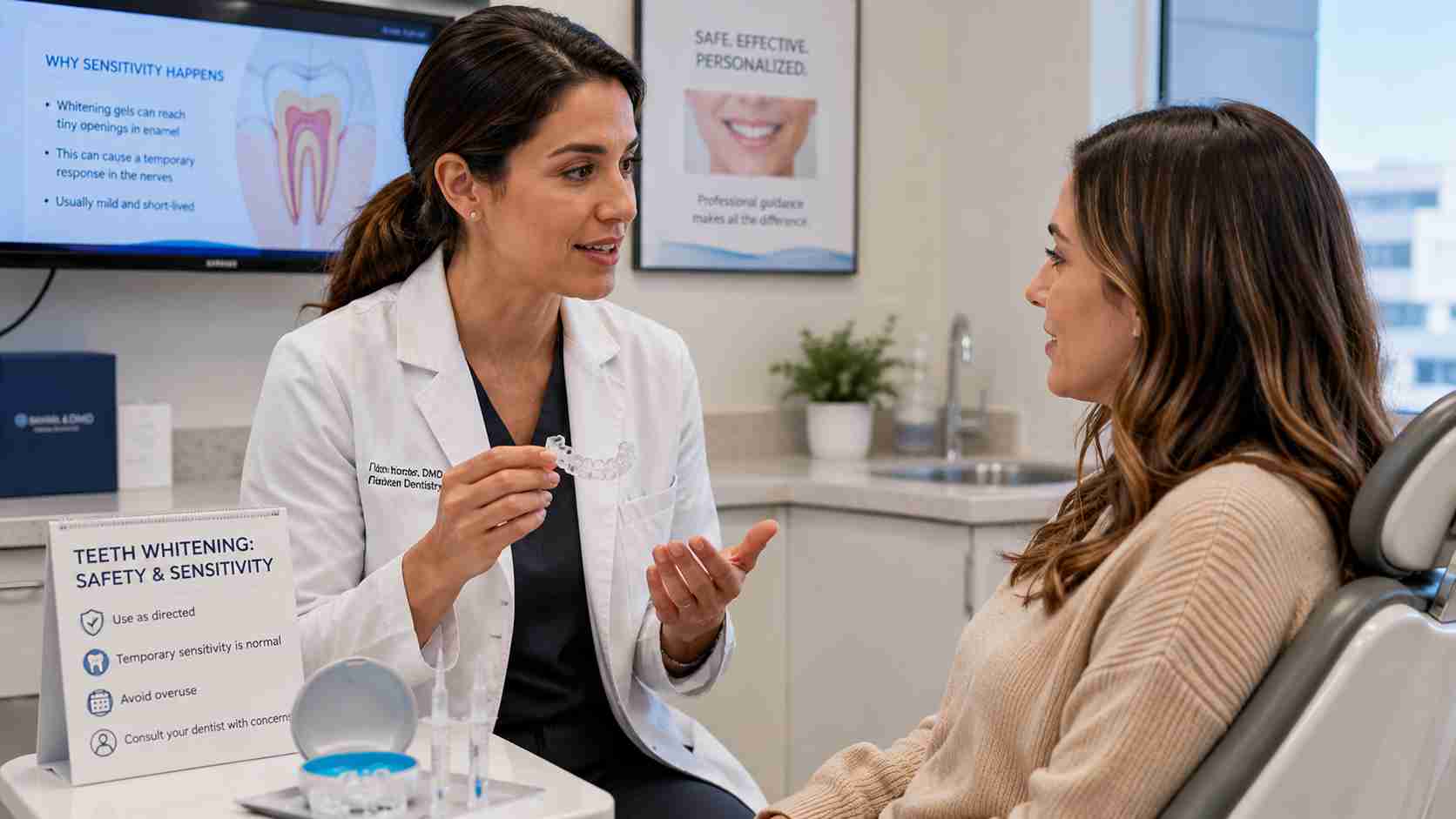
For many adults with healthy teeth and gums, appropriately used whitening products can be safe. However, “safe” doesn’t mean risk-free.
The most commonly reported issues are temporary tooth sensitivity and gum irritation.
Consider talking with a dentist before whitening if you have:
- Significant tooth sensitivity
- Untreated cavities
- Cracked or damaged teeth
- Gum problems
- Extensive dental restorations
- Uncertainty about the cause of discoloration
Children and adolescents also require special consideration. The ADA notes that pediatric dental guidance discourages full-arch cosmetic bleaching in younger patients with primary or mixed dentition.
The safest approach is not simply choosing the strongest product. It’s choosing an appropriate product and using it exactly as directed.
Frequently Asked Questions
What is the best Smile teeth whitening kit?
The best option depends on your whitening goals, sensitivity, stain type, budget, and dental history. Look for a clearly identified bleaching ingredient, transparent instructions, credible evidence, and appropriate safety information rather than choosing based solely on price or technology.
Do LED whitening kits work better?
An LED light does not automatically make a whitening system more effective. The bleaching formulation, concentration, application method, and treatment protocol remain important. Some professional whitening procedures use light activation, but at-home products differ in how much benefit their light component provides.
How long does home teeth whitening take?
Timing varies by product and formulation. Many at-home treatments require repeated applications over days or weeks, while professional whitening can produce faster visible changes. Always follow the specific treatment schedule rather than extending wear time yourself.
Can I whiten teeth if I have fillings or crowns?
You may be able to whiten your natural teeth, but fillings, crowns, veneers, and other tooth-colored restorations generally do not bleach like natural teeth. If they are visible, whitening can create a shade mismatch. Discuss your situation with a dentist before treatment.
What should I do if whitening makes my teeth sensitive?
Follow the product directions and don’t increase the amount or frequency of treatment. Temporary sensitivity is common, but persistent or severe discomfort should be discussed with a dentist. A dentist can also help determine whether a sensitivity-focused approach is appropriate.
Final Verdict: Choosing the Right Whitening Kit
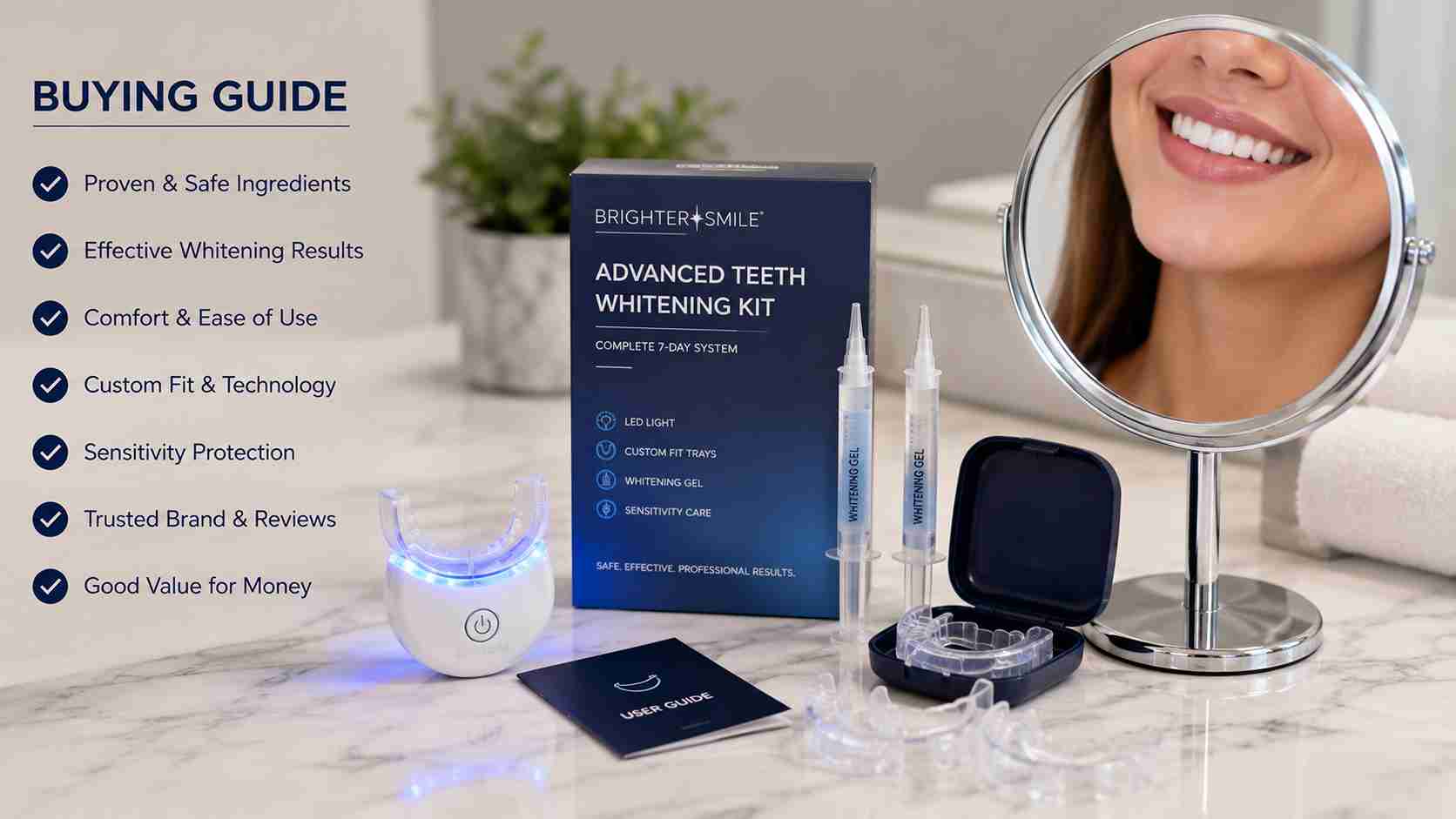
The smartest way to shop for an Smile teeth whitening kit is to ignore the hype and evaluate the fundamentals.
Start with the active ingredient. Then consider concentration, application method, tray or strip fit, treatment schedule, safety information, independent evaluation, and your own dental needs. An LED mouthpiece can be a useful feature, but it shouldn’t overshadow the chemistry and evidence behind the product.
For straightforward surface staining, an OTC whitening product may provide a convenient solution. For significant discoloration, sensitivity, restorations, or a need for predictable fast results, professional dental advice can be worth the additional cost.
Before buying, compare at least two or three products using the same criteria. And if you’re unsure whether whitening is appropriate for your teeth, a dental checkup is the most useful first step.
Read More: Advanced Teeth Whitening Kit