
Table of Contents
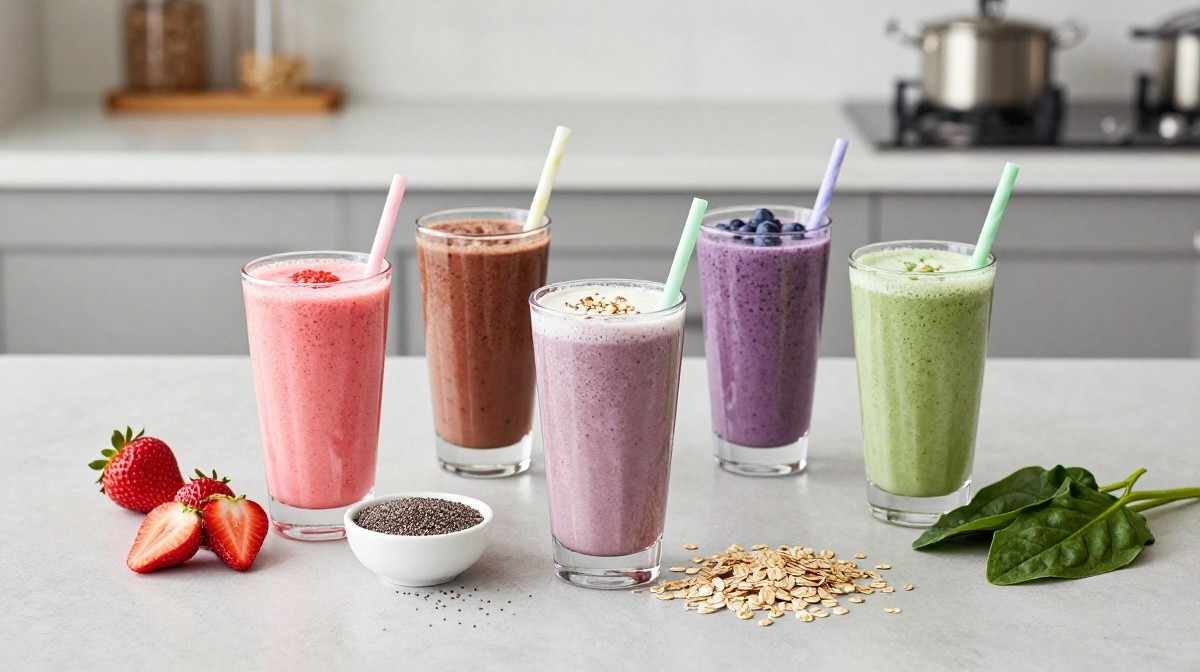
Losing weight doesn’t mean every meal has to be bland, tiny, or complicated. A well-built shake can be a convenient breakfast, post-workout meal, or snack when you’re short on time. The key is knowing what to put in the blender—and what to leave out.
The best protein shake recipes for weight loss combine enough protein with fiber-rich produce, sensible portions of carbohydrates and fats, and minimal added sugar. They should also taste good enough that you actually want to make them again.
In this guide, you’ll find practical recipes using everyday ingredients available across the U.S., along with calorie-conscious ingredient swaps, common mistakes, and tips for making shakes more satisfying.
Can Help With Protein Shakes Recipes for Weight Loss
Protein shakes don’t automatically cause weight loss. They can, however, make it easier to build a filling meal or snack while managing your overall calorie intake.
Protein is especially useful because it contributes to fullness and helps support lean tissue while you’re losing weight. A shake can also be easier to portion than a restaurant breakfast or an oversized convenience snack.
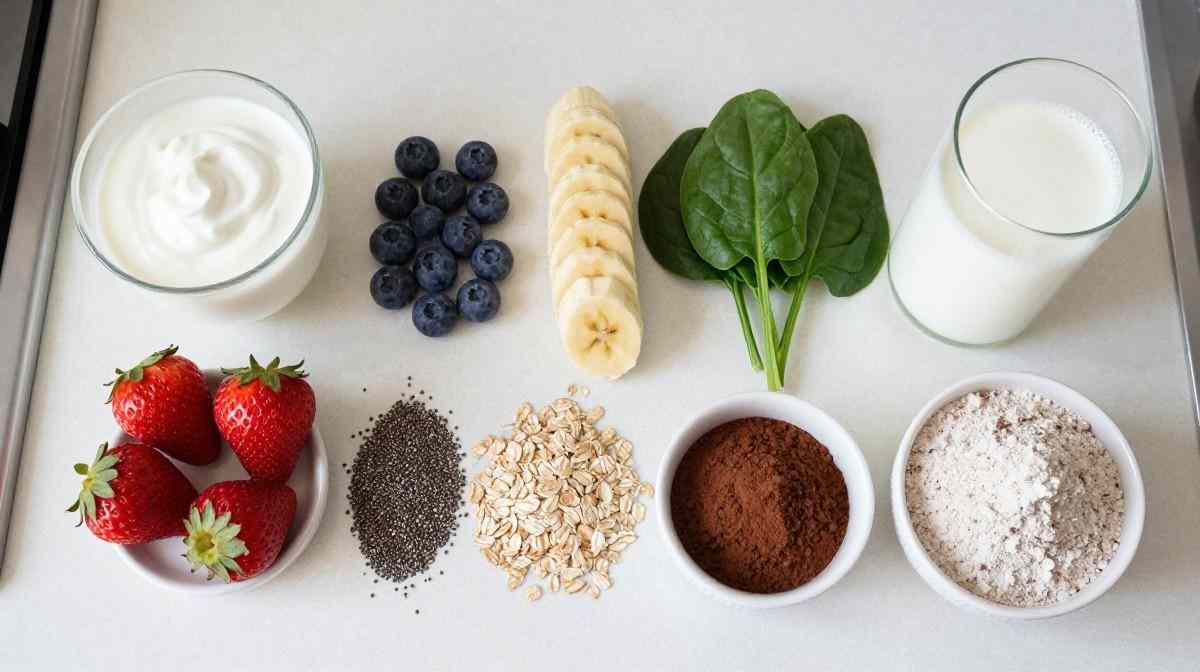
The most effective protein shake recipes for weight loss usually have four components:
| Component | Good choices | Why it helps |
| Protein | Greek yogurt, cottage cheese, protein powder, silken tofu | Helps make the shake more filling |
| Fiber | Berries, chia seeds, oats, spinach | Adds volume and supports digestive health |
| Liquid | Unsweetened milk, soy milk, water | Creates the right consistency |
| Flavor | Cinnamon, cocoa, vanilla, coffee, nut butter | Makes a healthy shake enjoyable |
You don’t need every ingredient in every shake. Think of this framework as a template rather than a strict formula.
The current Dietary Guidelines for Americans emphasize choosing whole, nutritious foods and using dietary patterns that support overall health.
7 Protein Shake Recipes for Weight Loss
These protein shake recipes for weight loss are designed to be flexible. Exact nutrition will vary depending on the brands and quantities you use, so check package labels if you’re tracking calories, protein, carbohydrates, or fat.
1. Strawberry Greek Yogurt Shake
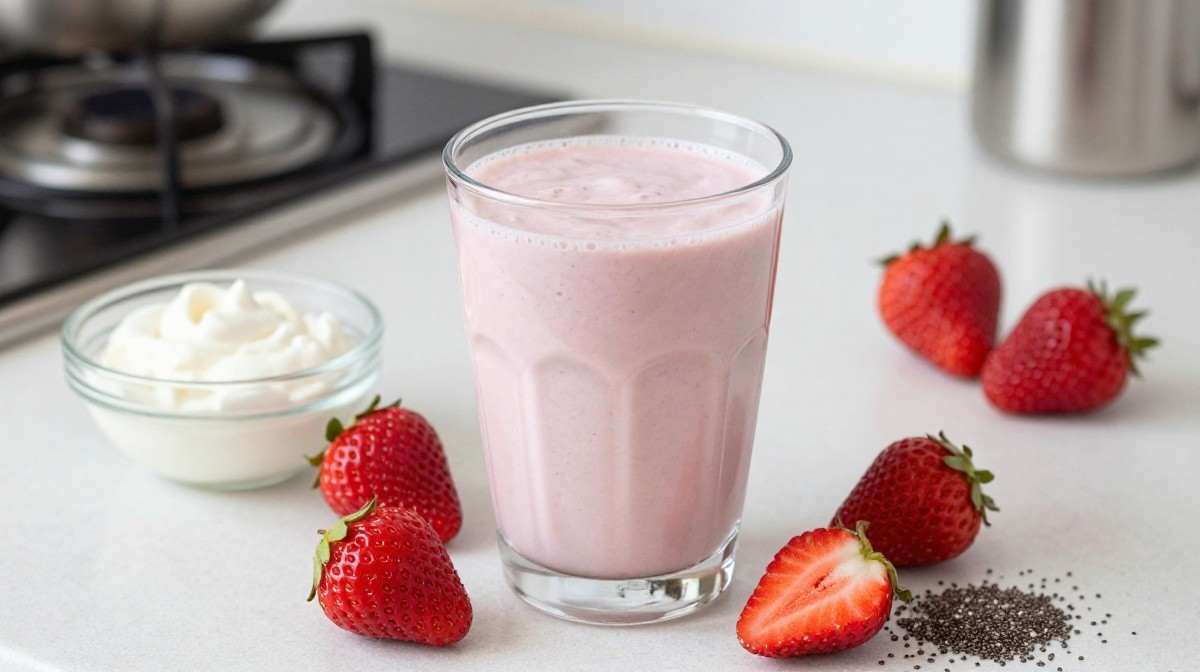
This is a simple option when you want something creamy without relying on a large amount of added sugar.
Ingredients:
- 1 cup frozen strawberries
- ¾ cup plain nonfat or low-fat Greek yogurt
- ½ cup unsweetened milk
- 1 tablespoon chia seeds
- ½ teaspoon vanilla extract
- Ice, as needed
Directions:
Blend everything until smooth. Add a splash more milk if the shake is too thick.
Why it works:
Greek yogurt provides protein and a creamy texture, while strawberries contribute sweetness and fiber. Frozen fruit also eliminates the need for much ice.
Practical tip:
If your strawberries aren’t very sweet, add a small amount of banana rather than several spoonfuls of syrup or sugar.
2. Chocolate Peanut Butter Banana Shake
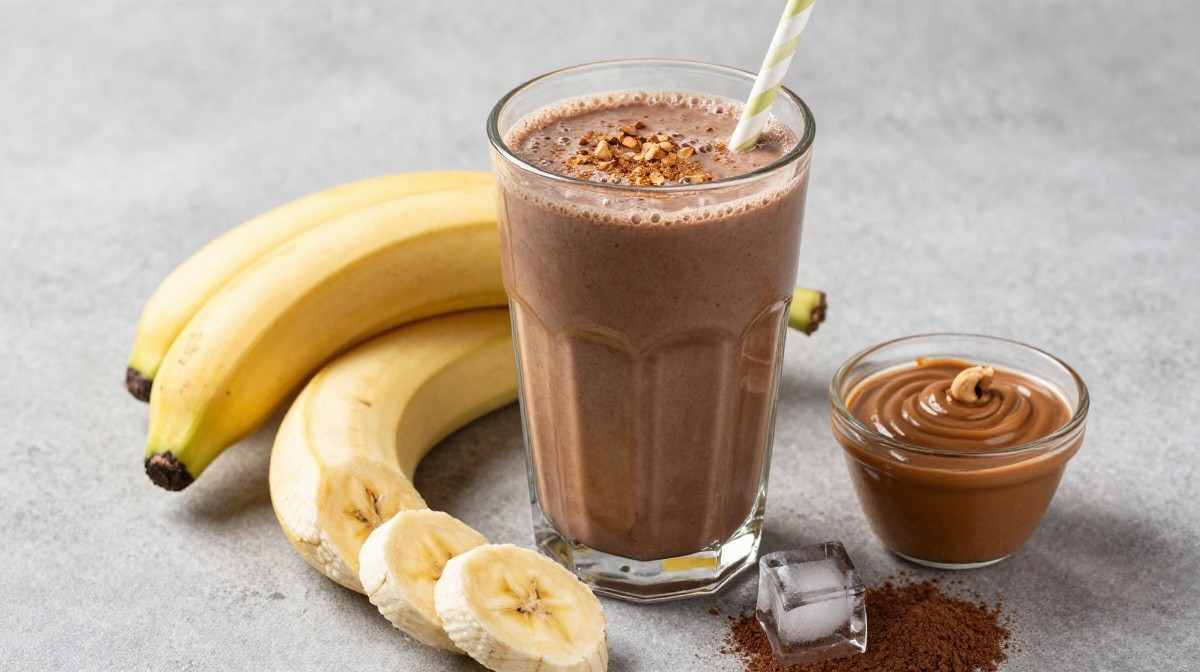
For many people, satisfying a chocolate craving is what makes healthy eating sustainable.
This is one of the more indulgent-tasting protein shake recipes for weight loss, but portion control matters because peanut butter and bananas can add calories quickly.
Ingredients:
- ½ medium banana, frozen
- 1 tablespoon natural peanut butter
- 1 tablespoon unsweetened cocoa powder
- ¾ cup unsweetened soy milk
- 1 scoop chocolate or unflavored protein powder
- Ice
Directions:
Blend until thick and smooth.
Smart swap:
Use powdered peanut butter if you want the peanut flavor with fewer calories than traditional peanut butter.
3. Blueberry Oat Breakfast Shake
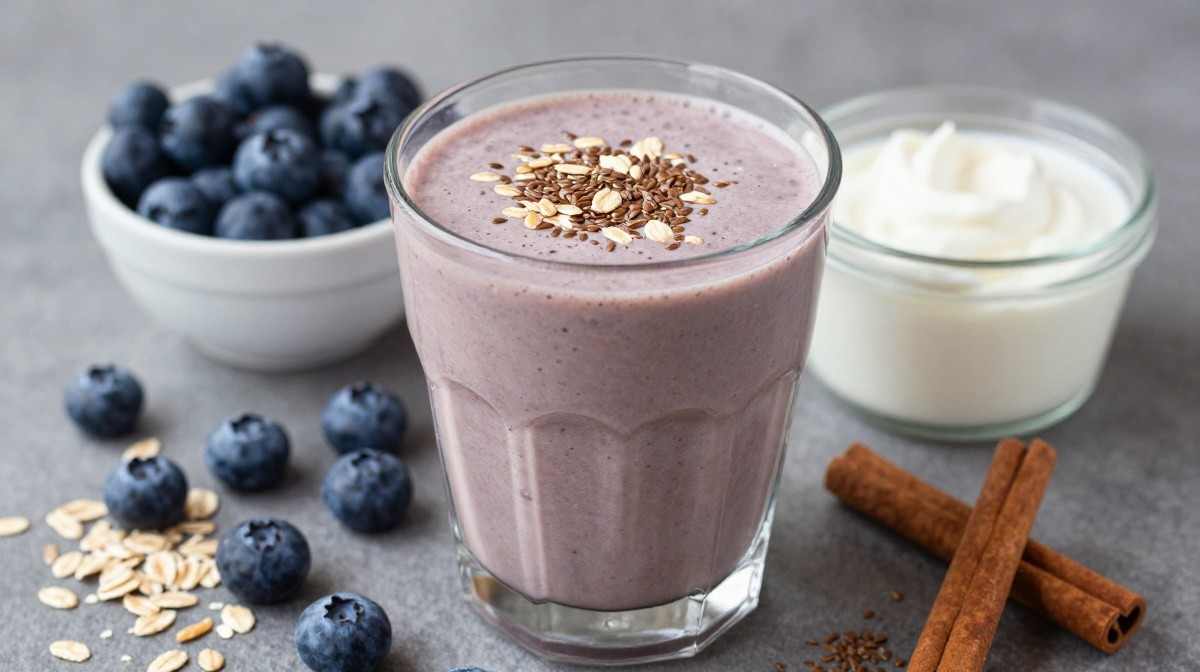
This shake is particularly useful when you need breakfast that can travel.
Ingredients:
- ¾ cup frozen blueberries
- ¼ cup rolled oats
- ¾ cup unsweetened milk
- ½ cup plain Greek yogurt
- 1 tablespoon ground flaxseed
- Cinnamon to taste
- Ice
Blend thoroughly, allowing the oats to break down completely.
The oats and berries provide carbohydrates and fiber, while yogurt supplies protein. If you’re preparing it the night before, blend it in the morning for the freshest texture.
4. Green Protein Shake
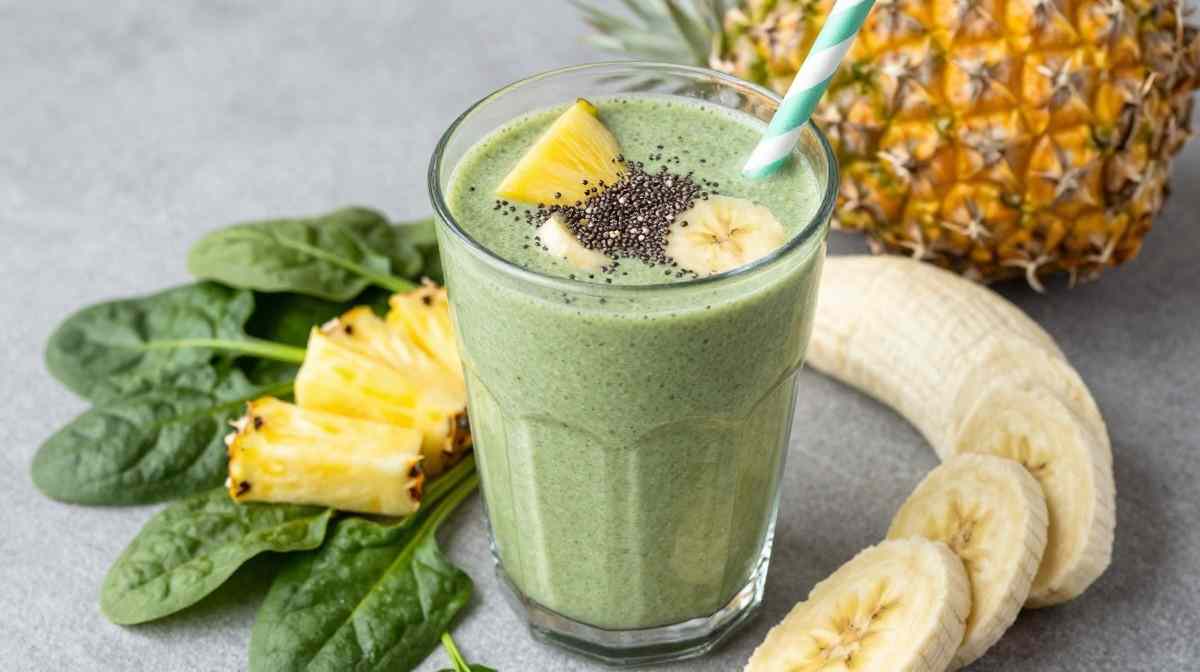
Don’t assume a green smoothie has to taste like salad.
Ingredients:
- 1 cup baby spinach
- ½ frozen banana
- ½ cup frozen pineapple
- ¾ cup unsweetened soy milk
- 1 scoop vanilla protein powder
- 1 tablespoon chia seeds
- Ice
Blend the spinach and liquid first, then add the remaining ingredients.
This is among the easiest protein shake recipes for weight loss to customize because spinach has a relatively mild flavor. You can also replace pineapple with berries if you prefer a less tropical taste.
5. Coffee Protein Shake
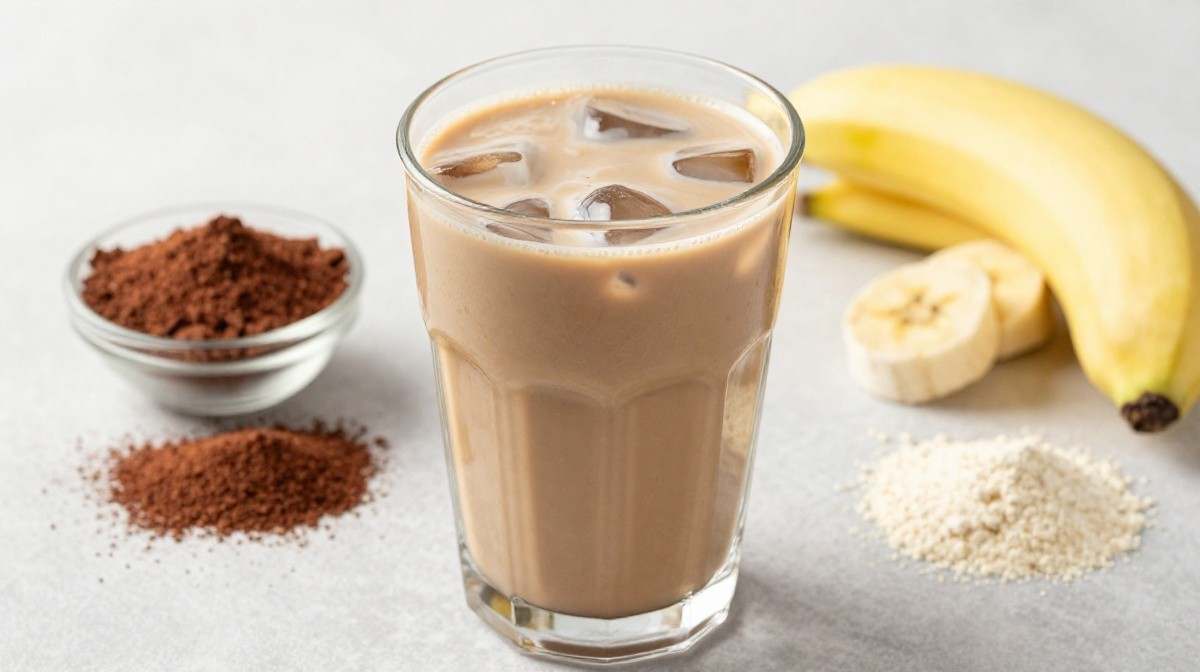
If you usually reach for a sugary coffee drink in the morning, this option can provide a similar convenience with more protein.
Ingredients:
- ½ cup chilled brewed coffee
- ½ cup unsweetened milk
- 1 scoop vanilla protein powder
- ½ frozen banana
- 1 teaspoon unsweetened cocoa powder
- Ice
- Cinnamon, optional
Blend until frothy.
Best use: This works well as a breakfast replacement when paired with enough protein and a reasonable portion of fruit or other fiber-rich ingredients.
Avoid turning it into a dessert by adding flavored syrups, whipped cream, caramel sauce, and large amounts of sweetened creamer.
6. Apple Cinnamon Protein Shake
This is a good choice when you want something reminiscent of apple pie without actually making dessert.
Ingredients:
- 1 small apple, cored and chopped
- ¾ cup unsweetened milk
- ½ cup Greek yogurt
- 1 tablespoon rolled oats
- ½ teaspoon cinnamon
- ¼ teaspoon vanilla extract
- Ice
Blend until smooth.
For a stronger apple flavor, use a naturally sweet variety such as Honeycrisp or Fuji. Keep the peel on for additional fiber if your blender can process it well.
7. Chocolate Cherry Protein Shake
Frozen cherries give this shake a rich flavor that pairs naturally with cocoa.
Ingredients:
- ¾ cup frozen dark cherries
- 1 tablespoon unsweetened cocoa powder
- ¾ cup unsweetened soy or dairy milk
- ½ cup Greek yogurt
- 1 scoop chocolate protein powder
- Ice, if needed
Blend until creamy.
This is one of the protein shake recipes for weight loss that can work particularly well as an afternoon snack because the combination of fruit, protein, and cocoa feels more substantial than a sweetened beverage.
How to Build a Weight-Loss-Friendly Protein Shake
Recipes are useful, but learning the formula gives you more flexibility.
Start with a protein source. Greek yogurt, cottage cheese, milk, soy milk, tofu, and protein powder can all work. Choose based on dietary preferences, taste, and your overall day’s protein intake.
Then add fruit or vegetables for flavor and volume. Berries are particularly convenient because they’re naturally sweet and easy to keep frozen.
Next, consider fiber. Chia seeds, flaxseed, oats, berries, and vegetables can help create a more substantial drink.
Finally, control calorie-dense additions.
A common mistake is making a “healthy” shake containing protein powder, whole milk, a banana, peanut butter, oats, honey, dates, coconut oil, and granola. Every ingredient may be nutritious, but the combination can become much closer to a full high-calorie meal than a light snack.
A useful rule is:
Choose one primary protein source, one fruit base, one fiber-rich addition, and one flavor booster.
Then adjust based on hunger and your nutritional needs.
Common Mistakes to Avoid
Even good protein shake recipes for weight loss can work against your goals if portions aren’t considered.
Mistake 1: Treating protein powder as a health food by itself
Protein powder is convenient, but it isn’t magic. Look at the full ingredient list and nutrition facts rather than choosing a product simply because its label says “high protein.”
Mistake 2: Adding too many calorie-dense ingredients
Nut butters, coconut products, full-fat dairy, seeds, oats, dates, and honey can all have a place in a balanced diet. The issue is stacking several of them into one drink without considering the total portion.
Mistake 3: Drinking calories without noticing them
Liquid calories can be easy to consume quickly. If your shake leaves you hungry 30 minutes later, consider adding more fiber, choosing a thicker texture, or eating whole foods alongside it.
Mistake 4: Using raw eggs for extra protein
Raw eggs aren’t necessary in a homemade shake. The FDA notes that fresh eggs can contain Salmonella and recommends cooking eggs thoroughly; pasteurized egg products are the safer choice for recipes where eggs remain uncooked.
Mistake 5: Assuming “natural” means low calorie
Honey, maple syrup, dates, nut butter, and fruit are perfectly reasonable foods, but calories still count. Weight management depends on the overall dietary pattern, not whether an ingredient sounds wholesome.
How to Make Your Shake More Filling
The best protein shake recipes for weight loss aren’t necessarily the ones with the fewest calories. They’re the ones that fit your hunger, schedule, and overall diet.
Try these adjustments:
- Make it thicker: Frozen fruit and Greek yogurt create a spoonable texture that can slow down how quickly you consume it.
- Add fiber: Chia, flax, oats, berries, and vegetables are easy options.
- Use enough protein: A tiny amount of protein powder may not make a shake particularly satisfying.
- Eat slowly: Pour the shake into a glass rather than automatically drinking it while working or driving.
- Pair strategically: If a shake is only a snack, you may not need to turn it into a 600-calorie meal. If it replaces breakfast, it may need more substance.
- Plan ahead: Keep frozen fruit, yogurt, milk, and measured portions of add-ins available so a nutritious option is easier than takeout.
A Simple Portioning Method
Instead of memorizing recipes, start with:
- Protein: one substantial serving
- Fruit or vegetables: about ½–1 cup
- Liquid: enough to blend
- Fiber: one modest serving
- Flavor: cinnamon, cocoa, vanilla, coffee, or a small amount of nut butter
Then adjust according to your nutritional requirements and hunger.
When Should You Drink a Protein Shake?
There isn’t a universally superior time to drink a protein shake for weight loss.
You can have one at breakfast, after exercise, between meals, or whenever it conveniently helps you meet your nutritional needs.
For someone who routinely skips breakfast and then overeats at lunch, a balanced morning shake may be useful. Someone who already eats a satisfying breakfast may get more value from using one as an afternoon snack.
The important question is not “What time burns the most fat?” but “Does this shake help me maintain a sustainable eating pattern?”
If you’re exercising regularly, a protein-rich meal or snack can also be a convenient way to include protein around your training schedule.
How to Choose Protein Powder
Protein powder is optional. You can make high-protein shakes from foods such as Greek yogurt, cottage cheese, milk, soy milk, or tofu.
If you use a powder, compare products based on:
- Protein per serving
- Added sugar
- Calories per serving
- Ingredient list
- Allergens
- Taste and texture
- Whether it fits your dietary requirements
Don’t assume the most expensive product is automatically the best.
For people with food allergies, kidney disease, pregnancy, or other medical considerations, individualized dietary advice may be appropriate. A registered dietitian or qualified healthcare professional can help determine an appropriate protein intake.
FAQ: Protein Shakes and Weight Loss
Are protein shakes good for losing weight?
They can be useful when they help you control portions, increase protein intake, or replace a less nutritious meal or snack. They don’t cause weight loss by themselves.
How much protein should a weight-loss shake contain?
There isn’t one amount that suits everyone. Your needs depend on factors such as body size, age, activity level, total diet, and health status. Instead of chasing a specific number, build the shake around a meaningful protein source and consider your intake across the entire day.
Can I drink a protein shake every day?
Yes, a protein shake can fit into a daily eating pattern if the overall diet remains varied and nutritionally adequate. It shouldn’t routinely replace a wide range of whole foods.
Are protein shakes better than eating whole foods?
Not necessarily. Whole foods provide a broader range of nutrients and textures. Shakes are mainly useful for convenience. The right choice depends on what helps you maintain a balanced eating pattern.
Can I make protein shakes without protein powder?
Absolutely. Greek yogurt, cottage cheese, milk, soy milk, and silken tofu can all contribute protein. Several of the protein shake recipes for weight loss above work without relying heavily on powdered supplements.
Conclusion
The most useful protein shake recipes for weight loss are the ones you can make consistently without feeling deprived. Start with a solid protein source, add fruit or vegetables, include a fiber-rich ingredient, and be deliberate with calorie-dense extras.
A shake isn’t a shortcut to fat loss, but it can be a practical tool for building a more satisfying and convenient diet. Experiment with the recipes above, keep the ingredients you genuinely enjoy, and adjust portions to fit your overall nutritional needs.
For the best results, think beyond the blender: pair your shakes with regular movement, adequate sleep, nutritious whole foods, and an eating pattern you can realistically maintain.
Start with one recipe this week, track how filling it feels, and adjust the ingredients based on your appetite and goals.
Read More: Dr Oz Gelatin Recipe for Weight Loss: The Truth About the Viral Gelatin Trick