
Table of Contents
If you’ve seen people talking about a jello weight loss recipe, you may be wondering whether it’s a legitimate nutrition strategy or simply another internet diet trend. The answer is a little more nuanced than the viral posts suggest.
What is the jello weight loss recipe?
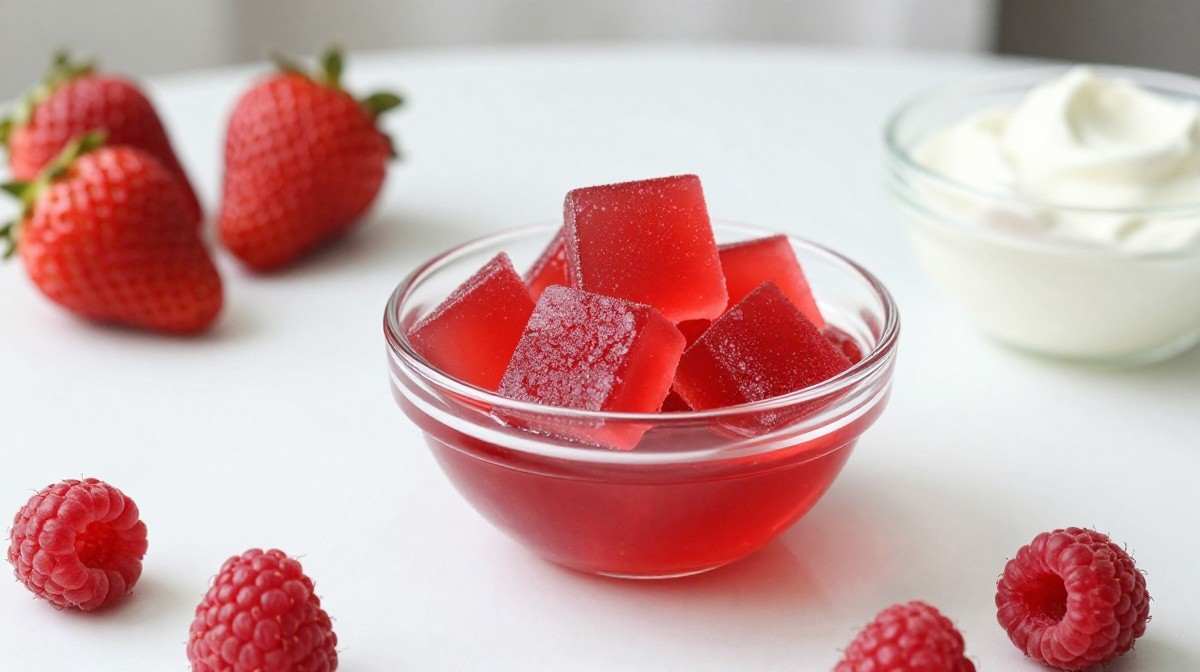
In most versions, it’s a low-calorie gelatin snack made with sugar-free Jell-O, hot water, and sometimes ingredients such as Greek yogurt, cottage cheese, fruit, or protein powder. The idea is to create a sweet, filling snack without adding many calories.
That can be useful-but Jell-O itself isn’t a fat-burning food. Sustainable weight management comes from your overall eating pattern, calorie intake, physical activity, sleep, and other lifestyle factors. The CDC emphasizes reducing calorie intake while maintaining adequate nutrition rather than relying on a single food or recipe.
This guide explains the recipe, why people use it, which version makes the most nutritional sense, common mistakes, and how to fit it into a balanced weight-loss plan in the U.S.
What Is the Jello Weight Loss Recipe?
The jello weight loss recipe is generally a low-calorie gelatin snack based on sugar-free Jell-O or another sugar-free gelatin mix.
A basic version requires only:
| Ingredient | Typical amount |
| Sugar-free Jell-O | 1 small box |
| Boiling water | 1 cup |
| Cold water | 1 cup |
Prepare the gelatin according to the package directions, refrigerate it until firm, and divide it into portions.
Some versions add Greek yogurt or protein powder to make the snack more substantial. Others use fruit for extra flavor and texture.
Why did this recipe become popular?
There are a few obvious reasons:
- It’s sweet without requiring a large dessert.
- Sugar-free gelatin is relatively low in calories.
- It’s inexpensive and easy to prepare.
- You can make several servings in advance.
- The gelatin texture gives it more volume than many small sweet snacks.
However, “low calorie” doesn’t automatically mean “good for weight loss.” The bigger question is what the snack replaces and whether the rest of your diet supplies enough protein, fiber, vitamins, minerals, and healthy fats.
The Best Jello Weight Loss Recipe to Try
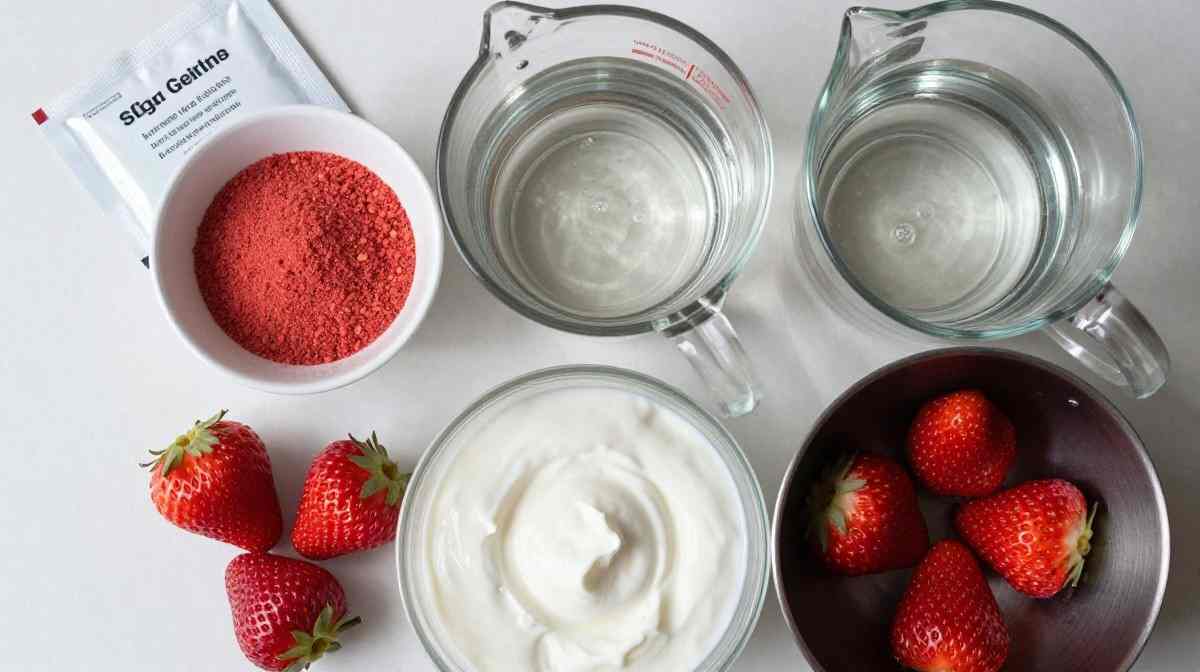
If your goal is simply to make a lighter dessert, plain sugar-free gelatin is the easiest choice. If you’re using it as a snack between meals, however, adding a protein-rich ingredient can make more sense.
Higher-protein gelatin snack Ingredients
- 1 small box sugar-free Jell-O
- 1 cup boiling water
- ½ cup cold water
- ½ cup plain Greek yogurt
- Optional: berries, cinnamon, or a small amount of vanilla extract
Directions
- Dissolve the gelatin completely in boiling water.
- Stir in the cold water.
- Allow the mixture to cool slightly.
- Fold in Greek yogurt until reasonably smooth.
- Add a small portion of berries if desired.
- Refrigerate until set.
The exact calories and protein will depend on the gelatin brand, yogurt, fruit, and portion size, so check the Nutrition Facts labels on the products you use.
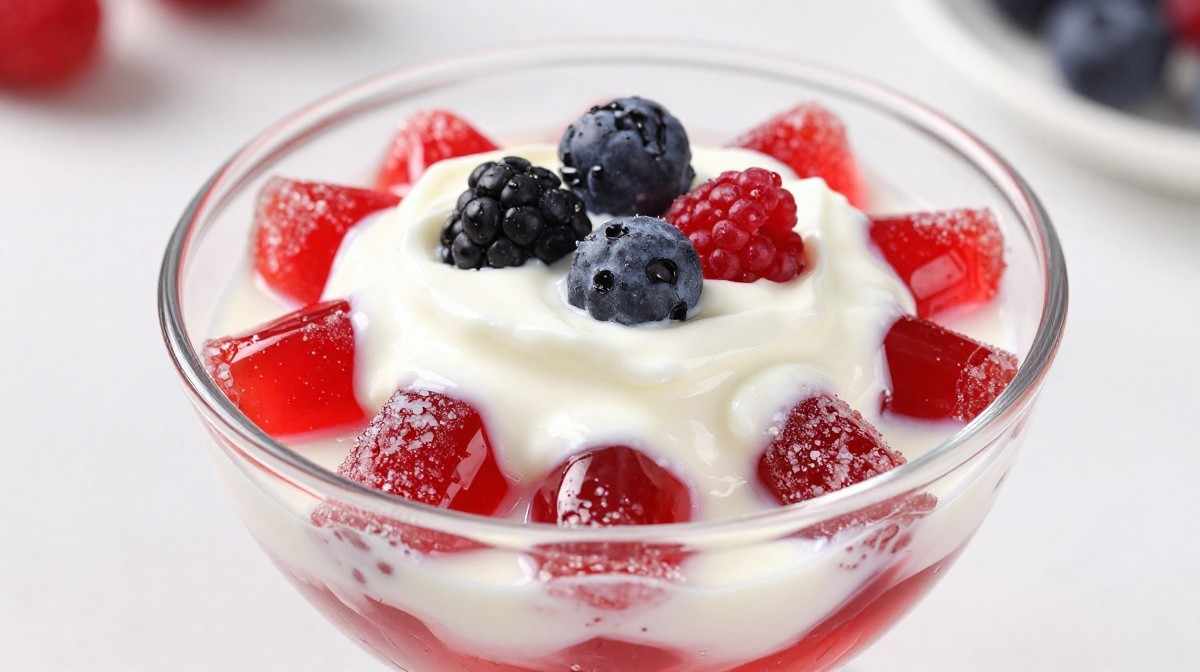
Why add Greek yogurt?
Protein can improve fullness and satisfaction, which is one reason protein-rich foods are commonly included in weight-management diets. Individual protein needs vary according to factors such as age, body size, activity level, and health status
This doesn’t make the dessert a special weight-loss treatment. It simply turns a mostly sweet snack into a somewhat more balanced option.
Can Jell-O Actually Help You Lose Weight?
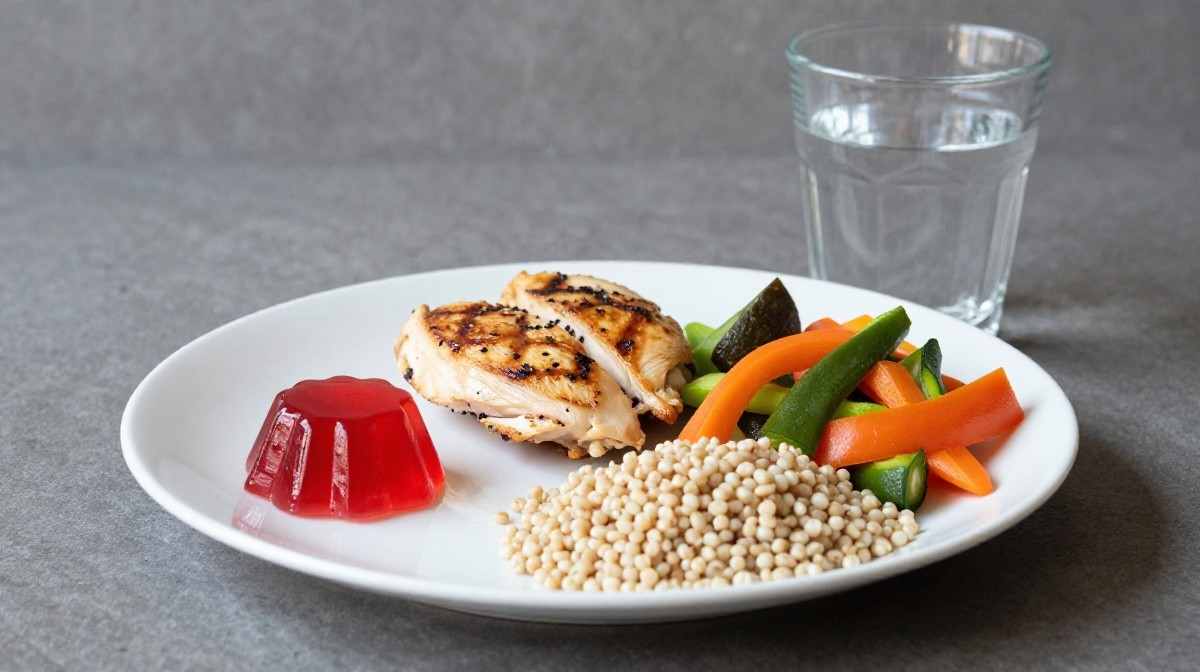
The short answer is it can fit into a weight-loss diet, but it doesn’t independently cause fat loss.
Weight loss generally requires your body to use more energy than you consume over time. The CDC recommends approaches that reduce calorie intake while maintaining adequate nutrition rather than depending on extreme restriction.
So, imagine you normally eat a 400-calorie dessert after dinner. Replacing it with a 50-calorie serving of sugar-free gelatin could reduce your overall calorie intake.
That’s where the potential benefit comes from.
It’s the calorie substitution, not a special property of Jell-O, that matters.
A practical example
Suppose you enjoy something sweet every evening.
Option A: A portion of sugar-free gelatin with berries and Greek yogurt
If Option B satisfies you and contains substantially fewer calories, it may help you maintain the calorie deficit needed for weight loss.
But if the gelatin leaves you hungry and you later eat cookies, chips, or another dessert, the supposed calorie savings may disappear.
That’s why satiety matters just as much as the number printed on the package.
How to Make the Recipe More Filling
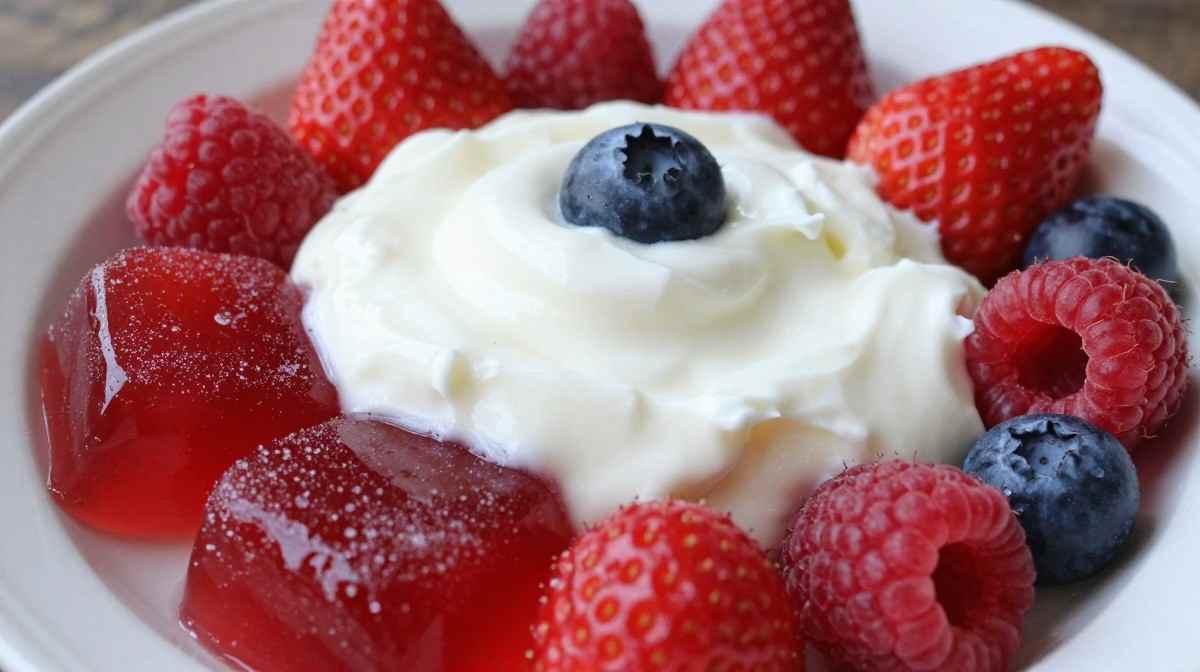
The simplest jello weight loss recipe is convenient, but plain gelatin isn’t nutritionally complete. If you’re hungry again 30 minutes later, it may not be doing much for you as a snack.
Consider pairing it with foods that provide protein or fiber.
Add protein
Try serving gelatin alongside:
- Plain Greek yogurt
- Cottage cheese
- A small serving of nuts
- A protein-rich breakfast or lunch if the gelatin is being used as dessert
Protein is important for maintaining muscle and can help with fullness. Cleveland Clinic notes that protein can contribute to greater satisfaction after eating and may support weight management as part of a balanced diet.
Add fruit
Fresh or frozen berries can provide flavor, texture, vitamins, minerals, and fiber.
The CDC specifically recommends incorporating fruits and vegetables into healthy weight-management patterns because they provide fiber and important nutrients while helping add volume to meals.
Good choices include:
- Strawberries
- Raspberries
- Blueberries
- Blackberries
- Peaches
Be mindful of portions if you’re adding sweetened canned fruit or fruit packed in syrup.
Don’t turn it into a calorie-heavy dessert
A common mistake is starting with low-calorie gelatin and then adding:
- Large amounts of whipped cream
- Sugary syrups
- Candy
- Sweetened condensed milk
- High-calorie toppings
At that point, the nutritional advantage can disappear quickly.
Jello Weight Loss Recipe: Benefits and Limitations
There are genuine advantages to using sugar-free gelatin occasionally, but they’re easy to overstate.
| Potential advantage | Limitation |
| Low-calorie dessert option | Doesn’t burn body fat |
| Easy to prepare | Usually low in fiber |
| Portion-friendly | Plain gelatin isn’t a complete meal |
| Can satisfy a sweet craving | Some versions contain little protein |
| Inexpensive | Doesn’t replace a balanced diet |
The most useful way to think about it is as a tool for managing food choices, not as a diet in itself.
Benefit: portion control
Making gelatin in individual containers can make portions easy to manage. This can be particularly useful if desserts are an area where you tend to overeat.
Benefit: replacing higher-calorie sweets
A lower-calorie dessert can help create room in your daily calorie budget for nutritious foods.
Limitation: low nutritional variety
A diet built heavily around gelatin can leave gaps in protein, fiber, healthy fats, vitamins, and minerals.
The current U.S. Dietary Guidelines emphasize nutrient-dense choices and limiting foods and beverages high in added sugars when managing calorie intake.
Common Mistakes With the Jell-O Diet Trend
Searches for the jello weight loss recipe sometimes lead people toward extremely restrictive versions of the idea. That’s where caution is warranted.
Mistake 1: Eating Jell-O instead of meals
Gelatin shouldn’t become your primary source of nutrition.
A healthy weight-loss plan still needs adequate calories, protein, fiber, essential fats, and micronutrients. Extremely restrictive approaches can make it difficult to meet those needs.
Mistake 2: Assuming sugar-free means unlimited
A food can be low in calories without being appropriate to eat endlessly.
Large portions may also encourage you to rely on artificially sweetened foods instead of developing a varied eating pattern.
Mistake 3: Expecting rapid fat loss
A sudden change on the scale isn’t necessarily body-fat loss. Body weight can fluctuate because of water, glycogen, food volume, sodium, and other factors.
Be skeptical of claims that a particular gelatin recipe melts fat or produces dramatic results without changes to overall calorie intake and lifestyle.
Mistake 4: Ignoring protein and fiber
If every snack is essentially gelatin, you may miss nutrients that make meals more satisfying.
Instead, use gelatin as one small part of a broader pattern that includes vegetables, fruit, whole grains, lean proteins, beans, nuts, and other nutrient-dense foods.
Mistake 5: Treating social-media recipes as medical advice
Viral recipes aren’t necessarily tested for safety, nutritional adequacy, or suitability for people with medical conditions.
If you have diabetes, kidney disease, digestive conditions, food allergies, or other dietary restrictions, discuss significant diet changes with your healthcare professional.
How to Use Jell-O in a Healthy Weight-Loss Plan
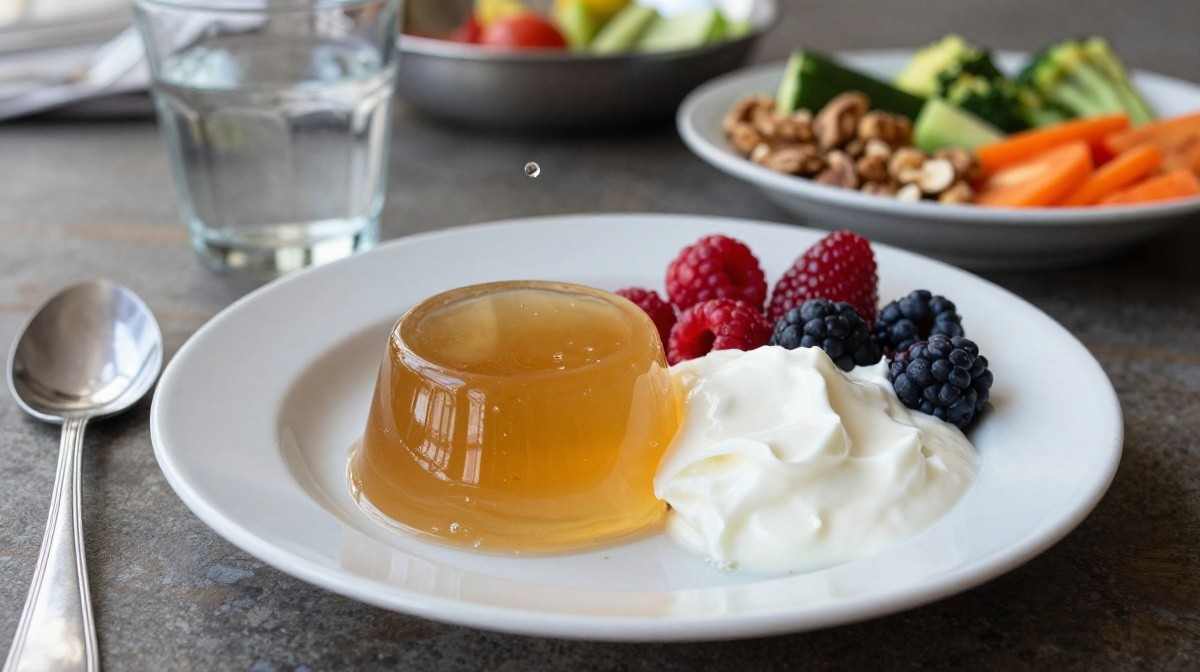
Instead of following a strict “Jell-O diet,” use the recipe strategically.
A practical approach is:
- Build meals around nutritious foods. Include a protein source, vegetables or fruit, and appropriate portions of carbohydrates and fats.
- Use gelatin as an occasional dessert. It can replace a higher-calorie sweet when you genuinely enjoy it.
- Increase satiety when necessary. Pair it with Greek yogurt or another protein-rich food.
- Watch the total diet. Your daily and weekly eating pattern matters more than one snack.
- Stay physically active. Nutrition and physical activity work together as part of healthy weight management
- Track results realistically. Look at trends over several weeks rather than judging your progress from a single weigh-in.
For someone in the United States, this approach also makes the recipe easy to adapt to familiar grocery-store products. Compare Nutrition Facts labels rather than assuming every “sugar-free” gelatin product has identical calories, carbohydrates, sweeteners, or ingredients.
Frequently Asked Questions
What is the jello weight loss recipe?
The jello weight loss recipe usually refers to sugar-free gelatin prepared as a low-calorie snack, sometimes combined with Greek yogurt, fruit, or protein-rich ingredients. It may help reduce calories when used instead of a higher-calorie dessert, but it does not directly burn fat.
Can I eat Jell-O every day while losing weight?
You can include a serving of sugar-free gelatin in a balanced diet if it fits your nutritional needs and overall calorie intake. However, eating large amounts of gelatin instead of nutritious foods isn’t a sound weight-loss strategy.
Is sugar-free Jell-O good for weight loss?
Sugar-free Jell-O can be useful as a lower-calorie alternative to some desserts. Its usefulness depends on what it replaces and whether your overall diet remains nutritionally adequate.
Does gelatin burn belly fat?
No. There is no good reason to treat gelatin as a belly-fat-burning food. Reducing body fat requires an overall energy deficit, supported by an appropriate eating pattern and lifestyle.
What can I add to Jell-O to make it more filling?
Greek yogurt, cottage cheese, or a small serving of fruit can make a gelatin snack more substantial. Choose additions based on your calorie needs, dietary preferences, and nutritional goals.
The Final Conclusion
The jello weight loss recipe is best understood as a low-calorie dessert or snack idea-not a magic weight-loss formula.
Sugar-free gelatin can be useful when it replaces a higher-calorie sweet and helps you stay within your overall calorie needs. Adding Greek yogurt or fruit can make the snack more satisfying and nutritionally useful.
The bigger picture matters far more: prioritize nutrient-dense foods, adequate protein and fiber, sensible portions, regular physical activity, and a calorie intake appropriate for your goals. The CDC recommends gradual, sustainable approaches that maintain adequate nutrition rather than extreme restriction.
CTA: If you enjoy Jell-O, keep it in your toolbox-but don’t make it the foundation of your diet. Build a balanced eating pattern first, then use simple low-calorie treats like gelatin to make that plan easier to maintain.
Read More: 13 Protein Shake Recipes for Weight Loss That Actually Taste Good