
Table of Contents
If you have been searching for prodentim reviews, you have probably seen two very different kinds of information: enthusiastic testimonials promising fresher breath and healthier gums, and skeptical opinions questioning whether an oral probiotic can deliver meaningful results.
ProDentim is marketed as an oral-health dietary supplement built around probiotic ingredients. The idea behind oral probiotics is scientifically plausible: certain beneficial bacteria may influence the balance of microorganisms in the mouth. However, research on oral probiotics is still developing, and evidence for one specific commercial supplement cannot automatically be inferred from studies involving other probiotic strains or products.
This guide takes a closer look at what ProDentim is, what its ingredients are intended to do, what current research says about oral probiotics, potential advantages and limitations, and what U.S. consumers should consider before purchasing it.
What Is ProDentim?
ProDentim is marketed as an oral probiotic supplement designed to support the oral microbiome.
Unlike conventional toothpaste or mouthwash, an oral probiotic takes a different approach. Instead of primarily removing plaque or delivering fluoride, probiotics are intended to introduce or support microorganisms that may help maintain a healthier microbial environment.
When researching prodentim reviews, it is important to separate three different questions:
- Does the general concept of oral probiotics have scientific support?
- Do particular probiotic strains have evidence for oral-health benefits?
- Does that evidence prove that ProDentim itself produces the advertised results?
Those questions are not interchangeable.
Research has found promising results for some probiotic strains in areas such as gingivitis and periodontal health, but researchers continue to emphasize differences between strains, doses, delivery methods, study populations, and treatment durations.
ProDentim at a glance
| Factor | What to know |
| Product type | Oral-health dietary supplement |
| Main concept | Probiotic support for the oral microbiome |
| Intended use | General oral-health support |
| Not a replacement for | Brushing, fluoride toothpaste, flossing, or professional dental care |
| Evidence level | Oral probiotics show promise, but evidence varies by strain and outcome |
| FDA approval | Dietary supplements are not FDA-approved for safety and effectiveness before marketing |
That last point matters when evaluating prodentim reviews. In the United States, the FDA does not pre-approve dietary supplements for safety and effectiveness in the same way it approves prescription drugs. Manufacturers are responsible for ensuring their products comply with applicable requirements.
What Does the Research Say About Oral Probiotics?
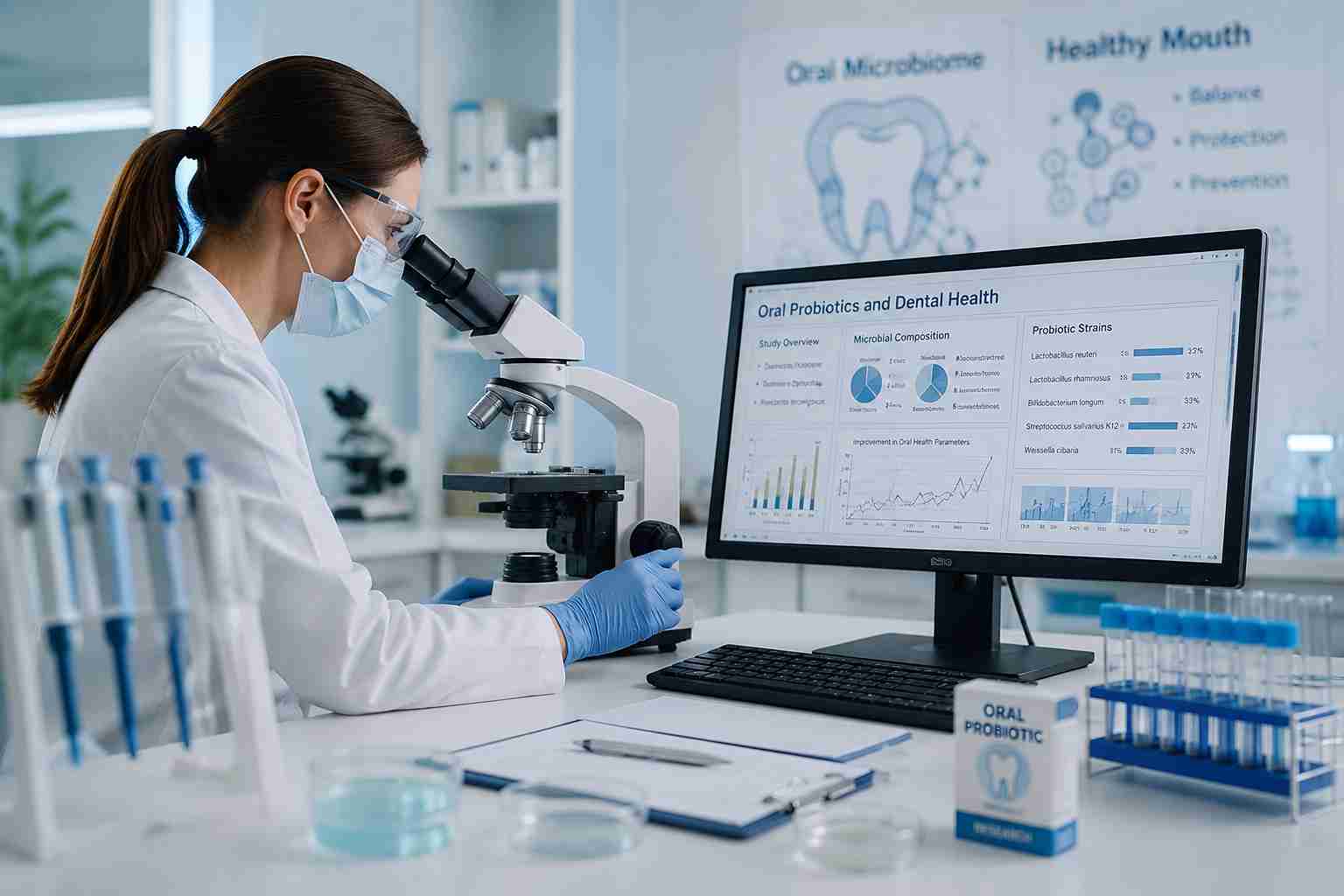
The most important point in prodentim reviews is that research on probiotics should be judged at the strain and outcome level, rather than simply assuming that every probiotic product works the same way.
A 2024 systematic review examining Lactobacillus rhamnosus and Lactobacillus plantarum found potentially beneficial effects in some studies involving caries and periodontal conditions. However, the researchers also noted that the evidence for microbiological benefits was weaker and that clinical outcomes varied.
A newer systematic review published in 2025 examined probiotics and dental-caries prevention. Many included studies reported reductions in Streptococcus mutans levels, but results varied depending on the probiotic strain, dosage, delivery method, and population.
The National Center for Complementary and Integrative Health takes a similarly cautious position. It notes that research into probiotics for dental problems is limited, with insufficient evidence to draw firm conclusions for some uses.
Why probiotic strain matters
Not all probiotics behave identically.
A probiotic strain studied in a clinical trial is not automatically equivalent to another strain simply because both belong to the same bacterial species. Researchers may also use different:
- Colony-forming unit amounts
- Delivery systems
- Treatment periods
- Patient populations
- Combinations of strains
- Clinical endpoints
This is one reason consumers should be cautious about broad claims that a probiotic supplement is clinically proven simply because “probiotics” have been studied.
ProDentim Ingredients: What Should You Look For?
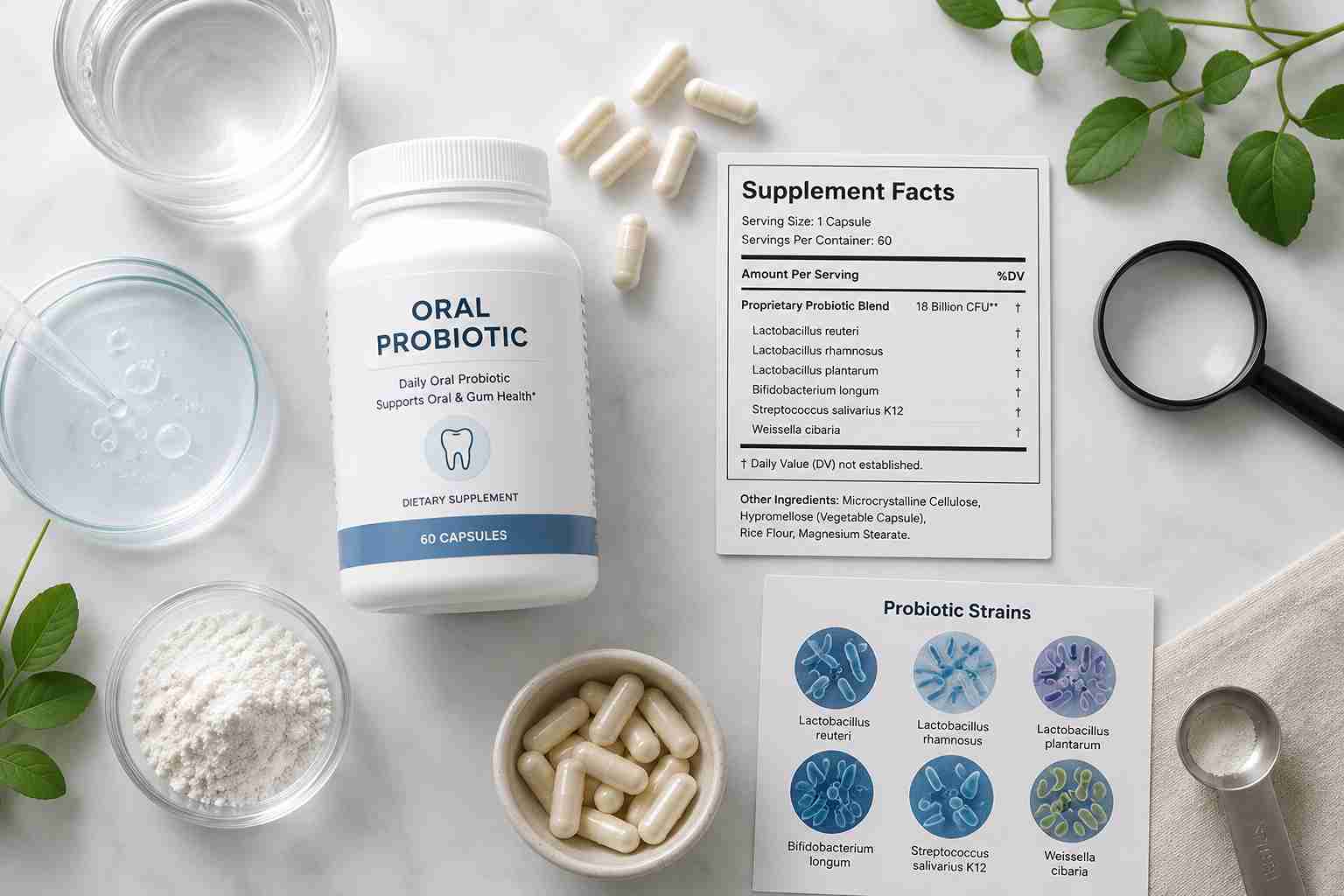
When reading prodentim reviews, ingredient information deserves more attention than testimonials.
The first thing to examine is the actual Supplement Facts panel on the package you receive. Look for the specific probiotic strains, amounts per serving, serving instructions, and any other active ingredients.
A useful evaluation checklist includes:
1. Specific probiotic strains
Look for full strain identification rather than only a broad category such as “probiotics.”
For example, Lactobacillus is a genus, while a complete strain designation provides substantially more information about what was actually studied.
2. Amount per serving
A higher number of colony-forming units does not automatically mean a better product. The relevant question is whether the amount and strain have evidence supporting the intended use.
3. Transparent labeling
Consumers should be able to determine what they are taking and how much they are taking.
4. Manufacturing information
Quality-control practices matter for supplements because the contents need to match the label and remain stable through the product’s shelf life.
5. Independent testing
Third-party testing can provide additional information about identity, purity, potency, or contaminants, although consumers should verify exactly what an organization tested rather than assuming every certification covers every quality issue.
When comparing prodentim reviews, a detailed ingredient analysis is therefore more useful than simply counting five-star testimonials.
Potential Benefits of an Oral Probiotic
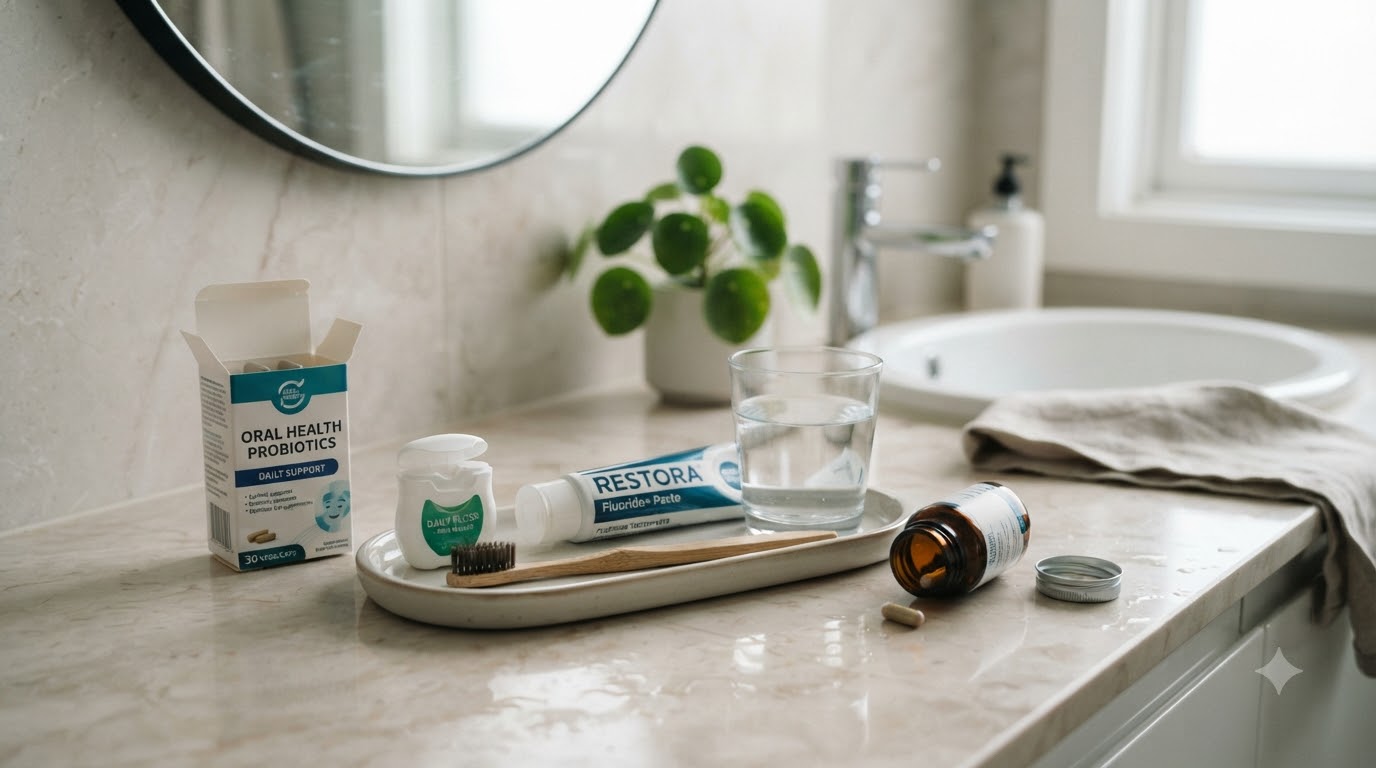
What can an oral probiotic realistically contribute to your dental routine?
The answer depends on the formulation and the individual, but research suggests several areas worth investigating.
Supporting the oral microbiome
Your mouth contains a complex community of microorganisms. The goal of probiotic therapy is not necessarily to eliminate all bacteria. Instead, it is to influence the microbial environment in a potentially beneficial direction.
Supporting gum health
Some systematic reviews have reported improvements in measures such as bleeding, gingival inflammation, or periodontal pocket depth when probiotics were used alongside conventional periodontal treatment.
That does not mean a probiotic should replace professional periodontal treatment.
For someone with persistent gum bleeding, swelling, recession, loose teeth, or deep periodontal pockets, a dentist needs to identify the underlying problem.
Supporting fresh breath
Bad breath can have many causes, including tongue coating, plaque, dry mouth, gum disease, certain foods, tobacco use, and some medical conditions.
A probiotic may be interesting as an additional oral-health strategy, but persistent bad breath should not automatically be attributed to an unhealthy oral microbiome.
Possible cavity-related benefits
This is an area where expectations should remain conservative.
Some clinical studies have reported reductions in cavity-associated bacteria, but reducing bacterial counts does not necessarily mean preventing cavities. A 2016 meta-analysis concluded that evidence was insufficient to recommend probiotics for managing dental caries.
For cavity prevention, established measures such as fluoride toothpaste, regular brushing, interdental cleaning, dietary habits, and professional dental care remain much more important.
What ProDentim Reviews May Get Wrong
One of the biggest problems with online supplement content is treating testimonials as clinical evidence.
A customer saying, “My mouth feels cleaner after two weeks,” is a personal experience. It is not the same as a randomized controlled trial.
Likewise, a negative review does not necessarily prove that a product is ineffective. The person may have had an unrelated dental problem, used the product inconsistently, or expected it to solve an issue that required professional treatment.
When evaluating prodentim reviews, watch for these warning signs:
- Claims that the supplement can cure gum disease
- Promises of guaranteed results
- Statements suggesting you no longer need to see a dentist
- “FDA approved” language used as proof of effectiveness
- Testimonials presented as clinical evidence
- Claims that one probiotic formulation works for everyone
- Before-and-after stories without objective measurements
The FDA specifically explains that dietary supplements are not approved in advance for safety and effectiveness. Consumers should therefore be careful with marketing language that implies a supplement has received the same type of approval as an FDA-approved medication.
How to Use an Oral Probiotic as Part of a Dental Routine
The most sensible approach is to treat an oral probiotic as a possible adjunct, not the foundation of oral hygiene.
For most adults, a basic routine should still include:
- Brush twice daily for about two minutes with fluoride toothpaste.
- Clean between the teeth once daily with floss or another interdental cleaner.
- Replace your toothbrush regularly.
- Limit frequent exposure to sugary foods and drinks.
- Attend dental examinations based on your dentist’s recommendations.
- Address persistent bleeding, pain, sensitivity, swelling, or bad breath with a dental professional.
The American Dental Association recommends brushing twice a day for two minutes with fluoride toothpaste and cleaning between teeth daily.
This is an important distinction when reading prodentim reviews: a supplement may complement good oral hygiene, but it should not be presented as a shortcut around proven preventive care.
A practical example
Imagine someone has mild concerns about breath freshness but otherwise maintains good oral hygiene.
They might reasonably discuss an oral probiotic with their dentist and monitor whether it makes a noticeable difference.
Now consider someone with bleeding gums every time they floss, persistent swelling, and loose teeth.
That person should not rely on a supplement review to decide what to do. Those symptoms warrant a dental evaluation because periodontal disease can damage the tissues and bone supporting the teeth.
Are There Any Downsides or Risks?
Probiotics are often considered low-risk for healthy people, but “natural” does not mean “risk-free.”
Potential concerns can include digestive symptoms, individual intolerance, product-quality problems, interactions with other supplements or medications, and uncertainty about long-term use for specific oral-health purposes.
The FDA advises consumers to talk with a doctor, pharmacist, or other healthcare professional before using dietary supplements, particularly because supplements can interact with medicines or other supplements.
People with significant underlying health conditions, weakened immune systems, or complex medication regimens should be especially cautious about adding supplements without professional advice.
Another consideration is opportunity cost. Spending money on a supplement should not come at the expense of fluoride toothpaste, dental visits, or treatment for an existing dental problem.
How to Judge ProDentim Reviews Before Buying
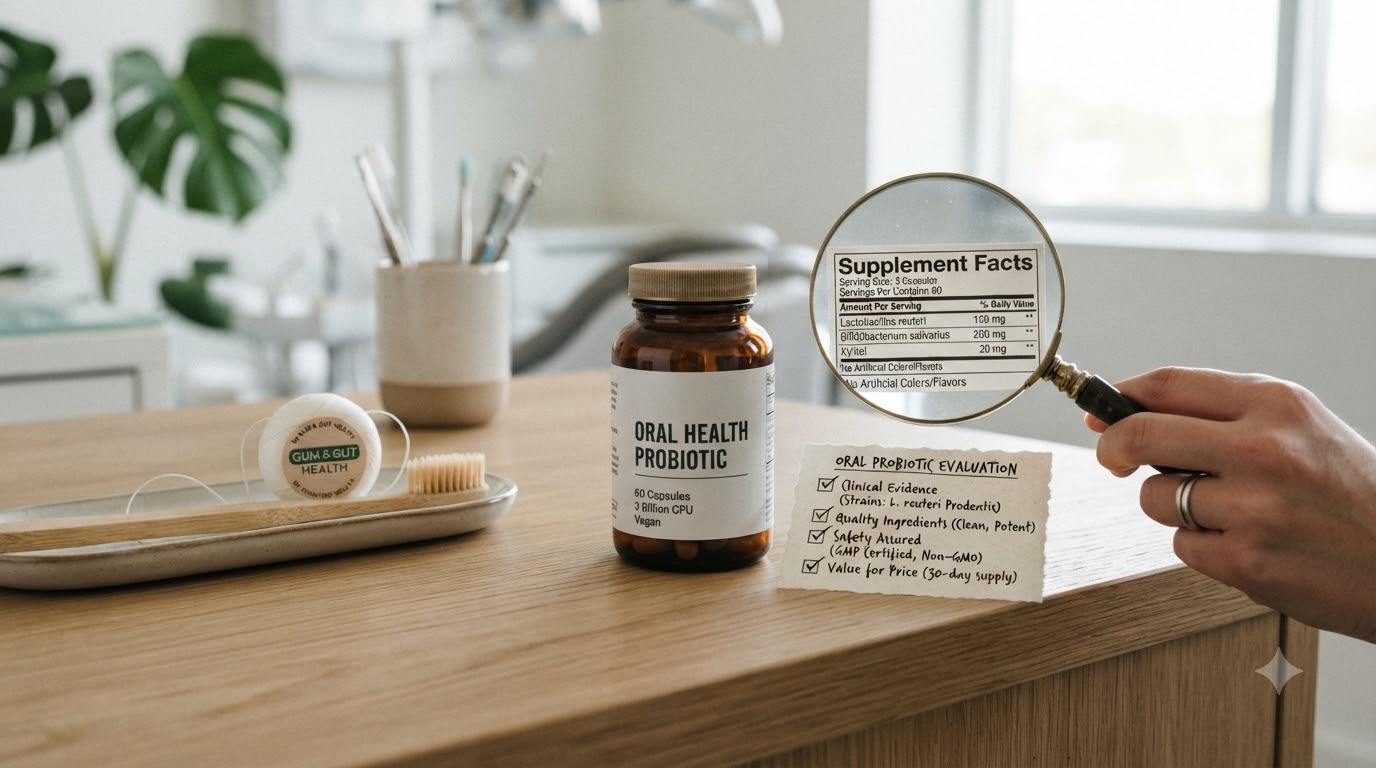
If you’re comparing prodentim reviews, use a simple five-step process.
Step 1: Check the label
Confirm the ingredients, serving size, directions, expiration information, and manufacturer details.
Step 2: Separate testimonials from evidence
Customer experiences can help identify common themes, but they cannot establish whether a supplement causes a particular health outcome.
Step 3: Look for strain-specific research
Search for clinical studies involving the exact probiotic strains and the oral-health outcome you’re interested in.
Step 4: Check the return and purchasing terms
Before ordering online, understand the price, subscription terms if applicable, shipping conditions, and refund policy.
Step 5: Ask whether you actually need a supplement
If your main concern is bleeding gums, tooth pain, cavities, or persistent bad breath, the first step may be a dental examination rather than another supplement.
This approach makes prodentim reviews much more useful because you are evaluating evidence, product transparency, and personal relevance rather than simply looking for the highest star rating.
ProDentim vs. Traditional Oral Care
It is tempting to compare an oral probiotic directly with toothpaste or mouthwash, but these products serve different purposes.
| Approach | Primary role | Evidence/use |
| Fluoride toothpaste | Helps prevent cavities and supports enamel | Strongly established |
| Brushing | Removes plaque and food debris | Core oral-hygiene practice |
| Floss/interdental cleaning | Cleans between teeth | Recommended daily |
| Professional dental care | Detects and treats oral disease | Essential when problems exist |
| Oral probiotics | May influence the oral microbiome | Promising but still developing |
The key takeaway from prodentim reviews is that these categories should not be treated as interchangeable.
An oral probiotic might be an optional addition for some people. It is not a substitute for fluoride toothpaste, interdental cleaning, or dental treatment.
Frequently Asked Questions
Is ProDentim FDA approved?
No dietary supplement should be described as FDA-approved for safety and effectiveness simply because it is legally sold in the United States. The FDA does not pre-approve dietary supplements in the same way it approves drugs.
Does ProDentim cure gum disease?
There is not enough evidence to conclude that ProDentim cures gum disease. Some research suggests certain probiotics may provide an adjunctive benefit for periodontal conditions, but they should not replace professional diagnosis or treatment.
Can oral probiotics prevent cavities?
The evidence is still inconclusive. Research has found promising effects on some cavity-associated bacteria, but reducing bacterial levels does not necessarily translate into preventing cavities.
Are online ProDentim testimonials reliable?
They can describe individual experiences, but testimonials cannot establish that a product causes a health benefit. Look for transparent ingredient information and research involving the relevant probiotic strains and outcomes.
Should I take an oral probiotic instead of seeing a dentist?
No. An oral probiotic should not replace dental examinations or treatment. Pain, swelling, persistent bleeding, loose teeth, or ongoing bad breath deserve professional evaluation.
Final Verdict: Is ProDentim Worth Considering?
The fairest conclusion from prodentim reviews is that the underlying idea—using probiotics to influence the oral microbiome—is scientifically interesting, but the evidence should not be overstated.
Studies of oral probiotics have produced encouraging findings in some areas, particularly periodontal health, while evidence for cavity prevention remains less conclusive. Importantly, results can vary substantially according to the probiotic strain, dose, delivery method, and patient population.
For a healthy adult who already follows good oral hygiene, an oral probiotic may be something worth discussing with a dental professional if they are interested in microbiome-focused care.
But if you are experiencing dental symptoms, don’t let supplement testimonials delay proper treatment.
The smartest way to evaluate prodentim reviews is to look beyond star ratings: check the label, understand what the research actually studied, consider the limitations of dietary supplements, and compare the potential benefit with the cost.
Oral probiotics may have a useful supporting role, but good brushing, fluoride toothpaste, daily interdental cleaning, healthy habits, and professional dental care remain the foundation of a healthy mouth.
Read More: Home Teeth Whitening Kits