
Table of Contents
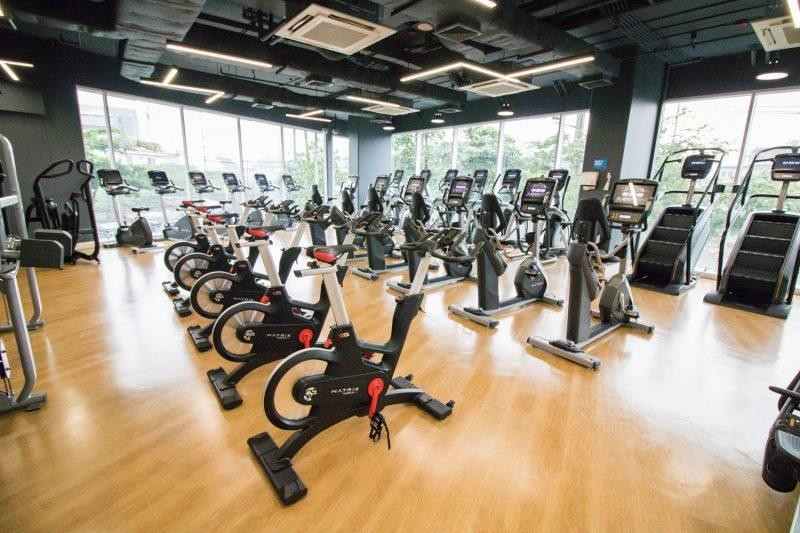
Losing weight doesn’t require complicated fitness routines or expensive training programs. For many people in the USA, the stationary exercise bike has become one of the safest, most effective, and sustainable ways to burn calories while protecting the joints. If your goal is gym bicycle weight loss, understanding how to train correctly matters far more than simply cycling for longer.
This guide explains the science behind fat loss, the best workout methods, weekly training plans, calorie estimates, common mistakes, and how to choose the right bike. Whether you’re exercising at a commercial gym or building a home workout routine, you’ll learn practical strategies that actually support long-term results.
Why gym bicycle weight loss Works So Well

A stationary bike combines cardiovascular exercise with controlled resistance, making it ideal for beginners and experienced exercisers alike. Unlike outdoor cycling, weather and traffic never interrupt your workouts, allowing you to stay consistent throughout the year.
The biggest benefits
- Burns a significant number of calories in a relatively short session
- Low-impact exercise that’s gentle on knees and ankles
- Adjustable resistance suits every fitness level
- Easy to combine with strength training
- Suitable for overweight individuals beginning a fitness journey
Research consistently shows that sustainable fat loss depends on maintaining a calorie deficit while preserving muscle mass. Cycling helps increase daily energy expenditure without placing excessive stress on the body.
Average calories burned
| Body Weight | 30 Minutes | 60 Minutes |
| 125 lb (57 kg) | 210–260 | 420–520 |
| 155 lb (70 kg) | 260–330 | 520–660 |
| 185 lb (84 kg) | 310–390 | 620–780 |
| 220 lb (100 kg) | 360–450 | 720–900 |
Actual calorie burn varies with resistance, cadence, age, and fitness level.
The science behind gym bicycle weight loss
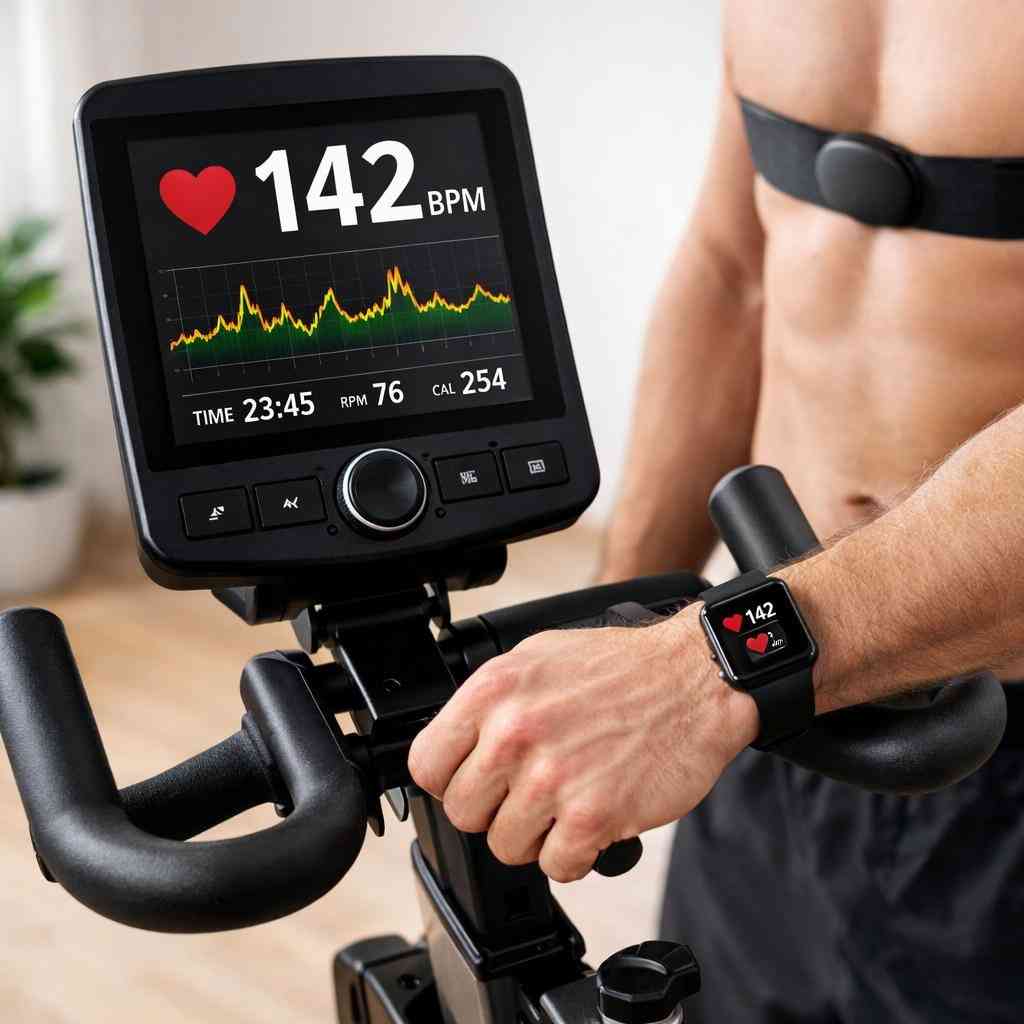
Fat loss happens when your body uses more energy than it consumes. Cycling contributes by increasing calorie expenditure during exercise and improving overall cardiovascular fitness, making it easier to stay active throughout the day.
Heart rate matters more than speed
Many beginners pedal as fast as possible from the start. A better approach is training within specific heart-rate zones.
| Intensity | Heart Rate | Best For |
| Easy | 50–60% | Recovery |
| Moderate | 60–70% | Endurance |
| Fat-burning | 70–80% | Weight loss |
| High intensity | 80–90% | HIIT intervals |
For most adults, spending much of the workout in the moderate-to-vigorous range provides an excellent balance between calorie burn and sustainability.
Resistance beats endless speed
Instead of spinning with little resistance:
- Increase resistance gradually.
- Maintain smooth, controlled pedaling.
- Aim for 70–90 RPM during steady rides.
- Focus on consistent effort rather than maximum speed.
This approach recruits more muscles, including the glutes, quadriceps, hamstrings, and calves.
How to use gym bicycle weight loss for maximum fat burning
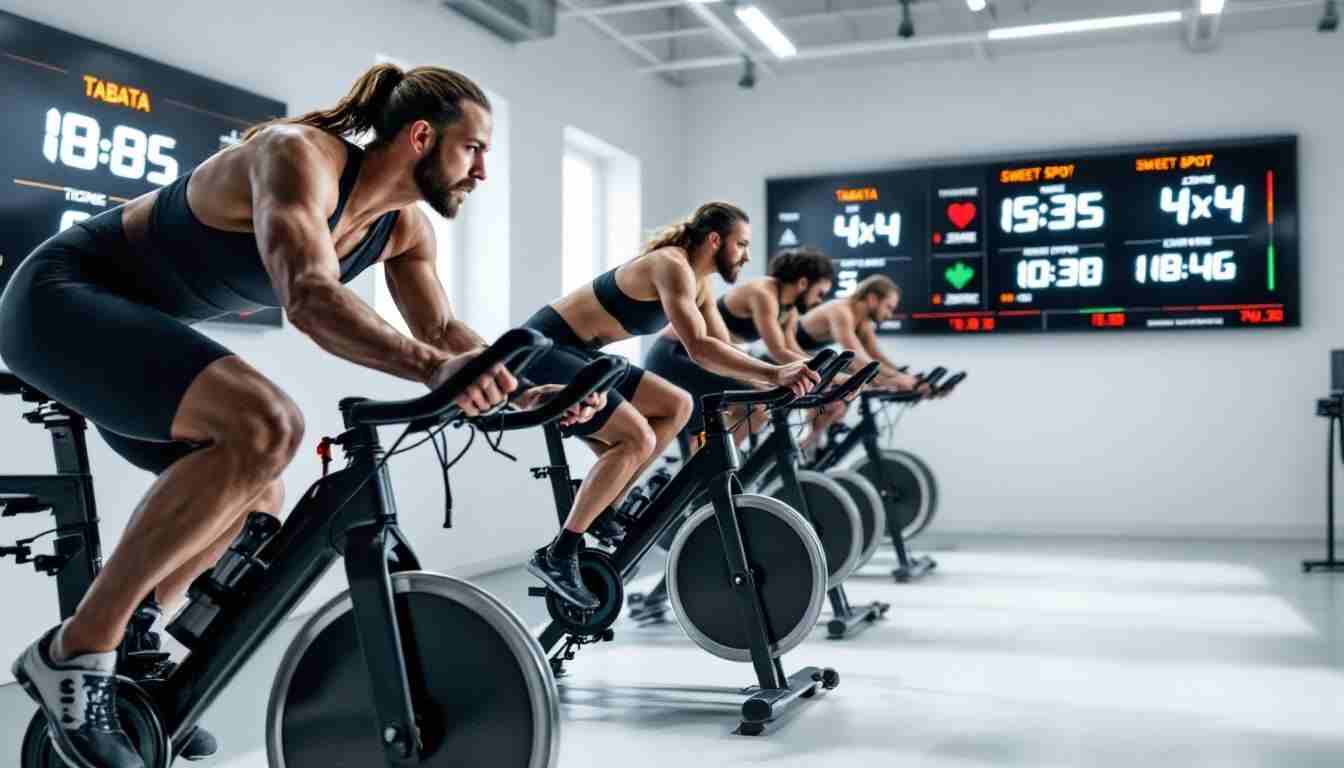
The best workout depends on your experience level. Consistency is more important than intensity during your first few weeks.
Beginner 20-minute workout
| Time | Activity |
| 3 min | Easy warm-up |
| 5 min | Moderate cycling |
| 1 min | Higher resistance |
| Repeat | 3 rounds |
| 3 min | Cool down |
Complete this workout 3–4 times weekly.
Intermediate 35-minute routine
- Warm up for 5 minutes.
- Ride moderately for 8 minutes.
- Increase resistance for 2 minutes.
- Recover for 3 minutes.
- Repeat twice.
- Finish with a 5-minute cooldown.
This improves endurance while increasing calorie expenditure.
Advanced HIIT session
High-intensity interval training is excellent for experienced exercisers.
- 5-minute warm-up
- 30 seconds hard effort
- 90 seconds easy recovery
- Repeat 10 times
- 5-minute cooldown
The workout lasts about 30 minutes and is highly time-efficient.
Weekly workout schedule for gym bicycle weight loss
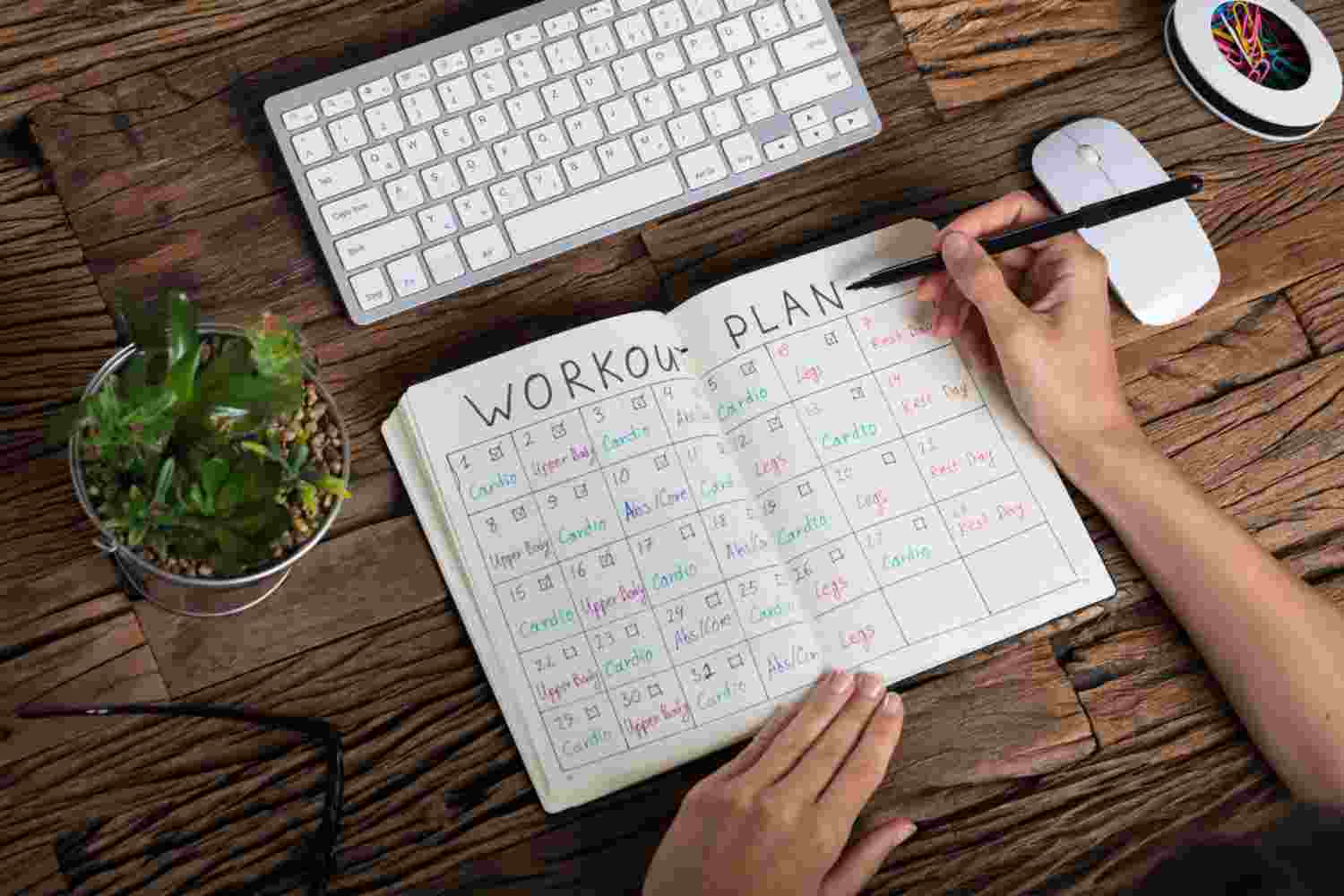
A structured routine helps prevent overtraining while supporting recovery.
| Day | Workout |
| Monday | 30 min moderate cycling |
| Tuesday | Full-body strength training |
| Wednesday | HIIT bike workout |
| Thursday | Walking or recovery ride |
| Friday | 40 min endurance cycling |
| Saturday | Strength + core |
| Sunday | Rest or light stretching |
Adding two strength-training sessions each week helps preserve lean muscle during weight loss.
Why strength training matters
Muscle tissue burns more energy than fat tissue at rest, although the difference is modest. More importantly, resistance training helps maintain muscle while dieting, improving body composition instead of simply reducing body weight.
Gym bicycle weight loss vs treadmill: Which is better?
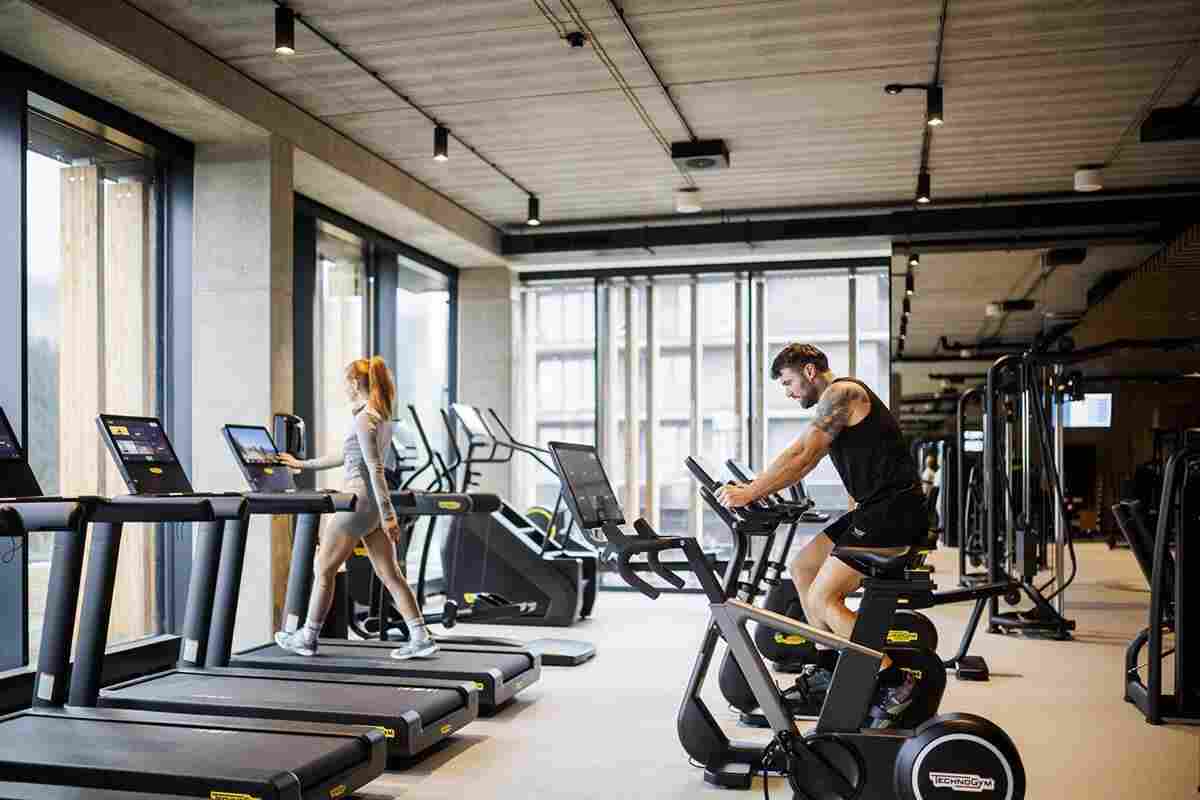
Both machines can support fat loss, but the better choice depends on your body, goals, and injury history.
| Feature | Exercise Bike | Treadmill |
| Joint impact | Low | Moderate to high |
| Beginner friendly | Excellent | Good |
| Knee comfort | Better | Less ideal |
| Calorie burn | High | High |
| Balance required | Minimal | Moderate |
| Recovery workouts | Excellent | Fair |
Choose an exercise bike if you:
- Have knee discomfort
- Are overweight
- Need low-impact cardio
- Want longer sustainable workouts
Choose a treadmill if you:
- Enjoy walking or running
- Train for running events
- Prefer weight-bearing exercise
Many fitness professionals recommend combining both throughout the week for variety and reduced boredom.
Nutrition tips that improve gym bicycle weight loss results
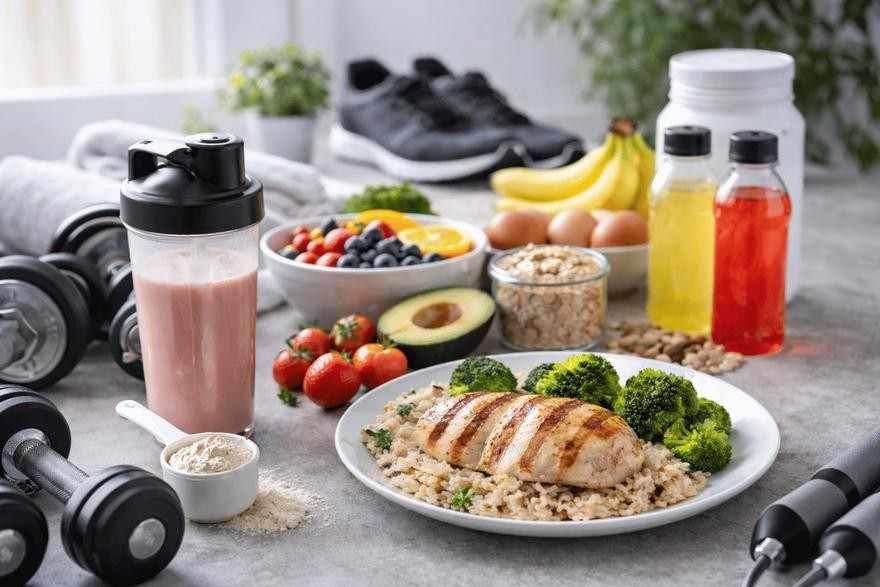
Exercise alone rarely produces optimal fat loss. Nutrition plays the larger role.
Before your workout
Eat 60–90 minutes beforehand:
- Greek yogurt with berries
- Banana and peanut butter
- Oatmeal with fruit
- Whole-grain toast with eggs
Avoid heavy fried meals immediately before cycling.
After your workout
Aim for protein plus carbohydrates within two hours.
Good options include:
- Grilled chicken with rice
- Cottage cheese and fruit
- Protein smoothie with banana
- Turkey sandwich on whole-grain bread
Daily habits that make a difference
- Drink plenty of water throughout the day.
- Eat 25–35g of protein per meal.
- Include vegetables in most meals.
- Sleep 7–9 hours consistently.
- Limit sugary drinks and excessive alcohol.
Small habits repeated consistently produce better results than restrictive diets.
Choosing the best bike for gym bicycle weight loss
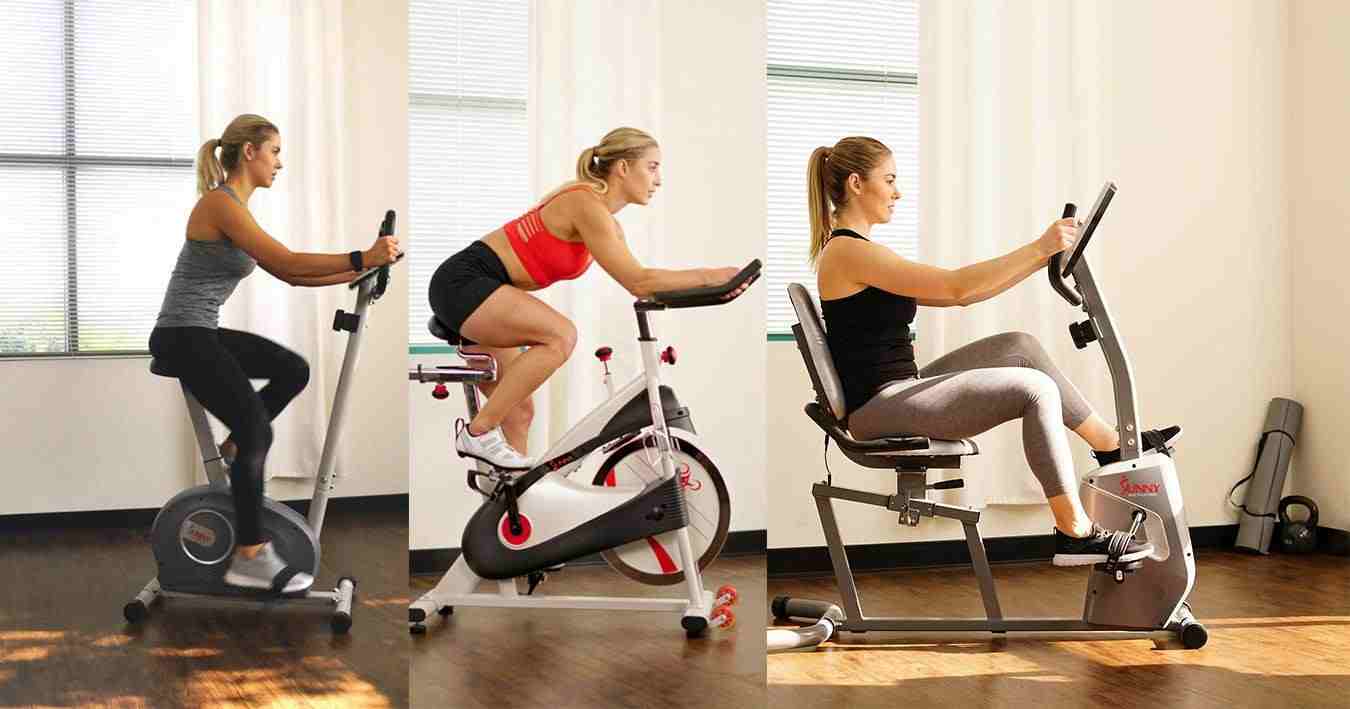
If you’re shopping in the USA, you’ll find three main categories of stationary bikes.
1. Upright bikes
Best for general fitness and smaller spaces.
Pros
- Affordable
- Compact
- Natural riding position
2. Recumbent bikes
Ideal for older adults or anyone with lower back discomfort.
Pros
- Comfortable seat
- Excellent lumbar support
- Easy on hips and knees
3. Indoor cycling bikes
Designed for higher-intensity workouts.
Pros
- Heavy flywheel
- Greater resistance
- Better for interval training
Features worth paying for
| Feature | Worth It? |
| Magnetic resistance | Yes |
| Adjustable seat | Yes |
| Heart-rate monitor | Helpful |
| Bluetooth connectivity | Optional |
| Built-in screen | Optional |
| Heavy flywheel | Great for HIIT |
Avoid choosing a bike based only on price. Comfort and adjustability usually determine whether you’ll actually use it consistently.
Common mistakes that slow gym bicycle weight loss
Many people work hard but unknowingly reduce their progress.
1. Using almost no resistance
Light pedaling may feel easier, but moderate resistance engages more muscles and improves workout quality.
2. Holding the handlebars too tightly
Relax your shoulders and maintain an upright posture to reduce neck and upper-back tension.
3. Skipping warm-ups
A 5-minute warm-up prepares muscles and gradually increases heart rate, reducing injury risk.
4. Exercising every day without recovery
Recovery is when your body adapts. Include at least one complete rest day weekly.
5. Ignoring nutrition
Burning 350 calories doesn’t justify eating an extra 700. Weight loss depends on your overall daily energy balance.
Practical example: A realistic 12-week fat-loss journey
Imagine someone starting at 190 pounds who exercises four days each week and follows a moderate calorie deficit.
Weeks 1–4
- Build consistency
- Improve endurance
- Learn proper resistance
Weeks 5–8
- Add one HIIT workout
- Increase ride duration
- Begin strength training twice weekly
Weeks 9–12
- Mix endurance and interval sessions
- Progress resistance gradually
- Track waist measurements alongside weight
Rather than chasing rapid weight loss, this approach focuses on sustainable habits that are easier to maintain long term.
Frequently Asked Questions
Is gym bicycle weight loss effective for belly fat?
Yes. Cycling helps reduce overall body fat by burning calories, but you cannot target belly fat specifically. Fat loss occurs across the entire body through consistent exercise and nutrition.
How many minutes should I cycle daily?
Beginners can start with 20–30 minutes, while most adults aiming for fat loss benefit from 150–300 minutes of moderate cardio each week.
Is an exercise bike better than walking?
Both are effective. An exercise bike generally provides higher calorie burn with less joint impact, making it especially suitable for people with knee discomfort.
Should I use high resistance every workout?
No. Alternate between moderate endurance rides and higher-resistance interval sessions to improve recovery and reduce overuse.
Can I lose weight without strength training?
Yes, but combining cycling with resistance training usually produces better body composition and helps preserve muscle during weight loss.
Conclusion
Gym bicycle weight loss is one of the most practical and sustainable ways to lose fat, improve cardiovascular health, and build a consistent fitness routine. Success comes from combining progressive cycling workouts, balanced nutrition, adequate recovery, and realistic weekly goals rather than chasing quick results.
Start with manageable 20–30 minute sessions, gradually increase intensity, and track your progress beyond the scale by measuring energy levels, endurance, and waist circumference.
If your goal is lasting fat loss, make gym bicycle weight loss part of a weekly routine you can maintain—not just a short-term challenge.
Read More: Dwayne Johnson Weight Loss: The Real Truth Behind The Rock’s Diet, Workout & Transformation