
Table of Contents
What Makes a Protein Powder Useful for Weight Loss?
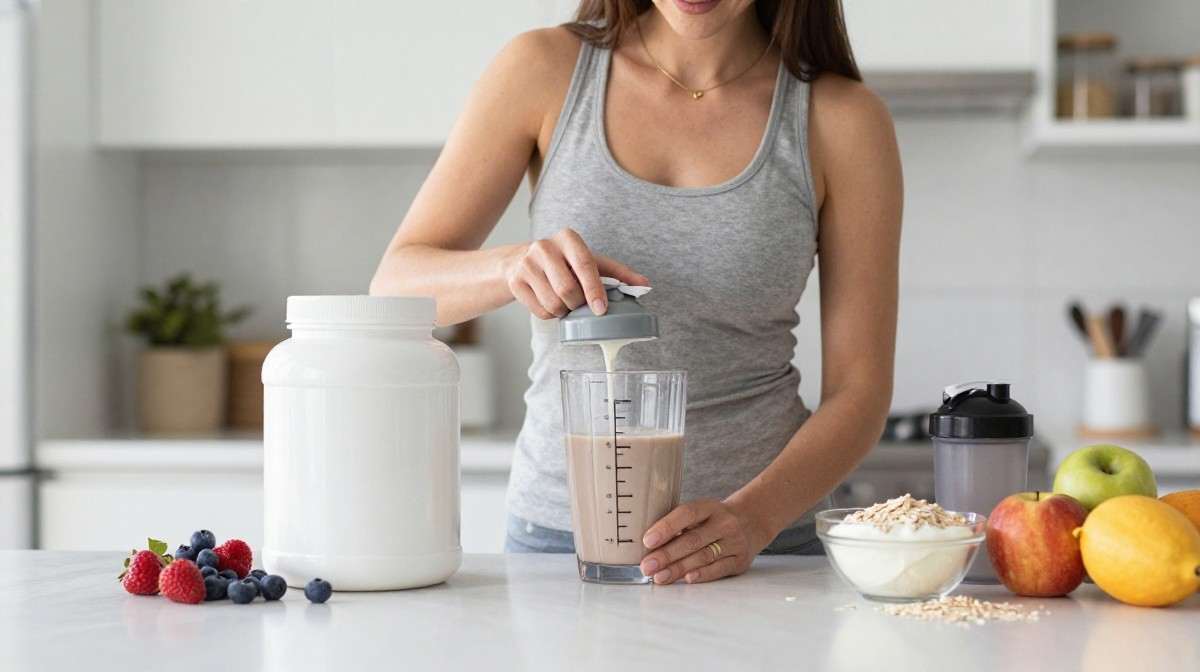
The best protein powder for weight loss female shoppers choose is not necessarily the one with the fewest calories or the biggest protein number on the label. It should help you meet your protein needs, stay satisfied between meals, and fit comfortably into your daily calorie budget.
If you’re comparing the best protein powder for weight loss female options, start with the basics: protein per serving, calories, added sugar, fiber, ingredient quality, and how well you tolerate the product. A powder can be convenient, but it is not a fat-burning supplement.
Protein can support weight management because it is filling and helps preserve lean mass while you lose weight. Still, your overall eating pattern, activity, sleep, and calorie intake matter far more than the brand printed on the tub.
In this guide, you’ll learn how to compare protein powders, which protein types may suit different needs, what to look for on a U.S. supplement label, and how to use a powder without turning a simple shake into a high-calorie dessert.
How to Choose the Best Protein Powder for Weight Loss Female Goals
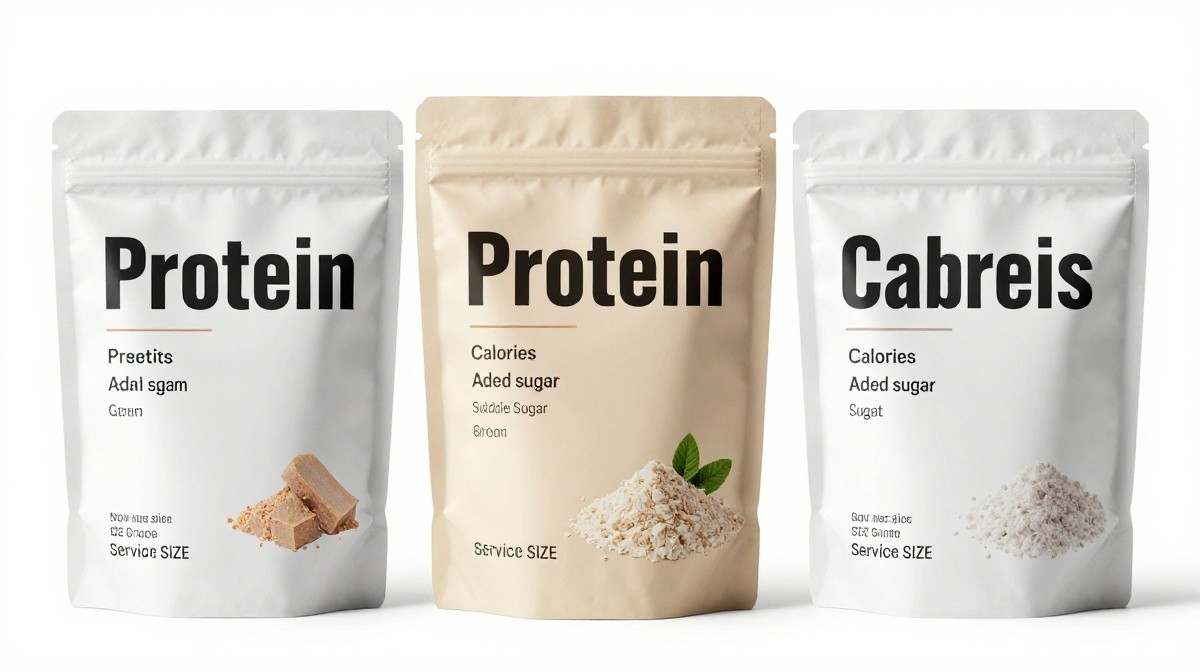
A useful protein powder should solve a real problem: perhaps you need a quick breakfast component, an easy post-workout option, or a portable way to increase protein without adding many calories.
1. Check Protein and Calories Together
A practical starting point is around 20–30 grams of protein per serving for many adults, depending on individual needs. Then look at the calorie cost of that protein.
For example:
| Label | Option A | Option B |
| Protein | 25 g | 25 g |
| Calories | 110 | 190 |
| Added sugar | 0 g | 8 g |
| Fiber | 1 g | 0 g |
Both products provide the same protein, but Option A leaves more room for fruit, yogurt, oats, or other nutritious foods in your calorie budget.
2. Keep Added Sugar Modest
Protein powder does not need to taste like a milkshake to be useful. If you already get carbohydrates from fruit, oats, milk, or another meal component, a low-sugar powder may be easier to fit into your diet.
Also watch serving size. Some labels make a product look lean because the listed serving is smaller than the scoop you actually use.
3. Look Beyond the Front of the Package
The front label is marketing. The Nutrition Facts and ingredient list are where the useful information lives.
Look for:
- Protein amount per serving
- Calories per serving
- Added sugars
- Saturated fat
- Fiber
- Serving size
- Sweeteners and flavoring ingredients
- Allergens
- A third-party testing seal when available
No single ingredient list guarantees a better product, but a transparent label makes comparison easier.
Best Protein Powder for Weight Loss Female Needs: Which Protein Type Fits You?
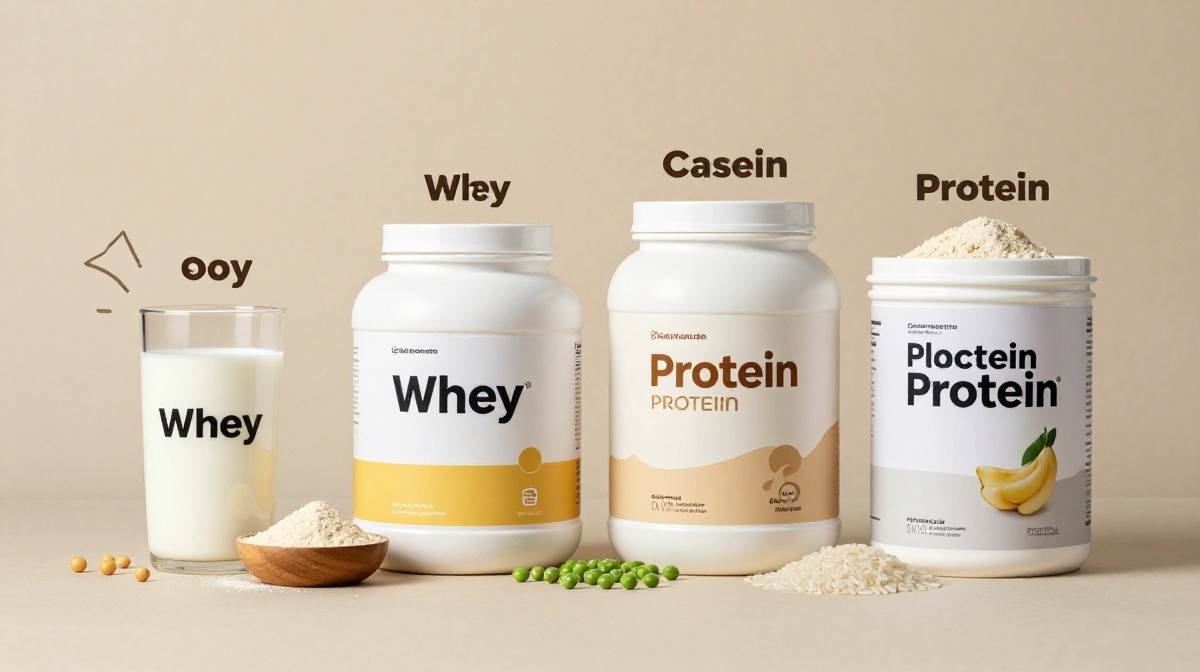
There is no single protein source that wins for every woman. The right choice depends on dietary preferences, digestion, allergies, budget, and how you plan to use it.
Whey Protein
Whey is a complete dairy protein and is rich in essential amino acids. Whey isolate generally contains less lactose and fewer non-protein components than whey concentrate, although products vary.
For someone who tolerates dairy and wants a straightforward post-workout or meal-support option, whey can be a practical choice.
Casein Protein
Casein is also a complete dairy protein, but it digests more slowly than whey. Its thicker texture can make it useful in smoothies, yogurt-style bowls, or an evening snack.
Soy Protein
Soy is a plant protein that provides all nine essential amino acids. It can be a strong option for women who want a dairy-free protein or simply prefer soy.
Pea and Blended Plant Proteins
Pea protein is popular in vegan products. Some plant powders combine pea, rice, or other proteins to provide a broader amino acid profile and improve texture.
If you use a plant-based powder, compare the actual protein grams per serving rather than assuming every vegan powder is nutritionally similar.
Collagen Is Different
Collagen peptides are popular, but collagen is not a complete protein and should not automatically replace a high-quality complete protein source when your main goal is meeting protein needs.
How Much Protein Do You Need During Weight Loss?
The right protein intake depends on body size, activity, age, health status, and the size of your calorie deficit. There is no universal number that applies to every woman.
For active adults, a higher protein intake may be useful for supporting muscle maintenance during a calorie-restricted diet. If you lift weights, exercise frequently, are older, or are trying to preserve lean mass, your needs may be different from those of a sedentary adult.
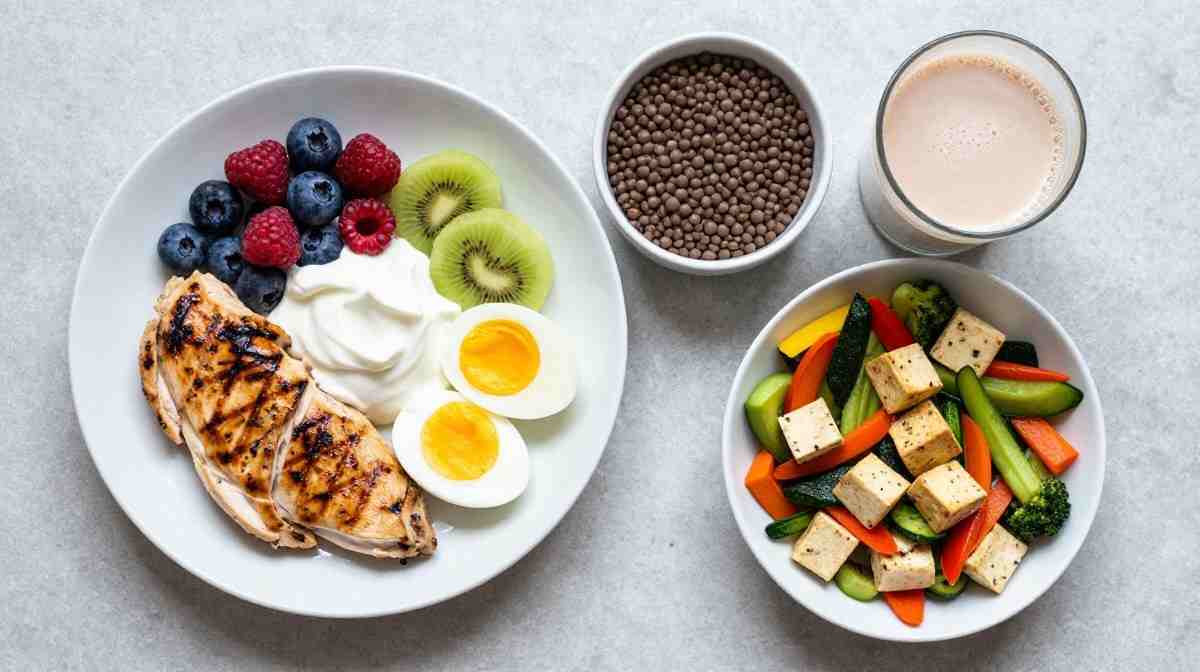
A simple approach is to build each main meal around a meaningful protein source, then use protein powder only when it makes reaching your target easier.
For example:
- Breakfast: Greek yogurt, eggs, or a protein smoothie
- Lunch: Chicken, fish, tofu, beans, or lentils
- Snack: Protein shake if needed
- Dinner: Lean meat, seafood, tofu, tempeh, or another protein-rich food
This approach is usually more sustainable than depending on shakes for most of your protein.
How to Use Protein Powder Without Accidentally Gaining Calories
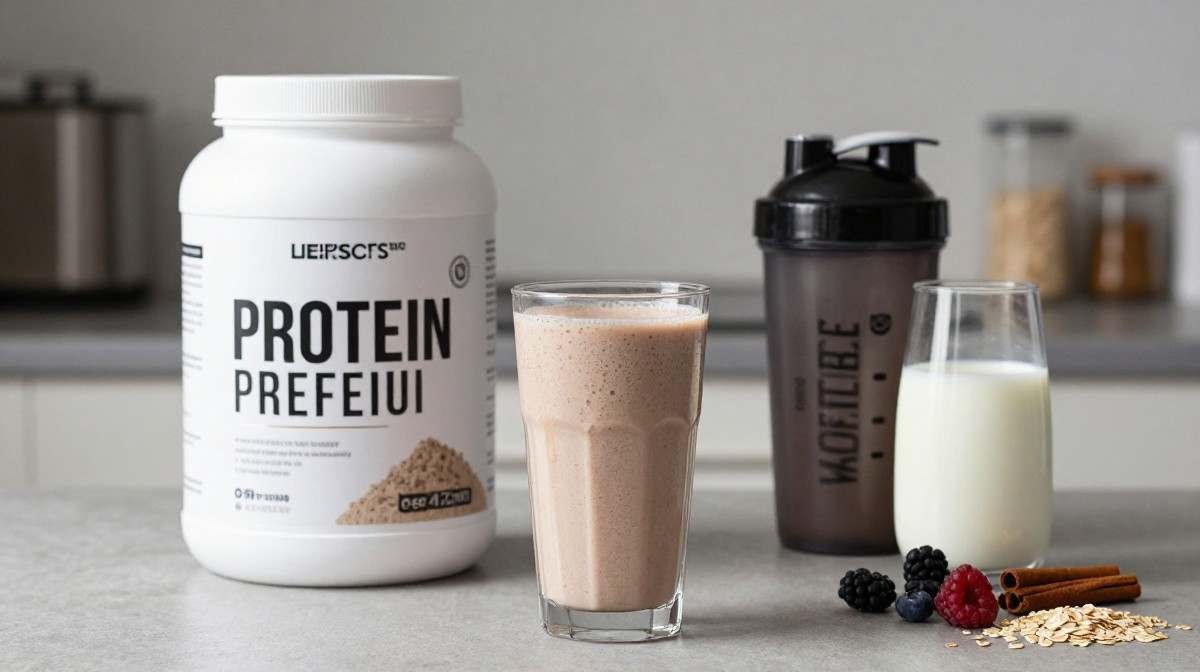
The powder is rarely the problem. The extras can be.
A shake made with protein powder, whole milk, nut butter, oats, honey, banana, and several toppings can become a full meal—or more—before you realize it.
If you’re using the best protein powder for weight loss female goals, keep the preparation aligned with your purpose.
For a Lighter Snack
Try:
- Protein powder
- Water or unsweetened milk
- Ice
- Cinnamon or unsweetened cocoa
For a Balanced Breakfast
Add:
- Protein powder
- Greek yogurt or milk
- Berries
- A modest portion of oats
- Chia or ground flax if it fits your calorie needs
For a Post-Workout Shake
Keep it simple if you are eating a meal soon. Protein powder, water or milk, and fruit may be enough.
The key is to count the entire shake, not just the powder.
Common Mistakes When Buying Protein Powder
Even a product that looks impressive on the shelf can be a poor fit for your goals.
Mistake 1: Choosing Based on Protein Grams Alone
More protein is not automatically better. If a product has substantially more calories, sugar, or saturated fat, compare it with alternatives before buying.
Mistake 2: Treating Protein Powder Like a Fat Burner
Protein powder supplies protein. It does not directly burn body fat. Weight loss still depends on your overall energy balance.
Mistake 3: Ignoring Digestive Tolerance
Some people experience bloating or discomfort from lactose, sugar alcohols, certain fibers, or other ingredients. If a powder repeatedly makes you feel unwell, it is not the right powder for you.
Mistake 4: Replacing Too Many Whole Foods
A shake is convenient, but whole foods provide nutrients, texture, and dietary variety that a powder cannot fully reproduce.
Mistake 5: Forgetting Third-Party Testing
Supplements can vary in quality. For athletes or anyone particularly concerned about contamination, independent testing can provide another layer of confidence.
What Should You Look for on a U.S. Protein Powder Label?
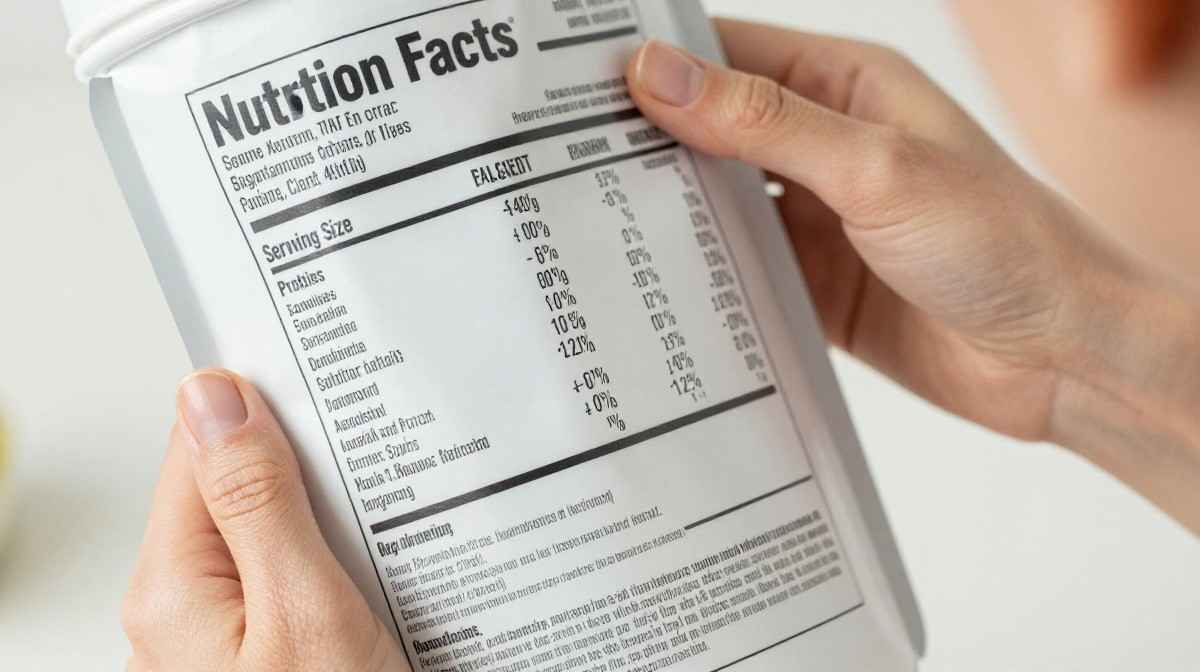
In the United States, dietary supplements are regulated differently from conventional foods and drugs. That means shoppers should read labels carefully rather than assuming every claim on a package has the same level of evidence.
Before buying, check:
- The Supplement Facts panel
- Full ingredient list
- Allergen statement
- Manufacturer information
- Suggested serving size
- Storage instructions
- Quality or third-party testing information
Be especially cautious about products making dramatic promises such as “melts fat,” “guaranteed weight loss,” or similar claims. A credible protein product should not need sensational language to explain what it contains.
If you are pregnant, breastfeeding, managing kidney disease, taking medication, or dealing with a medical condition, ask your healthcare professional whether a high-protein supplement is appropriate for you.
Best Protein Powder for Weight Loss Female Buying Checklist
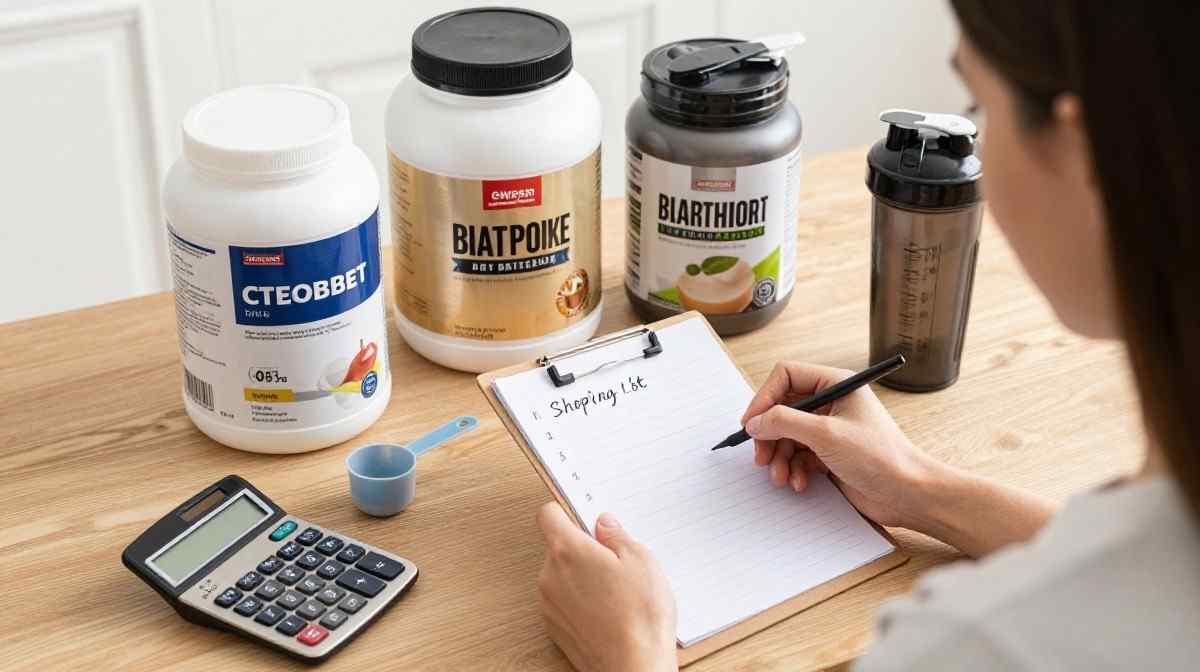
When comparing products online or in a store, use this five-minute checklist.
- Protein: Does the serving provide a useful amount for your diet?
- Calories: Can you fit the serving into your normal meals?
- Sugar: Is added sugar appropriate for your preferences and goals?
- Ingredients: Are there ingredients you know you do not tolerate?
- Testing: Is there credible quality testing if that matters to you?
The best protein powder for weight loss female shoppers select is the one that passes those tests and is easy enough to use consistently.
Comparing the Best Protein Powder for Weight Loss Female Options
Imagine three tubs:
- Powder A: 25 g protein, 110 calories, 1 g sugar
- Powder B: 24 g protein, 160 calories, 5 g added sugar
- Powder C: 20 g protein, 100 calories, but the serving is unusually small
Powder A looks strongest on paper, but your final decision should also consider taste, digestion, dietary restrictions, price per serving, and independent quality testing.
That is why “best” is personal rather than universal.
FAQ
What is the best protein powder for weight loss female shoppers can buy?
There is no universally best product. For many women, a powder with roughly 20–30 grams of protein, moderate calories, little added sugar, and a protein source they tolerate well is a sensible starting point.
Does Protein Powder Help Women Lose Belly Fat?
Not directly. Protein can help support fullness and lean-mass retention while dieting, but it does not selectively burn belly fat. Overall fat loss comes from sustained energy balance.
Is Whey or Plant Protein Better for Weight Loss?
Neither is automatically better for weight loss. Choose whey if you tolerate dairy and prefer its nutrition and texture; choose soy, pea, or a blended plant protein if you prefer plant-based options or avoid dairy.
Can I Drink Protein Powder Every Day?
Many healthy adults can use protein powder regularly as part of a balanced diet. The right amount depends on your total protein intake and individual needs. It should complement, not replace, a varied diet.
When Should Women Drink Protein Powder for Weight Loss?
Timing is less important than total daily protein and overall diet quality. Use a shake when it is convenient—such as at breakfast, after exercise, or as a planned snack—and choose the timing that helps you stick with your routine.
Final Thoughts on the Best Protein Powder for Weight Loss Female Shopper
Choosing the best protein powder for weight loss female goals does not require chasing the newest formula or the most aggressive marketing claim. Focus on the fundamentals: enough protein, sensible calories, low or moderate added sugar, a protein source you tolerate, and a label you can understand.
Use protein powder as a convenient tool rather than a shortcut. Build most meals around nutrient-rich whole foods, stay active, and choose a product that makes your routine easier to maintain.
If you’re comparing several powders, make a simple side-by-side list of protein, calories, sugar, ingredients, cost per serving, and testing. That five-minute comparison can make your purchase much more informed.
Read More: Best Protein Bars for Weight Loss: 7 Things to Check Before Buying