
Table of Contents
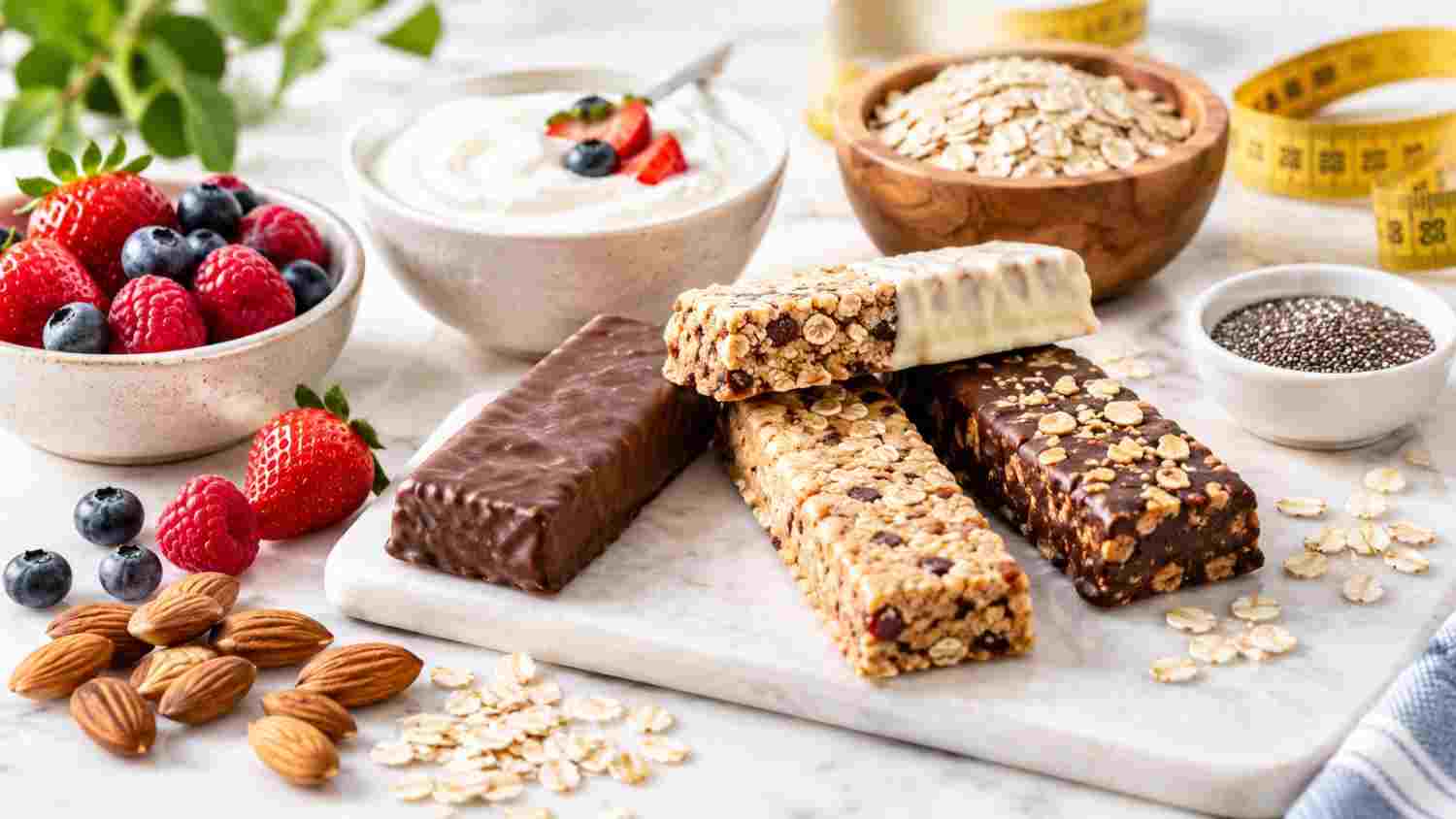
Losing weight does not mean you have to give up convenient snacks. A well-chosen protein bar can be useful when you’re rushing to work, traveling, heading to the gym, or simply need something between meals. The problem is that protein bars vary dramatically. Some are genuinely filling and nutrient-dense, while others are essentially candy bars with extra protein.
The best protein bars for weight loss are not necessarily the ones with the highest protein number or the fewest carbohydrates. A better choice balances calories, protein, fiber, added sugar, fat, sodium, ingredients, and—most importantly—how well the bar fits into your overall eating pattern.
This guide explains exactly how to compare protein bars in U.S. stores and online, what numbers deserve attention, common mistakes to avoid, and how to decide whether a bar is actually worth buying.
What Makes a Best Protein Bars for Weight Loss?
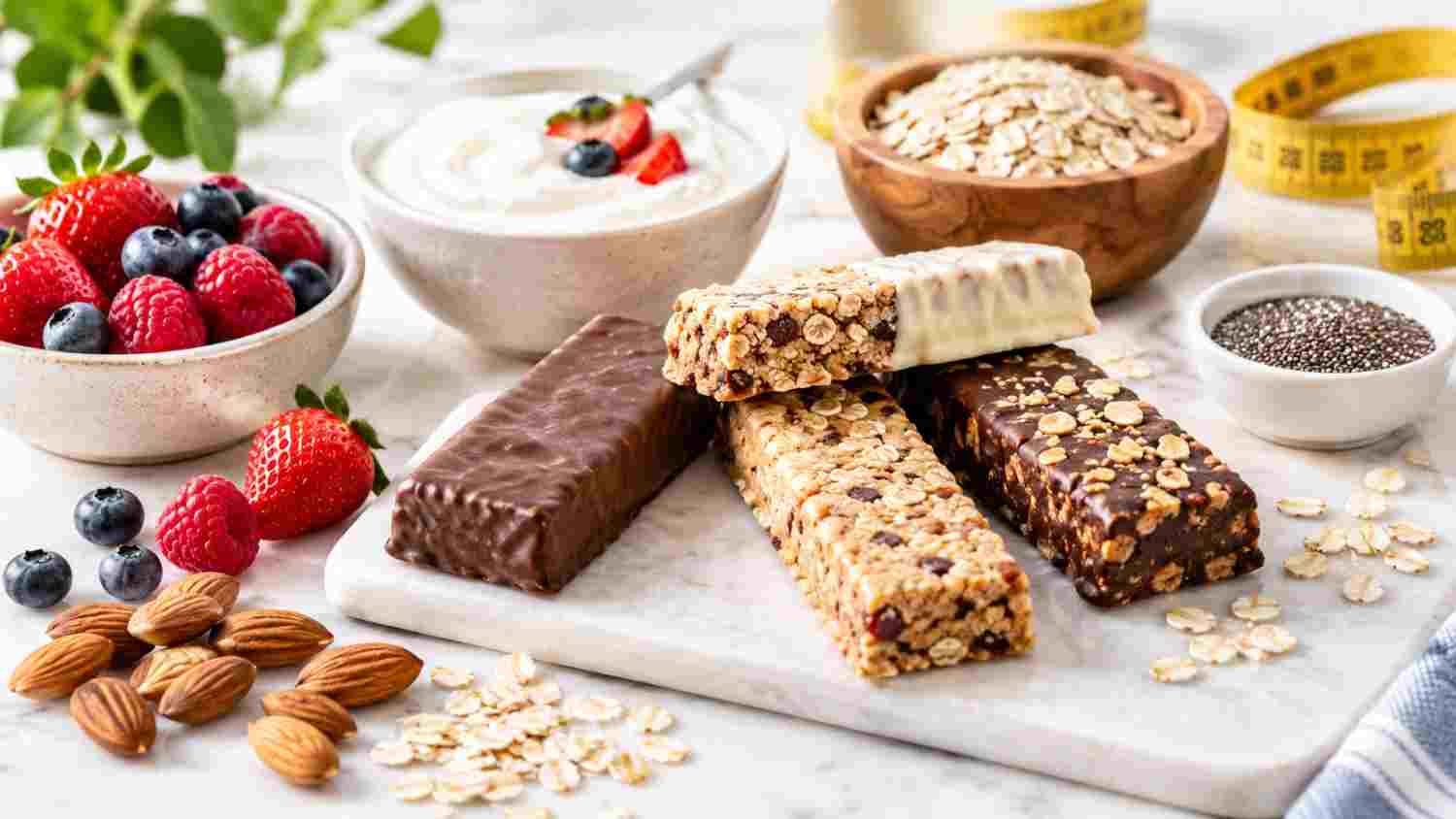
A protein bar does not cause weight loss by itself. Weight management depends on your overall calorie intake, food quality, activity, sleep, and other lifestyle factors.
However, protein can help with fullness. Research has found that higher-protein meals can increase satiety, although the long-term effects vary between people and dietary patterns.
A best protein bars for weight loss should provide a useful amount of protein without packing excessive calories, added sugar, saturated fat, or highly refined ingredients.
For many shoppers, a practical starting point is to compare bars that offer:
- About 10–20+ grams of protein
- A meaningful amount of dietary fiber
- Moderate calories for the portion
- Limited added sugar
- Reasonable saturated fat and sodium
- A serving size that matches what you actually plan to eat
These are guidelines, not universal rules. Your needs may be different if you’re highly active, following a medically prescribed diet, or using a bar as a meal replacement.
The FDA’s current Nutrition Facts guidance lists a Daily Value of 50 grams for protein and 28 grams for dietary fiber, based on a 2,000-calorie diet. Individual needs can be higher or lower.
How to Compare the Best Protein Bars for Weight Loss
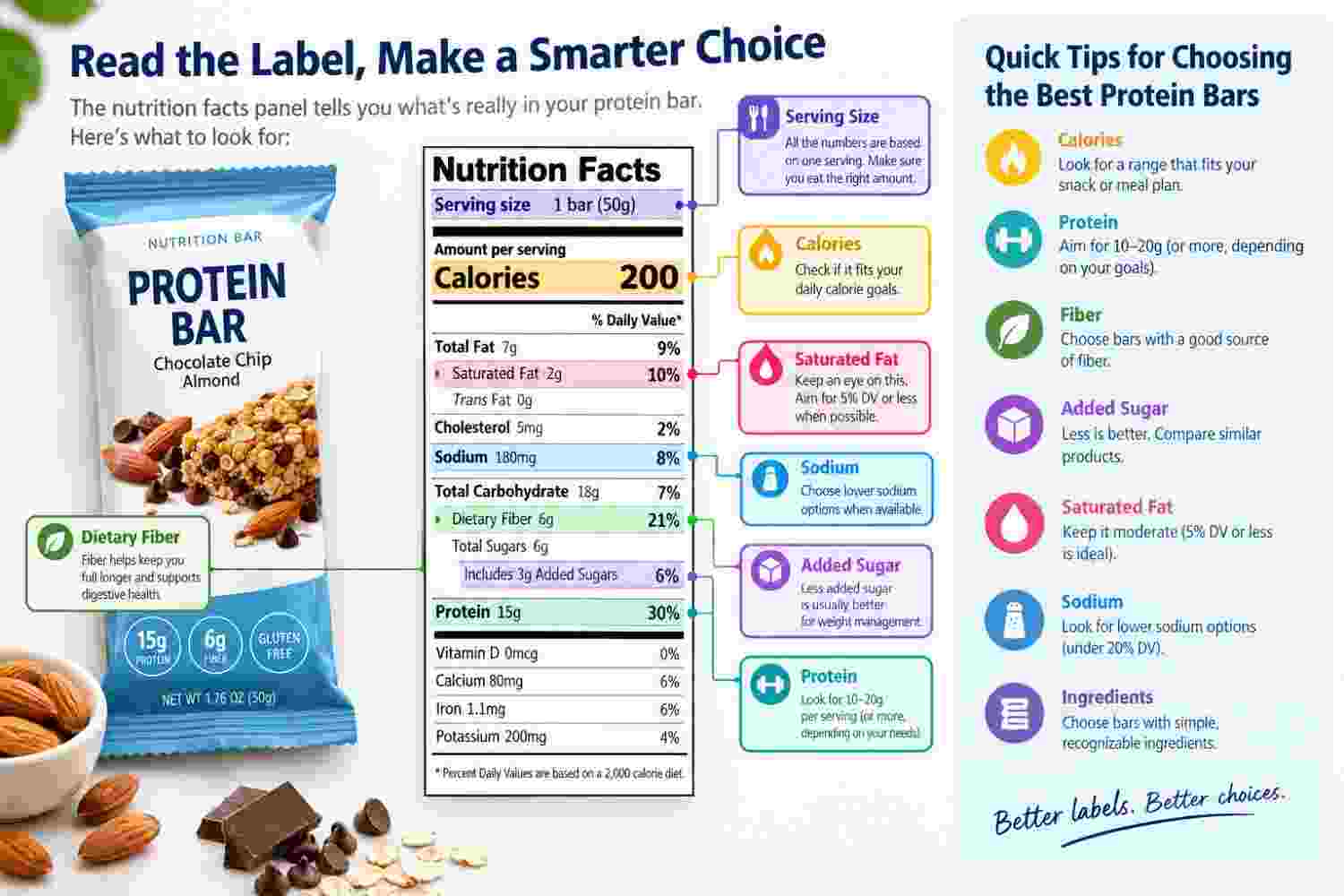
Instead of trusting words such as “keto,” “low carb,” “high protein,” or “fitness” on the front of the package, turn it over and read the Nutrition Facts panel.
1. Start with calories
Calories matter because even nutritious foods can contribute to weight gain when portions consistently push your total energy intake above your needs.
For a snack, compare bars within a similar calorie range rather than automatically choosing the lowest-calorie option.
For example:
| Bar profile | Protein | Fiber | Calories | What to consider |
| Light snack | 10–15 g | 3–5 g | ~150–200 | Useful between meals |
| Higher-protein snack | 15–20+ g | 4–8 g | ~180–250 | May be more filling |
| Meal-sized bar | 20–30 g | 5–10 g | ~250–350+ | Compare with a small meal |
These ranges are practical comparisons, not official weight-loss standards.
A 150-calorie bar is not automatically better than a 250-calorie bar. If the larger bar keeps you satisfied and prevents an unplanned snack later, it may fit your day better.
2. Look beyond the protein number
More protein isn’t automatically better.
A bar containing 30 grams of protein may sound impressive, but if it also contains substantially more calories, saturated fat, or added sugar than another bar, the extra protein may not provide a meaningful advantage for your particular goal.
When comparing the best protein bars for weight loss, ask:
“What am I getting for these calories?”
Protein sources commonly used in bars include whey, milk protein, casein, soy, pea protein, egg protein, nuts, and seeds.
If you follow a vegetarian or vegan diet, plant-based bars can work well, although the protein content and texture can vary considerably.
3. Give fiber the attention it deserves
Fiber is one of the most useful nutrients to check when comparing snack bars.
The FDA lists 28 grams per day as the Daily Value for dietary fiber. It also recommends using the Nutrition Facts label to compare foods and generally choosing foods higher in fiber.
Fiber can contribute to a more satisfying snack, but a bar containing added fiber is not necessarily nutritionally superior to a whole-food snack.
Look at both:
- Total dietary fiber
- The ingredient sources providing that fiber
If a bar causes digestive discomfort because of a large amount of certain fibers or sugar alcohols, it may not be a practical choice for you.
4. Check added sugar—not just total sugar
This is where many shoppers get caught.
Total sugar includes naturally occurring sugar as well as added sugar. The Nutrition Facts label separates added sugar so consumers can see how much has been added during processing.
For a weight-management snack, compare the added-sugar line rather than judging the product from the front of the package.
A bar containing naturally occurring sugars from ingredients such as milk or fruit is different from one relying heavily on syrups and added sweeteners.
The FDA notes that the Daily Value for added sugar is 50 grams based on a 2,000-calorie diet, and the Dietary Guidelines recommend keeping calories from added sugars below 10% of total calories.
5. Consider saturated fat and sodium
Protein bars can contain nuts, chocolate, coconut, nut butters, or other calorie-dense ingredients. Those foods are not inherently problematic, but the overall nutrition profile matters.
The FDA’s current Daily Values are 20 grams for saturated fat and 2,300 milligrams for sodium. As a general label-reading guide, 20% DV or more is considered high, while 5% DV or less is considered low.
You don’t need to eliminate saturated fat or sodium from a protein bar. Instead, compare products and consider how the bar fits into the rest of your day’s food.
Choosing the Best Protein Bars for Weight Loss by Situation
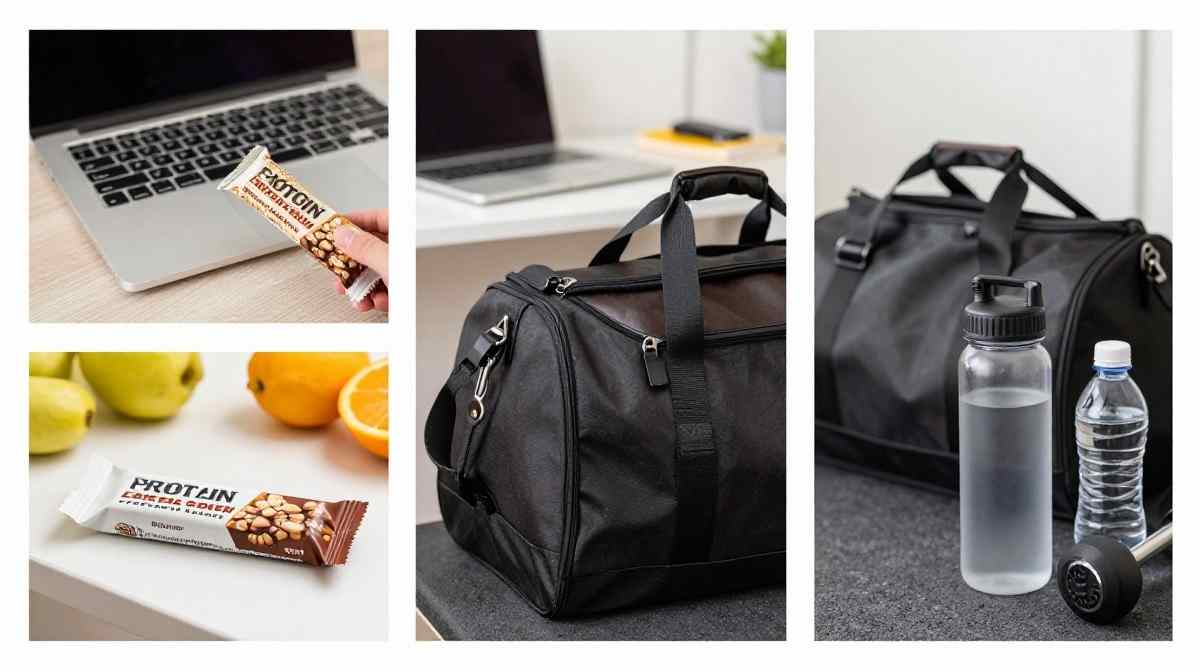
There is no single bar that works equally well for everyone.
Your best choice depends on when you eat it and what you need it to accomplish.
For a mid-morning or afternoon snack
Choose a moderate-calorie bar with enough protein and fiber to bridge the gap between meals.
Pairing it with water, coffee, tea, or a piece of fruit can make the snack more satisfying without turning it into a large meal.
Before exercise
You may prioritize carbohydrates and digestibility depending on the type and duration of exercise.
A very high-fiber bar may not feel comfortable immediately before intense exercise. Test new products during ordinary workouts rather than right before an important event.
After strength training
A protein-rich bar can be convenient when you cannot get a normal meal soon after training.
However, you do not need a special “post-workout” bar. Regular protein foods—including dairy, eggs, lean meats, soy foods, beans, and other protein-rich options—can also contribute to your daily intake. FDA guidance recommends choosing a variety of protein foods.
While traveling
Convenience becomes more important.
Look for individually wrapped bars with a nutrition profile you already tolerate. If you’re traveling in the U.S., keep an eye on portion sizes when buying multipacks at airports, convenience stores, or gas stations.
The best protein bars for weight loss are often the ones you can use consistently without turning a planned snack into an uncontrolled eating occasion.
Common Protein Bar Mistakes to Avoid
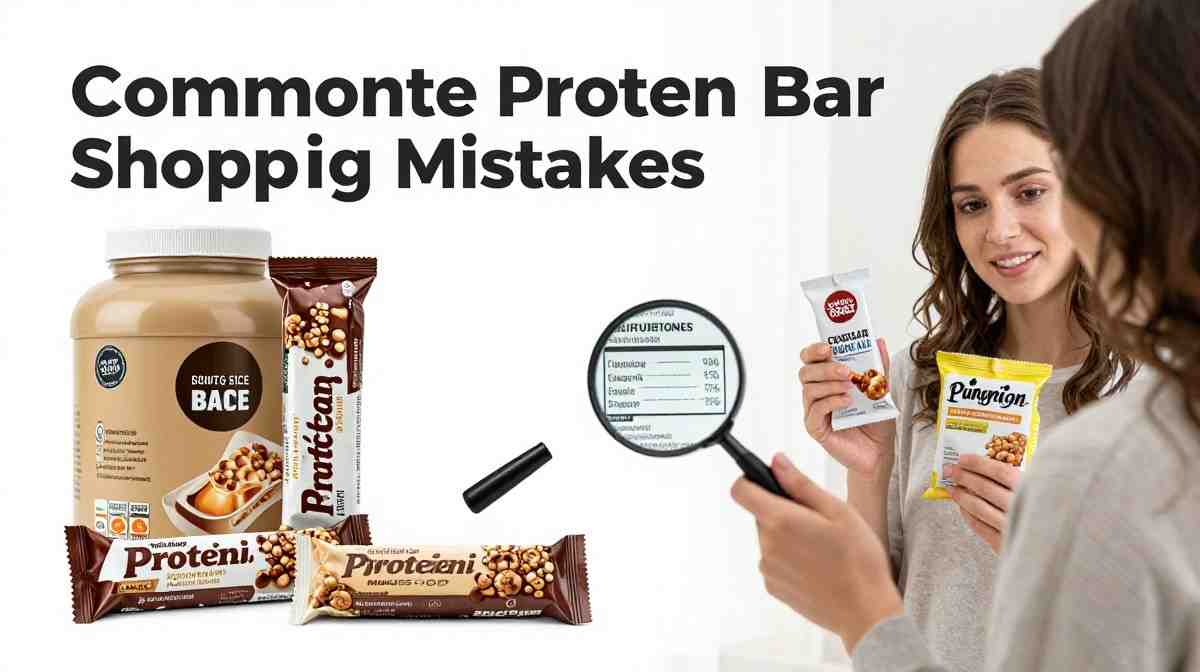
Mistake 1: Choosing the bar with the most protein
Protein is important, but “more” isn’t automatically “better.”
A 30-gram protein bar isn’t necessarily a better choice than a 15-gram bar if you don’t need the additional protein.
Mistake 2: Ignoring serving size
Always check the serving information first.
FDA guidance emphasizes that the calories and nutrients shown on the Nutrition Facts label generally correspond to one serving. Some packages contain more than one serving.
A package that looks like one snack may technically contain two servings.
Mistake 3: Trusting front-of-package claims
Words such as “natural,” “fit,” “energy,” “keto,” and “high protein” don’t tell you the complete nutritional story.
Turn the package around.
Compare the actual numbers and ingredients.
Mistake 4: Assuming protein bars are automatically healthy
A protein bar is still a processed food. It can be useful, but it doesn’t need to replace fruits, vegetables, whole grains, legumes, dairy, eggs, seafood, or other minimally processed foods in your diet.
Mistake 5: Eating bars in addition to your normal snacks
This is one of the easiest ways to accidentally increase calorie intake.
If you’re already eating a full breakfast, lunch, dinner, and several snacks, adding a protein bar simply because it is marketed as a fitness food may work against your calorie goal.
Instead, use it to replace a snack when it makes sense.
A Simple Protein Bar Shopping Checklist
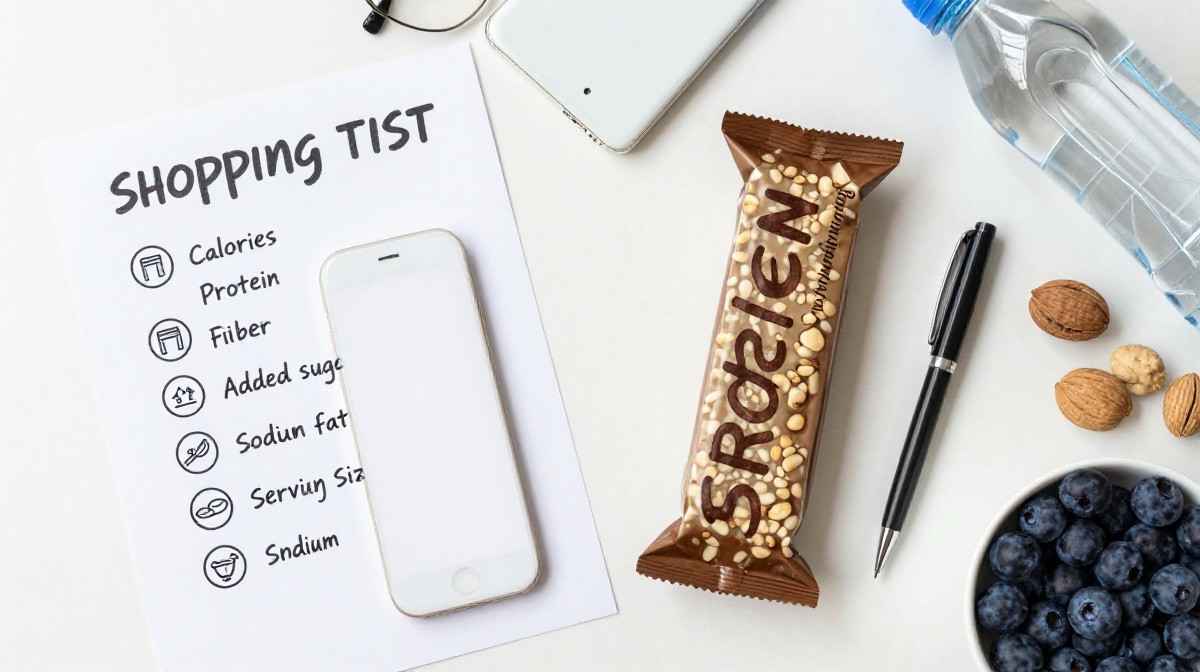
When you’re standing in a grocery aisle, use this five-step process.
Step 1: Check calories.
Decide whether the bar fits your intended snack or meal.
Step 2: Check protein.
Look for a useful amount based on your daily protein needs.
Step 3: Check fiber.
More fiber can be useful, provided you tolerate the ingredients.
Step 4: Check added sugar.
Compare the added-sugar grams between similar products.
Step 5: Read the ingredients.
Look for ingredients you recognize and consider whether the product agrees with your digestive system and dietary preferences.
A quick comparison might look like this:
| What to check | Practical question |
| Calories | Does it fit my daily calorie target? |
| Protein | Does it meaningfully contribute to my protein intake? |
| Fiber | Will it help make the snack satisfying? |
| Added sugar | Is there a lower-sugar alternative I prefer? |
| Saturated fat | Is this reasonable for the rest of my diet? |
| Sodium | Is this bar particularly high compared with alternatives? |
| Ingredients | Do I tolerate and prefer these ingredients? |
| Portion | Will I actually eat one serving? |
This approach is more reliable than choosing a product simply because it has the biggest “high protein” claim on the package.
Are Protein Bars Actually Helpful for Weight Loss?
They can be.
Research suggests higher protein intake can increase feelings of fullness, and systematic reviews have found modest benefits for body-weight management in some higher-protein dietary interventions. However, results vary, and protein alone does not guarantee weight loss.
Think of a protein bar as a tool rather than a weight-loss treatment.
For example, suppose you normally buy a pastry and a sugary coffee when you’re hungry at work. Replacing the pastry with a protein bar that better fits your calorie and protein needs may make your overall eating pattern easier to manage.
On the other hand, if you already have a balanced meal planned, adding a protein bar simply because it is labeled “high protein” may not be useful.
The best protein bars for weight loss should solve a real problem: hunger, convenience, portability, or difficulty meeting your protein needs.
When a Whole-Food Snack May Be Better
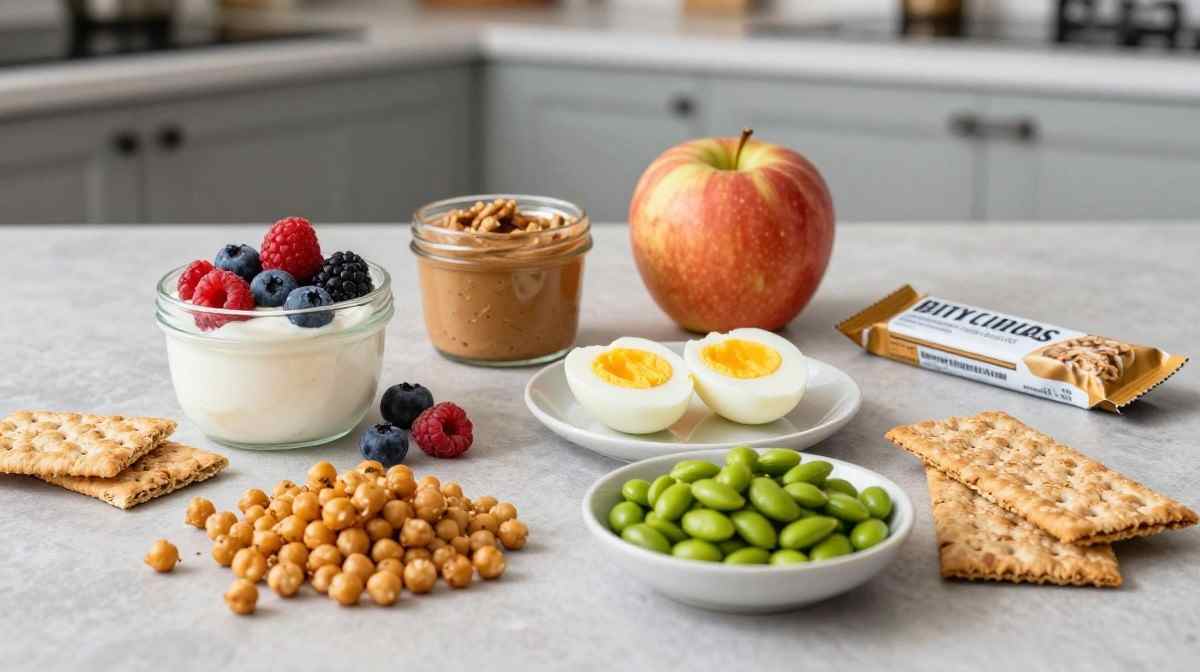
Protein bars are convenient, but convenience is their biggest advantage—not necessarily their nutritional superiority.
Depending on your situation, alternatives include:
- Greek yogurt with berries
- Cottage cheese with fruit
- Hard-boiled eggs and fruit
- Apple with peanut or almond butter
- Edamame
- Roasted chickpeas
- Tuna with whole-grain crackers
- A small smoothie containing protein-rich ingredients
Whole foods can provide protein along with vitamins, minerals, fiber, and other nutrients.
If you have time and access to a refrigerator or kitchen, a whole-food snack may be just as practical.
Frequently Asked Questions
What should I look for in a protein bar for weight loss?
Focus on the entire nutrition label rather than protein alone. Compare calories, protein, fiber, added sugar, saturated fat, sodium, serving size, and ingredients. The right balance depends on your individual calorie and protein needs.
Can I eat a protein bar every day?
Yes, a protein bar can fit into a balanced diet every day if it suits your nutritional needs and overall calorie intake. However, variety matters, so don’t rely on bars as your primary source of protein or nutrition.
How much protein should a protein bar have?
There is no universal amount that everyone needs. A bar containing roughly 10–20+ grams can be a practical snack option, but your ideal amount depends on your total daily protein intake, body size, activity level, age, and dietary goals.
Are low-carb protein bars better for weight loss?
Not necessarily. Lower carbohydrate content does not automatically make a food better for weight management. Calories, protein, fiber, added sugar, food quality, and your overall dietary pattern matter more than one nutrient in isolation.
Should I eat a protein bar before or after a workout?
Either can work depending on your schedule and nutritional needs. Before exercise, consider digestibility and how much time you have before training. After exercise, a protein bar can be convenient when a normal meal isn’t immediately available.
Final Takeaway
Finding the best protein bars for weight loss is less about discovering a magical product and more about learning how to evaluate labels.
Start with calories. Then consider protein and fiber. Check added sugar, saturated fat, sodium, serving size, and ingredients. Most importantly, think about how the bar fits into your entire diet.
A convenient protein bar can be a smart choice when it replaces a less satisfying snack or helps you stay prepared during a busy day. But it should complement a balanced diet rather than become the foundation of one.
If you’re shopping in the U.S., use the Nutrition Facts label as your primary comparison tool and choose products that fit your own nutritional needs, preferences, budget, and routine. When in doubt—especially if you have kidney disease, diabetes, food allergies, or another medical condition—consider discussing your protein intake with a registered dietitian or qualified healthcare professional.
Read More: Pink Salt Trick Recipe for Weight Loss: Does It Really Work?