
Table of Contents
What is DentaBiome ?
A daily oral-care routine usually starts with brushing and flossing. But supplements aimed at the oral microbiome have become increasingly popular, especially among people looking for extra support for gum health, fresher breath, and a cleaner-feeling mouth.
DentaBiome is marketed as an oral-health supplement designed to complement normal dental hygiene. The product’s website describes a formula built around postbiotics, probiotic-related ingredients, natural extracts, enzymes, minerals, and other compounds intended to support the oral environment.
That sounds promising, but there is an important distinction between what a product is designed to support and what has been proven in high-quality clinical trials. In this review, we’ll look at what the formula claims to do, what current research says about oral probiotics, how to use an oral supplement responsibly, and what to consider before buying.
This supplement may be worth considering as a supplemental part of an oral-care routine, but it should not replace brushing, flossing, professional cleanings, or treatment for diagnosed dental disease.
What Is This Oral Health Supplement?
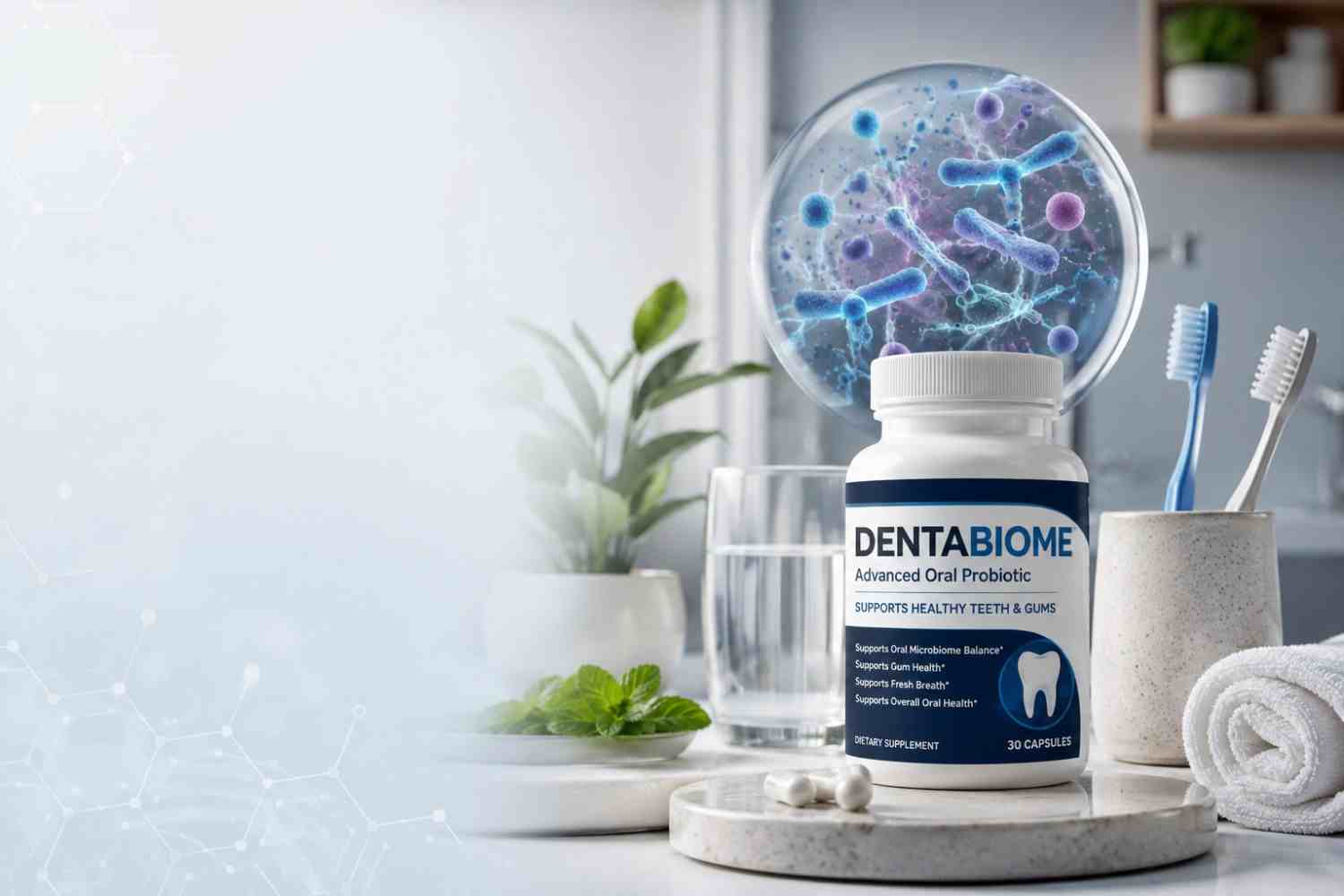
The product is presented by its manufacturer as a daily oral wellness supplement for adults. Its stated purpose is to support healthier teeth and gums, fresher breath, and a balanced oral microbiome.
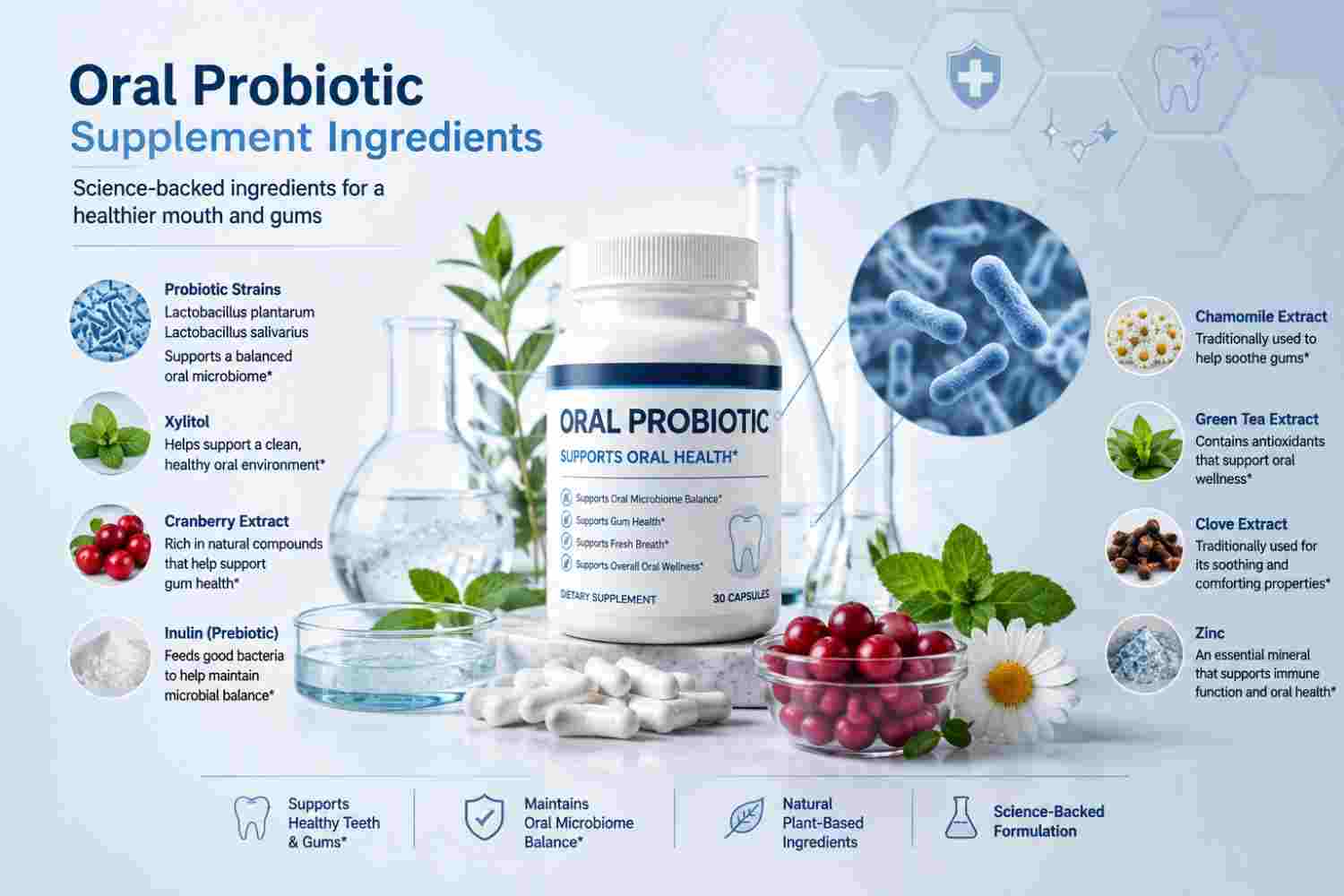
The product’s official site says its formula includes four key probiotic strains and other oral-health-supporting compounds. Another product page describes ingredients including a dual-strain Lactobacillus plantarum complex and Lactobacillus salivarius. Because formulations and marketing claims can change, check the current product label before making a purchase.
The basic idea behind DentaBiome is straightforward: the mouth contains a large community of microorganisms, and researchers are studying whether selected beneficial bacteria or their byproducts can influence that ecosystem.
This is an active area of dental research. A 2024 systematic review of 21 studies found generally favorable results for probiotics used alongside periodontal treatment, but the authors also noted that more research is needed to determine the most appropriate strains, doses, and treatment durations.
What does the oral microbiome have to do with dental health?
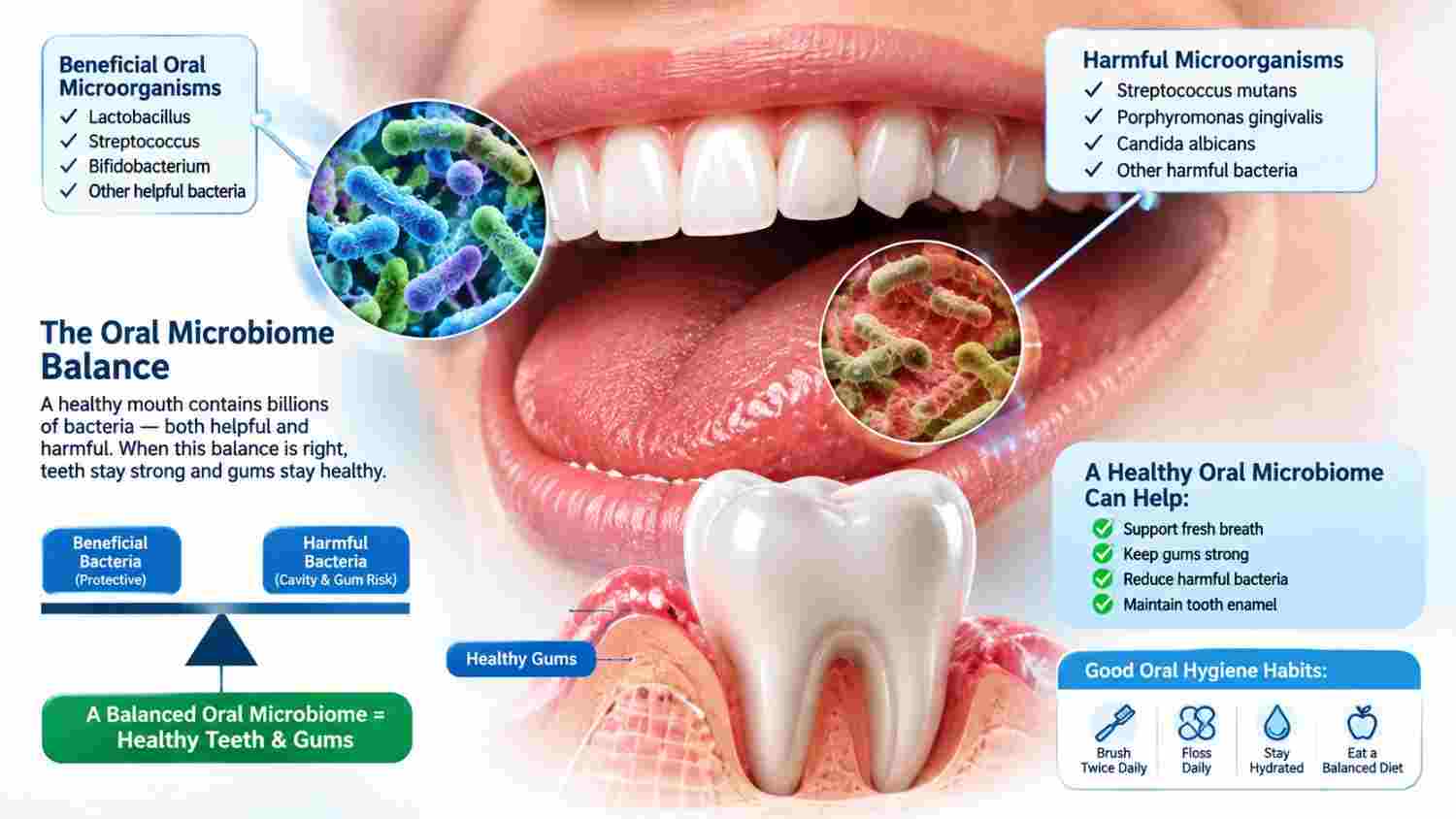
Your mouth is home to hundreds of microbial species. Problems can arise when the balance between microorganisms and the surrounding environment shifts in an unhealthy direction.
That does not mean that all bacteria are harmful or that taking a probiotic automatically fixes an oral-health problem. Oral health also depends on plaque control, saliva, diet, smoking status, medications, systemic health, genetics, and regular professional care.
Ingredients: What Should You Look For?
When evaluating DentaBiome, don’t focus only on a long ingredient list. The more useful questions are:
- Which strains or active compounds are included?
- Are the amounts clearly disclosed?
- Is there human clinical evidence for those specific ingredients?
- Are the studies testing the same strain, dose, and delivery method?
- Are the product’s claims stronger than the available evidence?
The current DentaBiome product information highlights ingredients such as L. plantarum and L. salivarius. These species have been studied in oral-health research, but evidence for one strain or formulation cannot automatically be transferred to every supplement containing the same species.
That point matters. In probiotic research, the strain can be just as important as the species. Results from one strain should not be treated as proof that every product containing a related microorganism will produce the same outcome.
Probiotics vs. postbiotics
The terminology can also be confusing. Probiotics generally refer to live microorganisms administered in adequate amounts for a health benefit. Postbiotics are preparations of inanimate microorganisms and/or their components that provide a health benefit.
If a product describes itself using both terms, read the current label carefully rather than assuming it contains live cultures in the same form used in a clinical trial.
Does It Work?
The honest answer about DentaBiome is more nuanced than a simple yes or no.
Research suggests that some oral probiotics may provide short-term improvements in certain periodontal measures, particularly when used as an adjunct to conventional treatment. A meta-analysis of randomized trials found improvements in probing depth, clinical attachment level, bleeding, plaque, and gingival measures at around three months, but the benefits were not consistently maintained at six months.
Other reviews have been more cautious. An earlier systematic review found that probiotic treatment produced mostly short-term benefits and that lasting clinical benefits had not been demonstrated in the studies it evaluated.
So, if you’re considering DentaBiome, think of it as a potential supporting measure, not a stand-alone treatment for cavities, gum disease, tooth infections, or advanced periodontal disease.
Potential benefits
Depending on the formulation and individual response, an oral-health supplement may be intended to support:
| Goal | What the evidence suggests |
| Gum comfort | Some probiotic studies report improvements in gingival inflammation |
| Plaque control | Possible modest benefit in some studies, but results vary |
| Breath freshness | Certain probiotic strains have been studied for effects on oral malodor |
| Oral microbiome balance | A plausible research area, but outcomes depend on the specific strain |
| Periodontal support | Potential adjunctive benefit alongside professional treatment |
These are potential benefits, not guarantees. Individual results can vary, and evidence for a specific commercial formula may be more limited than evidence for individual probiotic strains.
How to Use It Responsibly
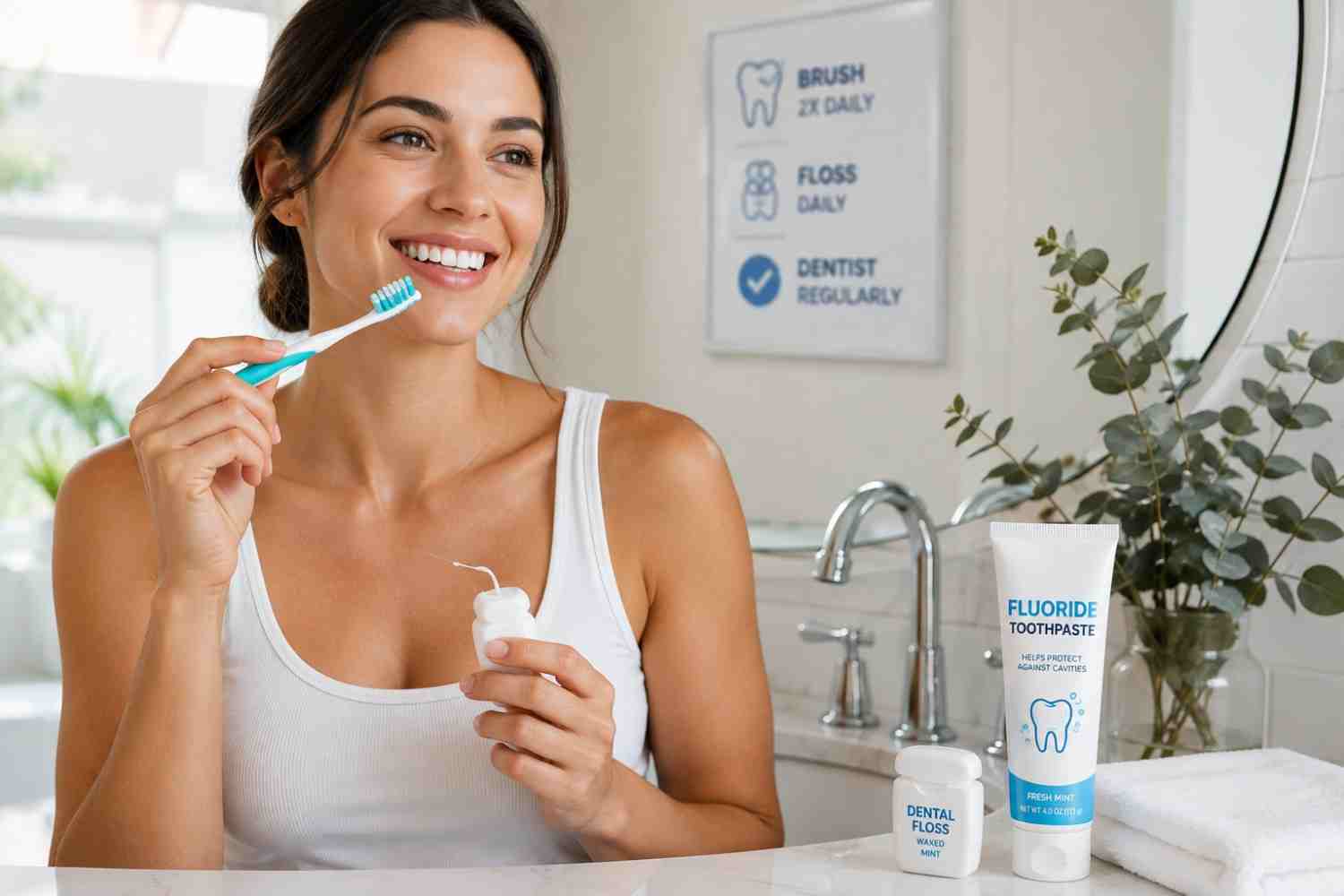
If you decide to try DentaBiome, the safest approach is to treat it as an addition to—not a replacement for—basic dental care.
A practical routine looks like this:
- Brush twice daily with fluoride toothpaste.
- Clean between your teeth daily with floss or another appropriate interdental cleaner.
- Follow the product label rather than improvising the serving size.
- Keep regular dental appointments, particularly if you have bleeding gums, persistent bad breath, sensitivity, or tooth pain.
- Give your dentist the full supplement list so they can consider it alongside your medications and health history.
Common mistakes to avoid
Replacing brushing with a supplement:
No oral supplement can physically remove plaque from tooth surfaces the way brushing and interdental cleaning do.
Expecting a supplement to reverse cavities:
A supplement should not be viewed as a substitute for diagnosis and restorative dental treatment.
Assuming “natural” means risk-free:
Natural ingredients can still cause side effects, allergies, or interactions.
Ignoring persistent symptoms:
Bleeding gums, swelling, pus, loose teeth, facial swelling, or significant tooth pain deserve professional evaluation.
Who Might Consider It—and Who Should Be More Cautious?
This type of supplement may appeal to adults who already have a consistent dental-care routine and want to explore an additional oral-wellness product.
However, extra caution makes sense if you:
- Are pregnant or breastfeeding.
- Have a significant medical condition.
- Take prescription medicines regularly.
- Have a weakened immune system.
- Have a diagnosed dental infection or advanced gum disease.
- Are preparing for surgery or have been advised to avoid certain supplements.
The right decision depends on the individual. If you have active dental symptoms, getting the underlying problem diagnosed is more important than adding another supplement.
DentaBiome vs. Professional Dental Care
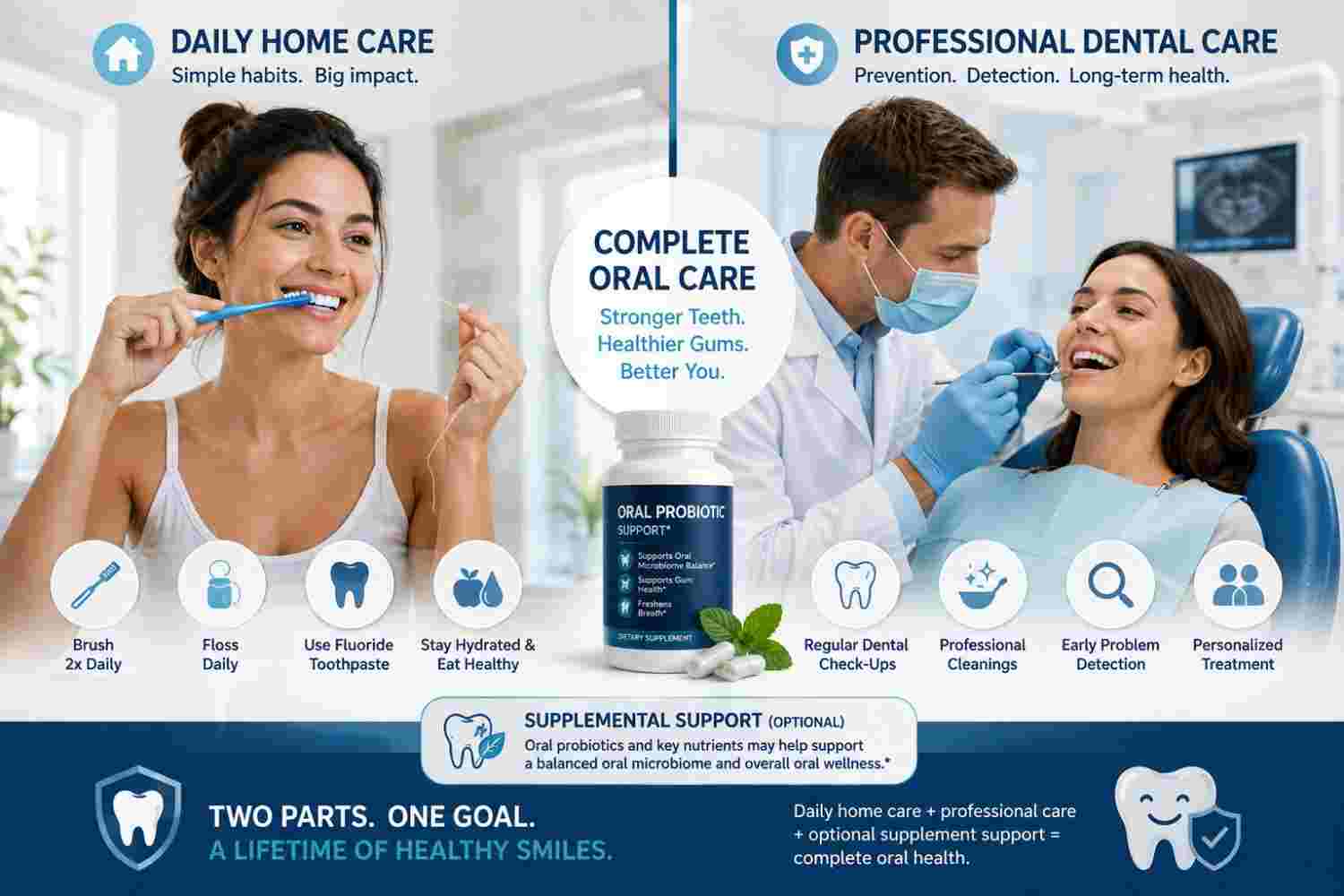
This is where expectations matter most.
A supplement can potentially complement a routine, but it cannot perform the functions of a dental examination, X-ray when indicated, professional cleaning, periodontal therapy, fillings, crowns, or treatment for infection.
Think of oral care as a system:
Daily habits → professional prevention → early diagnosis → treatment when necessary
A supplement sits, at most, in the first category as an optional addition. It should not become the foundation of your oral-health plan.
Is It Worth Buying?
Whether DentaBiome is worth buying depends on what you expect from it.
It may make sense if you understand that:
- The product is a supplement, not a replacement for dental treatment.
- Research on oral probiotics is promising but not uniform.
- Evidence can differ substantially between strains and formulations.
- Long-term outcomes remain less certain than short-term findings.
- You are comfortable evaluating the current label, serving instructions, price, and return policy before ordering.
If your main problem is tooth pain, a swollen gum, a broken tooth, or persistent bleeding, spending money on a supplement should not delay a dental visit.
For readers researching the product, the manufacturer’s current information is the best place to verify the latest ingredient list and usage directions.
Frequently Asked Questions
Is this supplement a probiotic?
The product is marketed around probiotic/postbiotic-style oral-health ingredients. However, the exact formulation and terminology can change, so check the current label and manufacturer’s information before purchasing.
Can it replace brushing and flossing?
No. Brushing with fluoride toothpaste and cleaning between teeth remain fundamental parts of oral hygiene. A supplement should only be considered an optional addition.
Can probiotics improve gum health?
Some clinical studies suggest that selected probiotics may improve certain measures of gingival or periodontal health, particularly as an adjunct to conventional treatment. However, results vary, and long-term benefits are still being studied.
How long does it take to see results?
There is no reliable universal timeline. Studies of oral probiotics have used different strains, doses, delivery methods, and treatment periods. That makes it difficult to promise a specific result after a fixed number of days.
Should I take an oral supplement if I have gum disease?
Talk with a dentist first. Probiotics may have a role as an adjunct in some periodontal-care settings, but they should not replace professional diagnosis or evidence-based treatment.
Final Verdict
DentaBiome is best viewed as an optional oral-wellness supplement rather than a shortcut to better dental health. Research into oral probiotics is encouraging in some areas, especially as an adjunct to periodontal care, but the evidence is not strong enough to treat every probiotic product as clinically interchangeable.
If you’re considering it, start with the basics: brush twice a day, clean between your teeth, limit frequent sugary exposures, avoid tobacco, and keep up with dental checkups. Then evaluate any supplement based on its current ingredients, evidence, safety considerations, and cost.
For U.S. consumers, also remember that dietary supplements are not a substitute for professional medical or dental care. If symptoms persist or worsen, contact a qualified dental professional rather than relying on a supplement alone.
Read More: How to Choose the Best One for Better Breath, Gums, and Oral Health