
Table of Contents
Introduction to Best Juice for Weight Loss
Losing weight does not mean giving up every drink you enjoy. A refreshing glass of homemade juice can provide vitamins, minerals, and plant compounds while helping you add more fruits and vegetables to your daily routine. However, not every juice is equally helpful when your goal is to manage your weight.
Some drinks contain substantial amounts of sugar and calories, while others offer a lighter alternative to soda, sweetened coffee, or packaged fruit beverages. The difference often comes down to ingredients, portion sizes, and how the drink fits into your overall eating habits.
So, what is the best juice for weight loss? The answer depends on your nutritional needs, taste preferences, and daily calorie intake. Vegetable-based juices without added sugar are often practical choices because they can provide flavor and nutrients without the calories found in many sweetened beverages.
In this guide, you will discover seven juice options worth considering, simple recipes you can prepare at home, common mistakes to avoid, and practical advice for choosing drinks that support healthy weight management in the United States.
1. What Makes a Juice Helpful for Weight Loss?
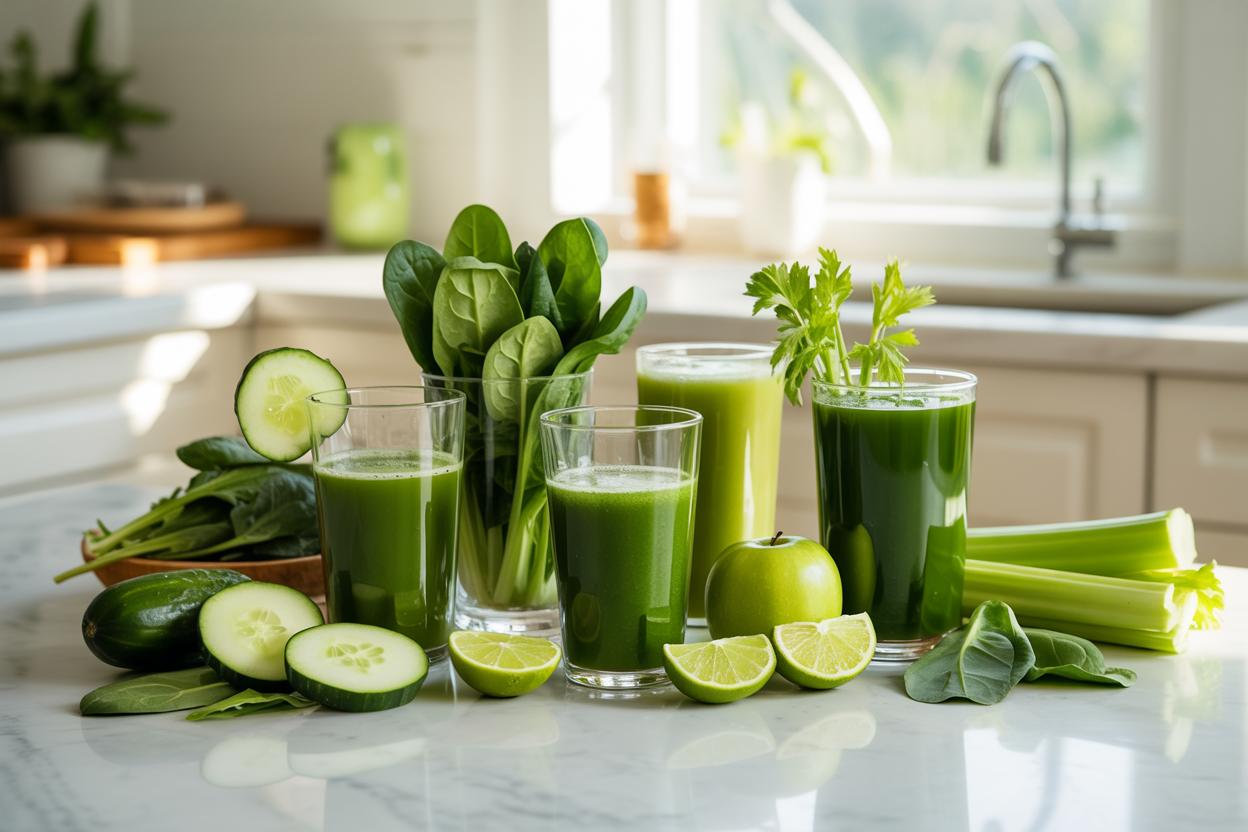
Before choosing a recipe, it helps to understand what juice can—and cannot—do for your body.
Quick answer: The most suitable juice for weight management is generally a low-calorie drink made primarily from vegetables, with little or no added sugar. It can complement a balanced diet but does not independently burn body fat.
Look beyond the ingredient list
A juice made with fresh ingredients is not automatically low in calories. For example, combining several apples, oranges, and other sweet fruits can create a drink containing considerable natural sugar and energy.
When comparing options, consider these factors:
- Calories: Choose a portion that fits your daily nutritional needs.
- Added sugar: Avoid sweetened juice drinks, syrups, and sugary concentrates.
- Fiber: Whole fruits and vegetables usually contain more fiber than their strained juices.
- Nutritional value: Look for ingredients that provide vitamin C, folate, potassium, and other beneficial nutrients.
- Satiety: Consider whether the drink leaves you satisfied or makes you hungry again quickly.
Does juice burn belly fat?
No specific juice has been proven to target belly fat or selectively burn fat from one area of the body. Fat loss generally occurs when you consistently consume fewer calories than your body uses.
Juice may help indirectly if it replaces a higher-calorie beverage. For example, replacing a sugary soft drink with a modest serving of unsweetened vegetable juice may reduce your overall calorie intake.
However, drinking juice in addition to your usual meals and snacks may increase your calorie intake rather than reduce it.
2. Seven Healthy Juice Options to Consider
The following drinks offer different flavors and nutritional benefits. They are ranked for practical everyday use rather than any special fat-burning effect.
1. Cucumber and celery juice
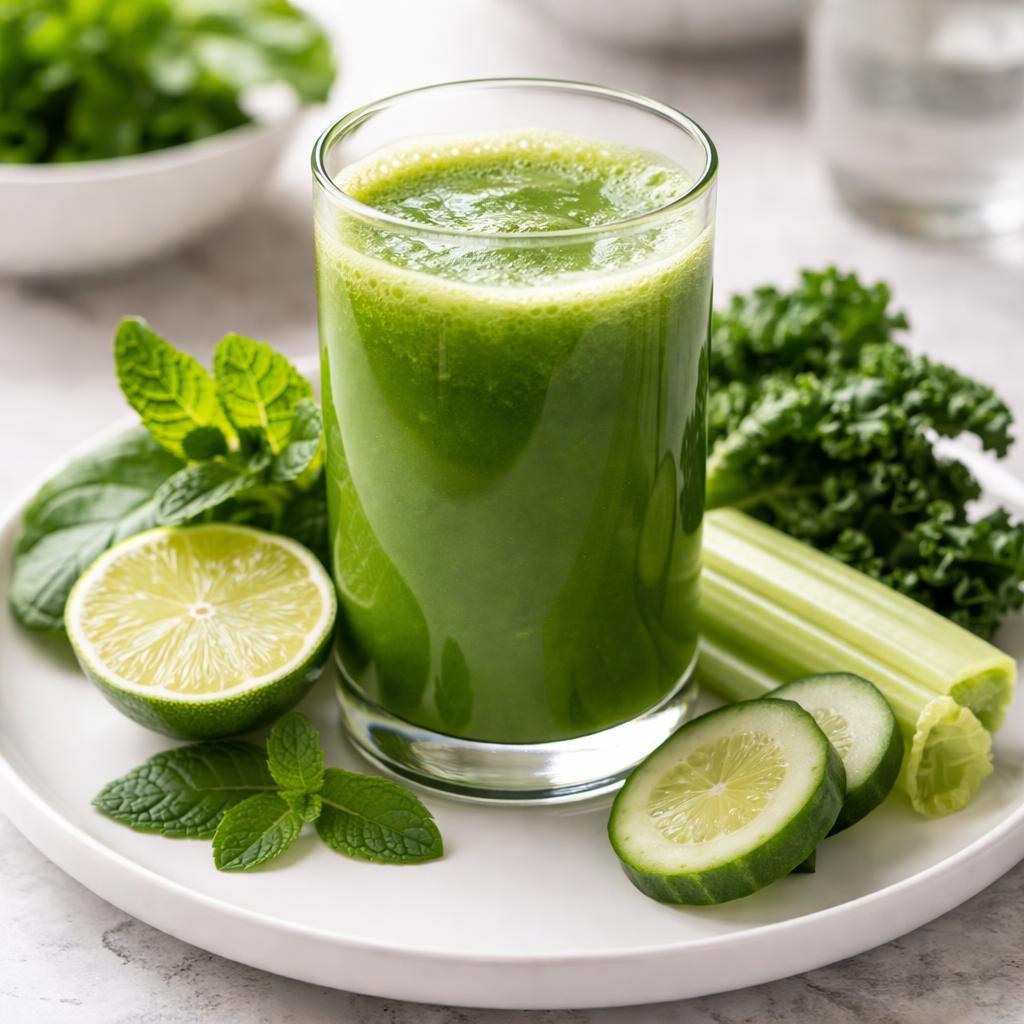
Best for: People who prefer a light, refreshing drink.
Cucumber and celery contain plenty of water and relatively few calories. Their mild flavor makes them easy to combine with herbs, lemon, or a small amount of ginger.
Ingredients:
- 1 medium cucumber
- 2 celery stalks
- Juice from half a lemon
- A few mint leaves
- Water as needed
Preparation: Wash the ingredients thoroughly, chop them into smaller pieces, and process them in a juicer. Alternatively, blend them with a little water and strain if you prefer a thinner texture.
Why consider it: This combination provides a refreshing alternative to sweetened drinks. Its naturally mild flavor also makes it suitable for people who dislike very sweet juices.
Practical tip: Keep the pulp when possible. If you blend the ingredients rather than extracting the juice, you retain more of their fiber.
2. Green spinach and cucumber juice
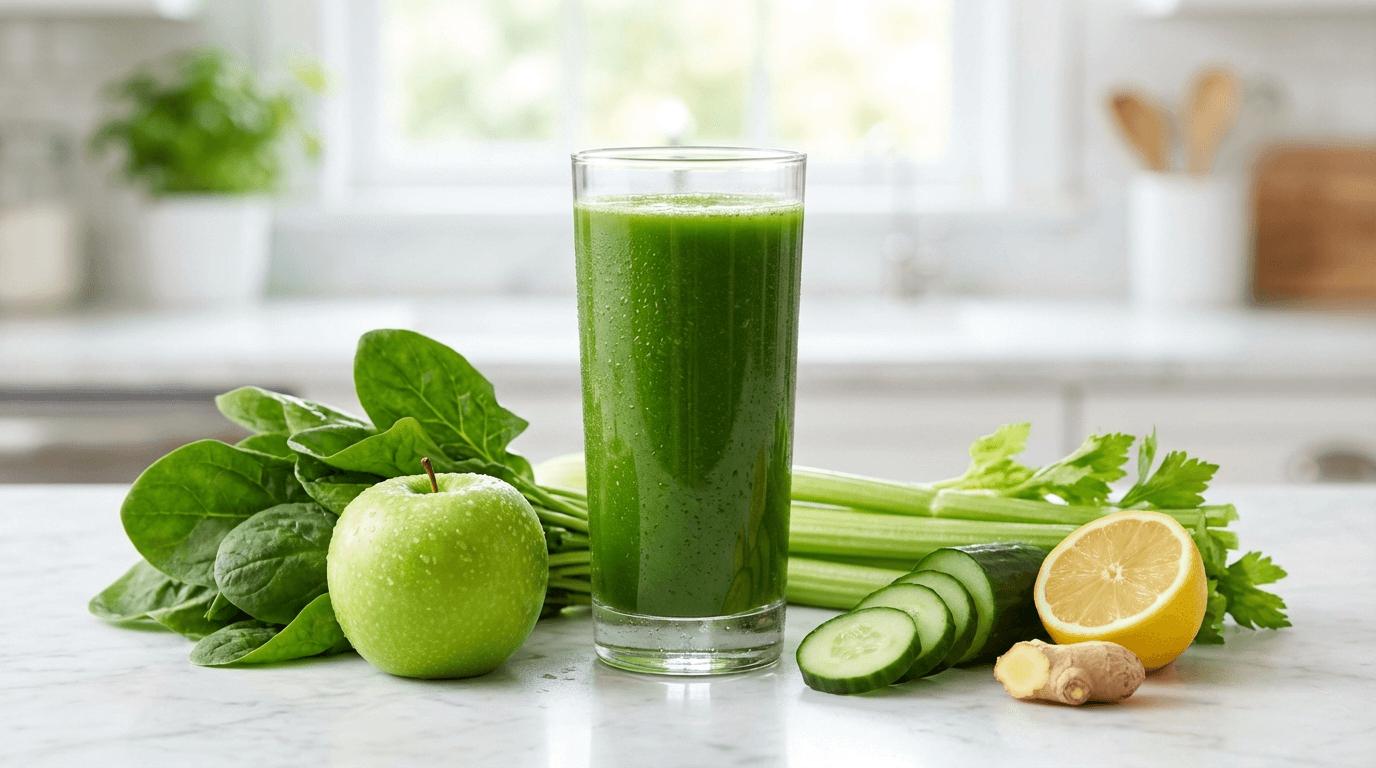
Best for: Adding more green vegetables to your routine.
Spinach provides folate, vitamin K, and other nutrients, while cucumber contributes water and a mild taste. A small amount of green apple can improve the flavor without making the drink excessively sweet.
Ingredients:
- 1 cup fresh spinach
- 1 medium cucumber
- Half a green apple
- A squeeze of lemon
- A little water
Preparation: Wash the produce, blend until smooth, and serve immediately. You can strain it if necessary, although doing so removes much of the fiber.
Benefits: This green drink can help increase your intake of vegetables and provide several essential micronutrients.
Common mistake: Adding multiple apples, bananas, honey, or fruit juice can significantly increase the calorie content. Start with a small amount of fruit and adjust the taste gradually.
If you take medication that affects potassium levels or have been advised to limit potassium, ask your healthcare professional whether frequent spinach-based drinks are appropriate for you.
3. Carrot and ginger juice
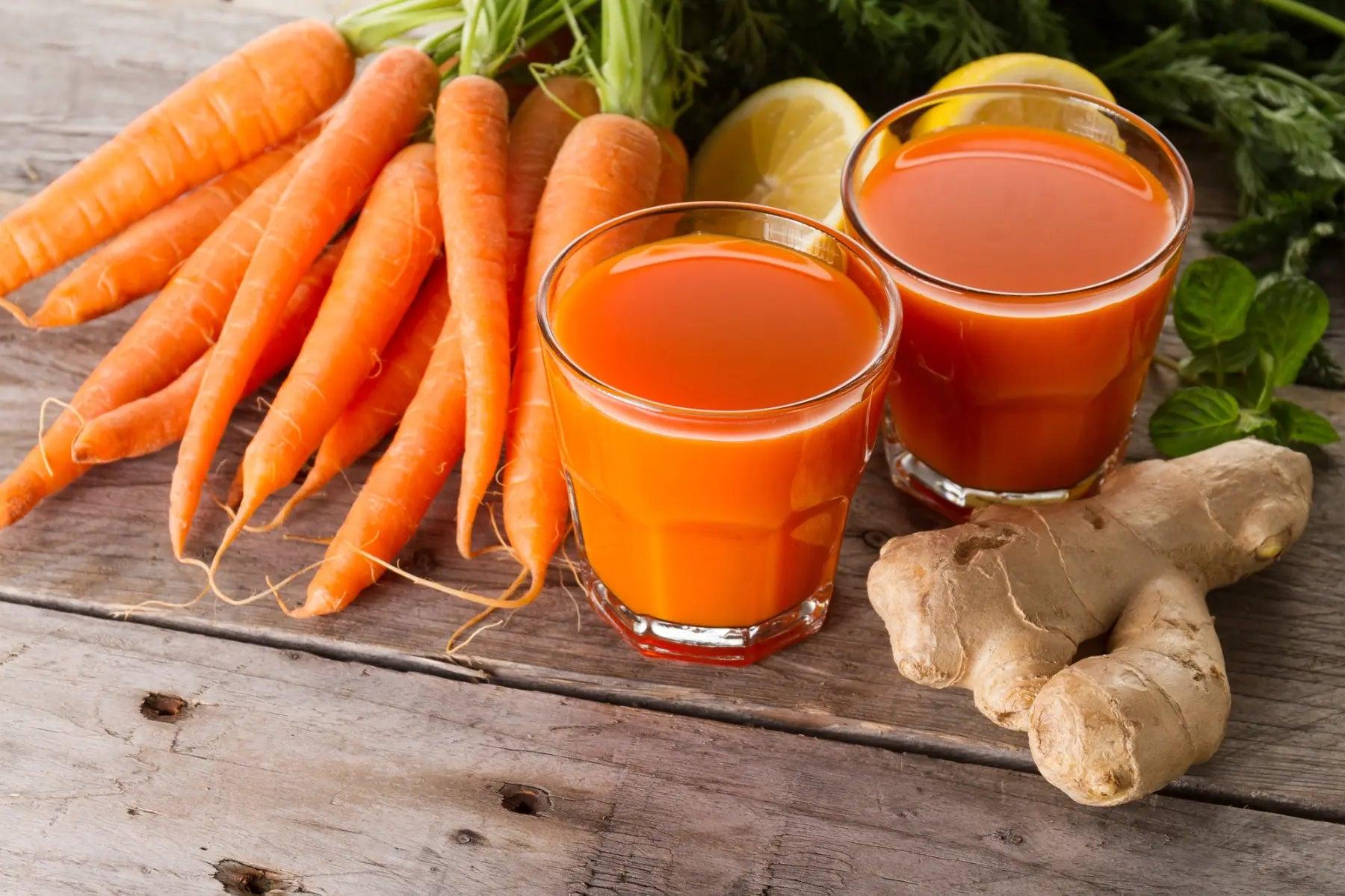
Best for: People who enjoy a slightly sweet drink with a spicy finish.
Carrots contain beta-carotene, which the body can convert into vitamin A. Ginger adds a distinctive flavor without requiring sugar.
Ingredients:
- 2 medium carrots
- A small piece of fresh ginger
- Half a lemon
- Water as needed
Preparation: Wash and chop the carrots, peel the ginger if desired, and process everything in a juicer. If using a blender, add water and blend thoroughly.
Why it works as a healthy option: Carrots provide useful nutrients, while ginger makes the drink flavorful without adding much energy in a typical small serving.
Tip: If you enjoy the natural sweetness of carrots, avoid adding honey or sugar. Remember that juicing can remove much of the fiber found in whole carrots.
4. Tomato and lemon juice
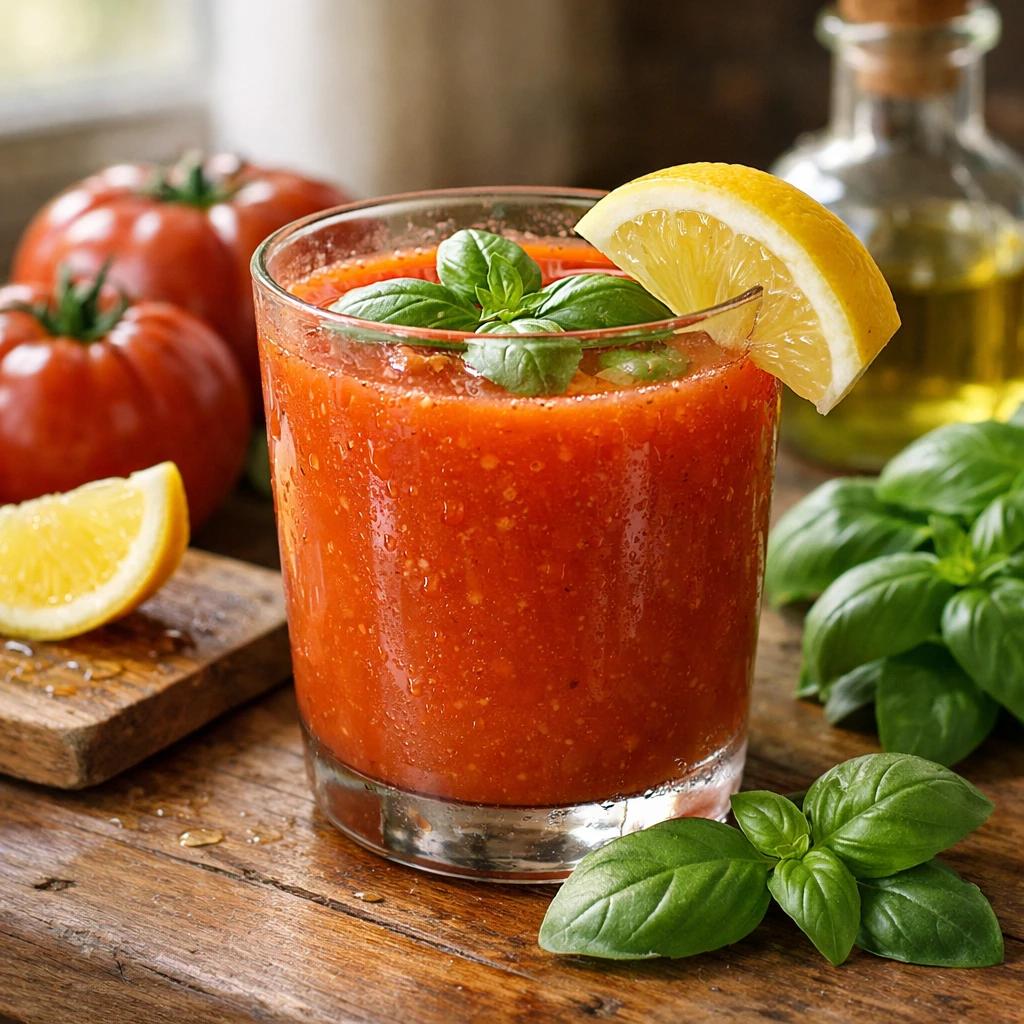
Best for: A savory, low-sugar alternative to fruit juice.
Tomatoes are rich in vitamin C and contain lycopene, a plant compound that gives them their red color. Their savory flavor makes this recipe a useful option for people who do not want a sweet drink.
Ingredients:
- 2 medium ripe tomatoes
- Juice from half a lemon
- A few basil leaves
- Black pepper to taste
- A splash of water, if needed
Preparation: Blend the ingredients until smooth. Serve chilled or at room temperature.
Benefits: Tomato juice can supply nutrients while offering a different flavor profile from conventional fruit juices.
Watch the sodium: If you use packaged tomato juice, check the Nutrition Facts label. Some products contain substantial amounts of sodium, which may matter if you need to limit salt.
5. Beetroot and carrot juice
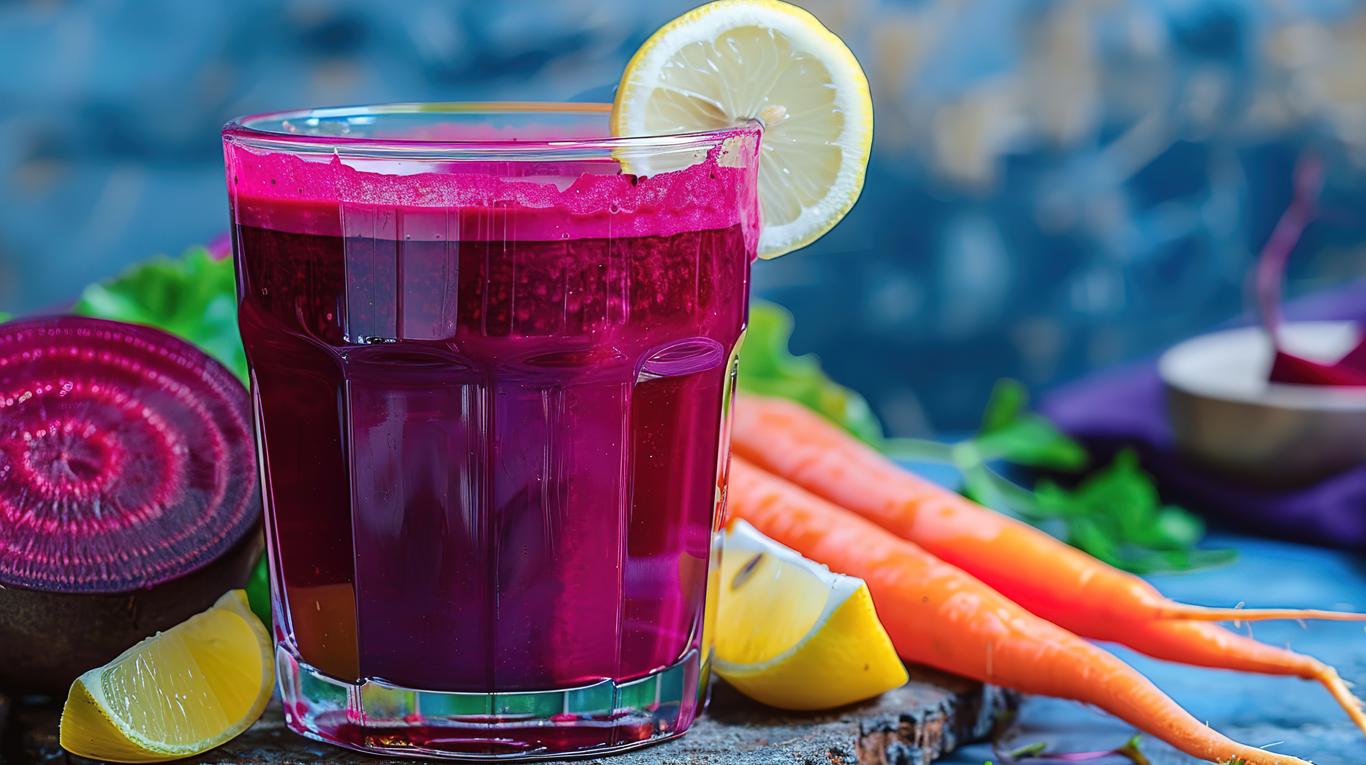
Best for: People looking for a colorful drink with a naturally earthy flavor.
Beetroot contains folate and dietary nitrates, while carrots contribute beta-carotene. Together, they create a vibrant drink that can fit into a varied eating pattern.
Ingredients:
- Half a small beetroot
- 1 medium carrot
- Half an apple
- A squeeze of lemon
- Water as needed
Preparation: Wash and peel the beetroot if desired. Chop all ingredients, process them in a juicer, and serve in a small glass.
Benefits: This combination provides plant nutrients and a naturally sweet taste. Beetroot juice has also been studied for its effects on blood pressure and exercise performance, although those findings do not establish it as a weight-loss treatment.
Common mistake: Treating a nutritious juice as a meal replacement. This drink generally does not provide enough protein, fat, or fiber to make a balanced meal on its own.
6. Watermelon and mint juice
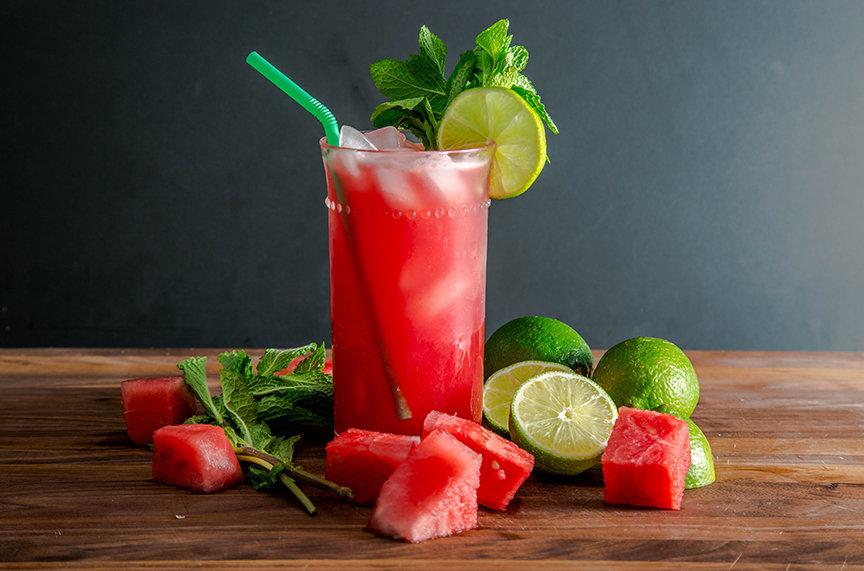
Best for: A refreshing drink in warm weather.
Watermelon has a high water content and provides vitamin C and other nutrients. Mint adds freshness, so you can enjoy the flavor without added sweeteners.
Ingredients:
- 1 cup diced watermelon
- A few fresh mint leaves
- A squeeze of lime
- Ice, if desired
Preparation: Remove the rind and seeds as appropriate, blend the watermelon with mint and lime, and serve chilled.
Benefits: This recipe can help satisfy a desire for a refreshing, naturally sweet beverage.
Keep portions reasonable: Watermelon still contains calories and natural sugars. Blending and consuming the whole fruit preserves more fiber than extracting and discarding the pulp, making a smoothie-style drink a useful alternative.
7. Orange and carrot juice
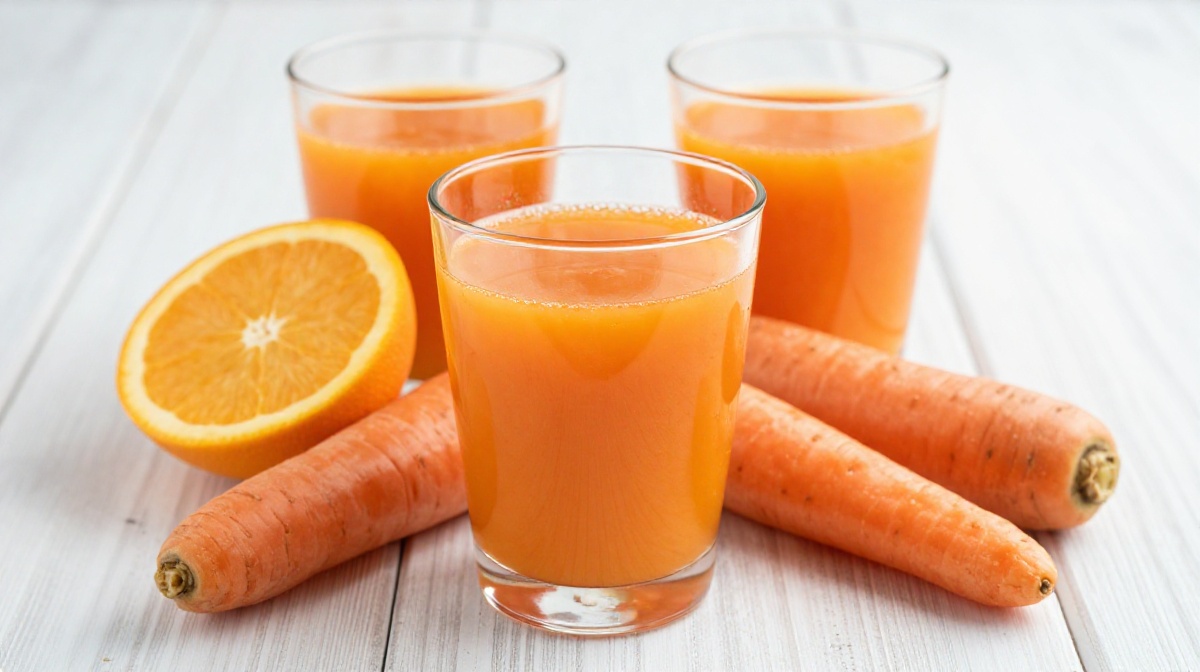
Best for: People transitioning from packaged sweet drinks to homemade alternatives.
Oranges provide vitamin C, while carrots add beta-carotene and natural sweetness. The combination offers a familiar flavor that may be easier to enjoy than strongly flavored vegetable juices.
Ingredients:
- 1 small orange
- 1 medium carrot
- A small piece of ginger, optional
- Water as needed
Preparation: Peel the orange, wash and chop the carrot, and blend the ingredients with a little water. Avoid adding sugar.
Benefits: This drink provides useful nutrients and may be a more appealing option for people who are new to vegetable-based drinks.
Tip: Eat the orange and carrot whole when possible, or blend them without straining. Whole produce generally provides more fiber and often supports fullness better than juice alone.
3. Which Juice Is Best for Your Goals?
There is no single winner for everyone. The right choice depends on the flavor you enjoy, your nutritional needs, and whether the drink replaces a higher-calorie alternative.
| Juice option | Main advantage | Best practical use |
| Cucumber and celery | Light, refreshing flavor | Replacing sweetened beverages |
| Spinach and cucumber | Adds green vegetables | Increasing vegetable variety |
| Carrot and ginger | Naturally sweet and flavorful | An alternative to sugary drinks |
| Tomato and lemon | Savory, relatively low in sugar | People who prefer non-sweet drinks |
| Beetroot and carrot | Distinctive flavor and plant nutrients | An occasional vegetable-based drink |
| Watermelon and mint | Refreshing and naturally sweet | A summer beverage |
| Orange and carrot | Familiar fruit-and-vegetable flavor | Transitioning from packaged drinks |
If you want a simple starting point, choose cucumber and celery juice or tomato and lemon juice. Both can be prepared without added sugar, and their savory profiles make it easier to limit the amount of fruit in your drink.
Nevertheless, do not assume that every homemade version has the same calorie content. Ingredient quantities, preparation methods, and serving sizes all affect the final drink.
4. How to Drink Juice Without Undermining Weight Loss
Choosing nutritious ingredients is only part of the process. How you serve and consume your drink also matters.
Choose an appropriate serving size
For many adults, a small glass of approximately 4–6 fluid ounces (120–180 mL) is a reasonable starting point when drinking juice. This is a practical portion suggestion, not a universal medical recommendation.
The best amount depends on the ingredients and your overall dietary needs. A large glass made from several pieces of fruit can contain substantially more calories than a small vegetable-based serving.
Prefer whole produce when practical
Juicing separates liquid from much of the solid material in fruits and vegetables. That means you may lose a significant amount of dietary fiber, depending on the equipment and preparation method.
Fiber helps support digestive health and can contribute to fullness. Blending whole produce into a smoothie usually preserves more fiber than straining it.
For everyday nutrition, consider this order of preference:
- Whole fruits and vegetables.
- Smoothies made with whole produce and balanced ingredients.
- Small servings of fresh juice without added sugar.
- Sweetened juice drinks and beverages with added syrups less often.
Pair your drink with balanced meals
Juice is not a complete meal. It typically contains little protein and may contain limited fiber, depending on how it is prepared.
Instead of drinking juice to suppress hunger, combine your daily meals with foods such as:
- Eggs, beans, lentils, tofu, fish, or plain yogurt for protein.
- Whole grains such as oats and brown rice.
- Vegetables and whole fruits for fiber.
- Nuts, seeds, olive oil, or other sources of unsaturated fats.
For example, a breakfast of eggs, whole-grain toast, and fruit will generally provide a broader range of nutrients and more staying power than juice alone.
Read labels on packaged products
In the United States, check the Nutrition Facts panel for serving size, total calories, and added sugars. Also read the ingredient list to determine whether the product is 100% juice or a sweetened juice beverage.
A product labeled “natural” or “made with real fruit” is not necessarily low in calories or added sugar.
5. Common Juice Mistakes That Can Slow Your Progress
Even nutritious drinks can work against your goals if you rely on them in the wrong way. Avoid these common mistakes when planning your routine.
Replacing meals with juice
Juice-only diets may provide too little protein, essential fats, and other nutrients. They can also leave you hungry and make it harder to maintain your eating habits over time.
A more sustainable approach is to eat balanced meals and enjoy juice as an optional beverage.
Adding too much fruit
Fruit contains beneficial nutrients, but using several servings in one glass can increase its calorie content.
Try combining cucumber, celery, spinach, or tomatoes with a small amount of fruit for flavor. You do not need to eliminate fruit; simply consider how much you use.
Buying juice drinks instead of actual juice
Some bottled beverages contain added sugar, sweeteners, or relatively little fruit juice. Others are 100% juice but still contain considerable natural sugar per serving.
Compare the nutrition labels instead of relying on front-of-package claims.
Expecting rapid results
No juice can guarantee rapid weight loss, eliminate belly fat, or compensate for an otherwise unbalanced diet.
Healthy weight management depends on consistent habits, including suitable food portions, regular physical activity, adequate sleep, and an eating pattern you can maintain.
Following juice cleanses or detox diets
Your liver and kidneys already perform essential functions involved in processing and removing waste from the body. There is no good evidence that a commercial juice cleanse removes unspecified toxins or produces lasting fat loss.
Restrictive cleanses can cause fatigue, hunger, and nutrient deficiencies. Some may also create problems for people taking medication or managing medical conditions.
6. A Simple Seven-Day Juice Routine
You do not need a complicated schedule to start. Use the following example to introduce variety while keeping whole foods at the center of your diet.
| Day | Drink to try | Practical pairing |
| Monday | Cucumber and celery | Breakfast with eggs and whole-grain toast |
| Tuesday | Spinach and cucumber | Oatmeal with nuts |
| Wednesday | Tomato and lemon | Lunch with beans and whole grains |
| Thursday | Carrot and ginger | Plain yogurt and whole fruit |
| Friday | Beetroot and carrot | A balanced meal with protein |
| Saturday | Watermelon and mint | A snack with nuts or yogurt |
| Sunday | Orange and carrot | Breakfast with oats or eggs |
This is a flexible example, not a prescribed diet. You can repeat your favorite drink, skip juice entirely on some days, or choose whole fruit instead.
For the best juice for weight loss, focus on the overall eating pattern rather than trying to drink a different recipe every day.
A practical shopping list
For one week of experimenting with these recipes, consider buying:
- Cucumbers and celery
- Spinach
- Carrots and beetroot
- Tomatoes
- Oranges and a small amount of green apple
- Watermelon
- Lemons and limes
- Fresh ginger and mint
Choose quantities based on the number of servings you intend to prepare. Wash produce thoroughly under running water and refrigerate cut ingredients promptly. Freshly prepared juice should be consumed promptly and handled safely because it may not receive a pasteurization treatment that destroys harmful microorganisms.
Frequently Asked Questions
1. What is the best juice for weight loss?
Cucumber and celery juice is a practical option because it is naturally low in calories when prepared without added sugar. Tomato and lemon juice is another good choice for people who prefer savory flavors. Neither drink directly burns body fat; results depend on your overall eating habits and energy balance.
2. Which juice is best for losing belly fat?
No particular juice specifically targets belly fat. Vegetable-based drinks can fit into a balanced eating plan, but reducing abdominal fat requires overall fat loss, which is influenced by diet, physical activity, sleep, and other individual factors.
3. Can I drink juice every day while trying to lose weight?
Yes, many people can include a small serving of juice in a weight-management plan. Choose unsweetened options, watch portion sizes, and prioritize whole fruits and vegetables for their fiber. People with diabetes, kidney disease, or other conditions requiring dietary restrictions may need individualized advice.
4. Is drinking juice on an empty stomach better for weight loss?
There is no convincing evidence that drinking juice on an empty stomach increases fat loss. You can enjoy it with a meal or at another convenient time. What matters more is your overall dietary pattern and whether the drink fits your nutritional needs.
5. Is homemade juice better than store-bought juice?
Homemade juice gives you more control over ingredients and added sugar. However, it is not automatically healthier than every packaged product. Some store-bought juices are 100% juice, while others contain added sweeteners. Compare serving sizes, calories, and added sugars, and remember that whole produce generally provides more fiber than strained juice.
Conclusion: Choose a Juice You Can Enjoy Consistently
Finding the best juice for weight loss does not require expensive ingredients, complicated recipes, or a restrictive detox program. Simple combinations such as cucumber and celery, tomato and lemon, and carrot and ginger can add variety to your daily routine without relying on added sugar.
The most important decision is how you incorporate these drinks into your overall diet. Keep portions reasonable, prioritize whole fruits and vegetables, eat balanced meals, and stay physically active. Remember that no single beverage can replace the habits that support long-term health.
Your next step: Choose one recipe from this guide, prepare a small serving, and compare how it fits into your usual meals. If you enjoy it, make it an occasional part of a balanced routine rather than expecting it to deliver results on its own.
Small, consistent changes are more useful than short-lived restrictions when building healthier habits.
Read More: Best Cat Food for Weight Loss: 7 Smart Choices for a Healthier Cat