
Table of Contents
If you’ve recently started Ozempic, one question is probably at the top of your mind: How much weight can I realistically lose in six weeks?
The truth is that Ozempic can support meaningful weight loss, but your results depend on several factors—including your starting weight, nutrition, physical activity, sleep, and whether you’re gradually increasing your dose under medical supervision.
This guide explains 6 week plan ozempic weight loss results using realistic expectations rather than exaggerated promises. You’ll learn what typically happens each week, how to maximize your progress, common mistakes to avoid, and what people in the USA should know about using Ozempic safely.
Important: Ozempic (semaglutide) is a prescription medication approved for type 2 diabetes. Some healthcare providers prescribe it off-label for weight management, while Wegovy contains semaglutide and is FDA-approved specifically for chronic weight management. Always follow your healthcare provider’s guidance.
What are realistic 6 week plan ozempic weight loss results?

Realistic 6 week plan ozempic weight loss results range from 3–10 pounds (1.5–4.5 kg) for many people, although individual outcomes vary. Most early weight loss comes from reduced calorie intake due to decreased appetite, while consistent nutrition and exercise help preserve muscle and improve long-term results.
Several factors influence your progress:
- Starting body weight and BMI
- Ozempic dosage and titration schedule
- Daily calorie intake
- Protein consumption
- Strength and cardio exercise
- Sleep quality and stress levels
The goal during the first six weeks isn’t rapid weight loss—it’s building sustainable habits that continue producing results over the following months.
Why the first six weeks matter
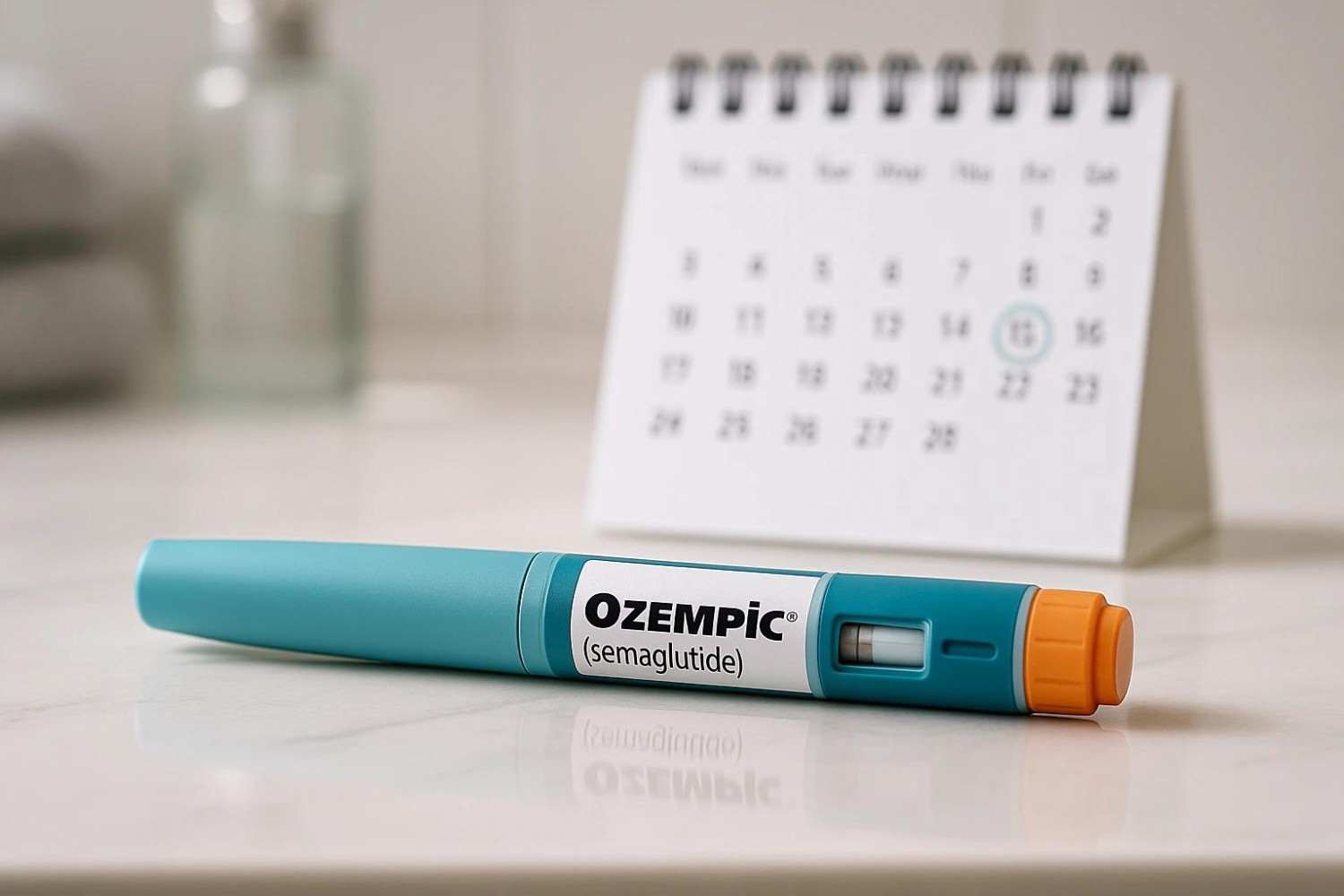
The beginning of treatment is often called the adaptation phase. Your body is adjusting to semaglutide while your appetite, digestion, and eating habits gradually change.
Instead of focusing only on the scale, pay attention to other improvements:
| Progress marker | Why it matters |
| Smaller appetite | Helps reduce calorie intake naturally |
| Better portion control | Supports sustainable eating habits |
| Reduced cravings | Makes healthy choices easier |
| Increased energy | Encourages regular activity |
| Better blood sugar control | Important for people with type 2 diabetes |
These changes often appear before dramatic weight loss.
Week-by-week: 6 week plan ozempic weight loss results timeline
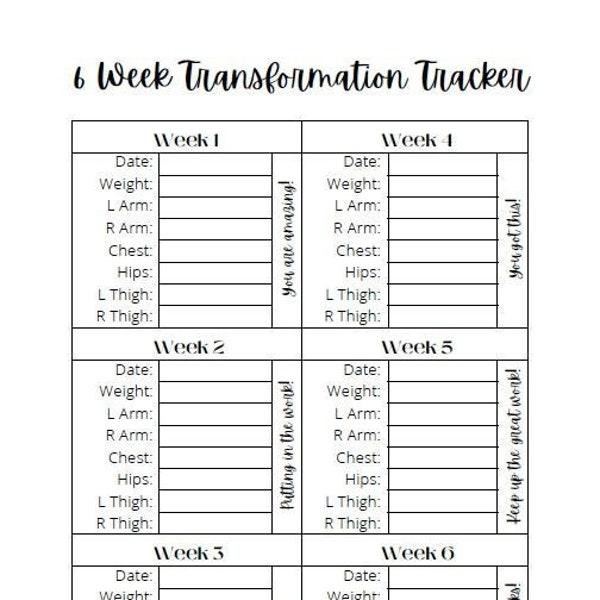
Every person responds differently, but this timeline reflects common patterns reported in clinical practice.
Week 1: Your body begins adjusting
Typical changes:
- Reduced appetite
- Feeling full sooner
- Mild nausea or bloating
- 0–2 lb weight loss
Focus on hydration and eating slowly. Don’t force large meals if you’re comfortably full.
Week 2: Cravings start decreasing
Many people notice fewer cravings for sugary or highly processed foods.
Priorities include:
- 25–35 g of protein per meal
- Plenty of vegetables
- 2–3 liters of water daily
- Gentle walking after meals
Expected progress: 1–3 lb total loss.
Week 3: Consistency becomes important
By now, healthy routines matter more than medication alone.
A good weekly target includes:
- 150 minutes of moderate activity
- Two strength-training sessions
- 7–9 hours of sleep
- Meal planning for busy days
Week 4: Visible habit changes
Your clothes may fit differently even if the scale slows temporarily.
You may notice:
- Smaller waist measurements
- Better appetite control
- Improved confidence with portion sizes
Plateaus during week four are completely normal.
Week 5: Fat loss becomes steadier
People who consistently meet protein and activity goals often continue making gradual progress.
Aim for:
- Lean protein at every meal
- Fiber-rich carbohydrates
- Healthy fats in moderation
- Minimal liquid calories
Week 6: Evaluate your progress
By the end of six weeks, 6 week plan ozempic weight loss results are best evaluated using multiple measurements—not just body weight.
Track:
- Weight
- Waist circumference
- Progress photos
- Energy levels
- Exercise performance
A modest, steady loss is usually healthier than dramatic fluctuations.
Sample 6-week Ozempic plan
This practical framework complements medical treatment. Adjust it with your healthcare provider.
| Week | Nutrition focus | Activity goal |
| 1 | Hydration + smaller meals | 20-minute walks |
| 2 | Increase protein | Walk 30 min, 5 days |
| 3 | Meal prep | Add 2 strength workouts |
| 4 | Increase fiber | 150 min weekly cardio |
| 5 | Reduce processed snacks | Progressive strength training |
| 6 | Review habits | Maintain consistent routine |
Notice that the plan emphasizes behavioral changes, not extreme dieting.
The best diet strategy for 6 week plan ozempic weight loss results
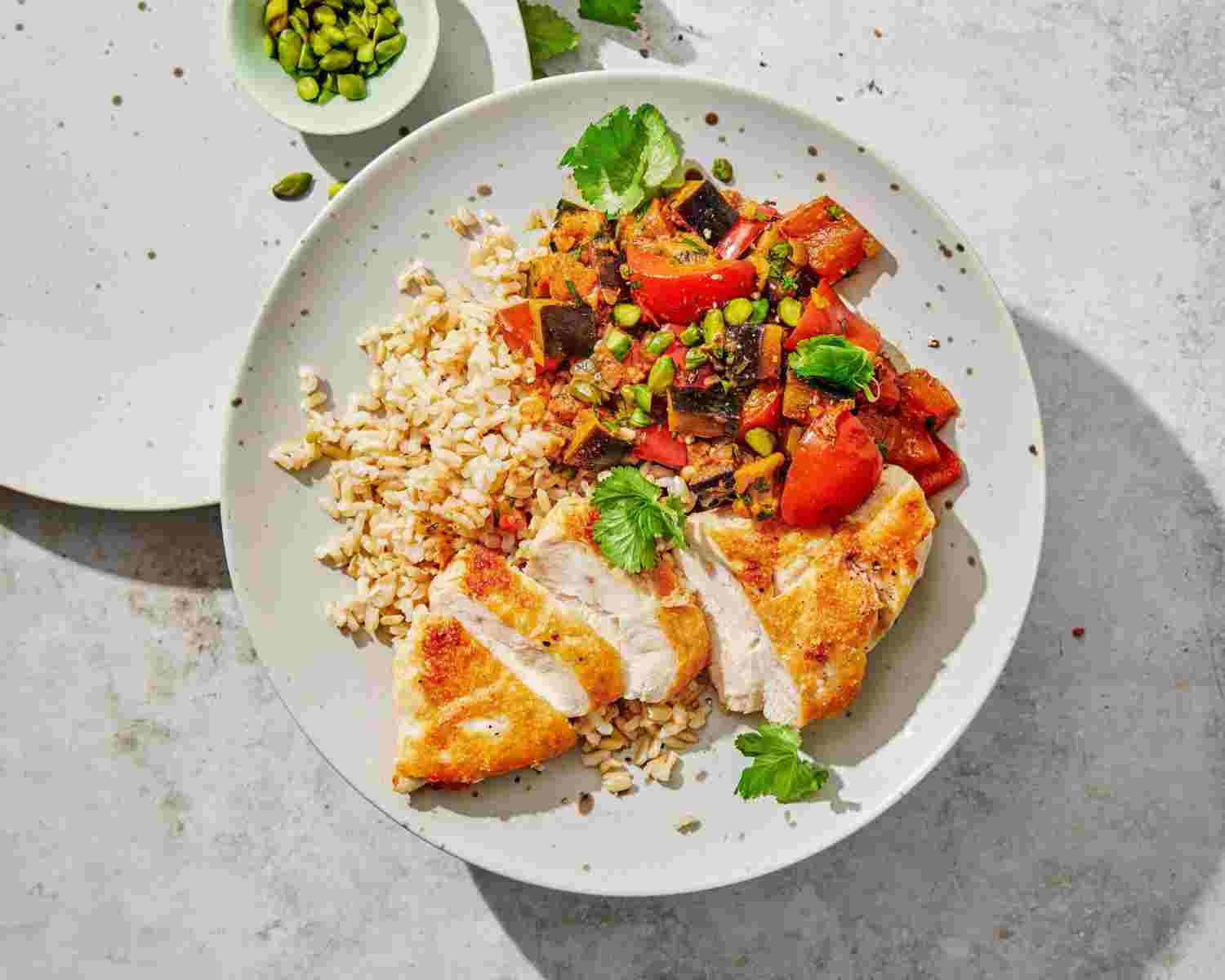
Medication works best when paired with nutritious eating habits.
Prioritize protein first
Protein helps preserve muscle while losing fat.
Good options include:
- Chicken breast
- Turkey
- Greek yogurt
- Eggs
- Cottage cheese
- Fish
- Tofu
Aim for roughly 1.2–1.6 g of protein per kilogram of goal body weight, unless your healthcare provider recommends otherwise.
Build balanced meals
A simple plate method works well:
- ½ plate: Non-starchy vegetables
- ¼ plate: Lean protein
- ¼ plate: Whole grains or starchy vegetables
- Add a small serving of healthy fat
Foods to limit
Rather than banning foods completely, reduce those most likely to cause overeating:
- Sugary drinks
- Fried foods
- Highly processed snacks
- Large restaurant portions
- Excess alcohol
For people in the USA, restaurant serving sizes are often much larger than nutritional needs. Splitting meals or boxing half before eating can significantly reduce calorie intake.
Exercise: the missing piece of better Ozempic results

Many people underestimate how important exercise is during weight loss.
Strength training protects muscle
Losing weight without resistance exercise increases the risk of losing lean muscle mass.
Beginner routine:
- Squats
- Wall or incline push-ups
- Dumbbell rows
- Glute bridges
- Planks
Two or three sessions per week are enough to start.
Cardio improves calorie expenditure
Choose activities you enjoy:
- Brisk walking
- Cycling
- Swimming
- Dancing
- Hiking
Consistency beats intensity.
Common mistakes that slow progress
Even with medication, these habits can reduce your success.
1. Eating too little
Extremely low-calorie diets increase fatigue and make healthy habits harder to maintain.
2. Skipping protein
Without enough protein, muscle loss becomes more likely.
3. Ignoring hydration
Semaglutide may reduce thirst as well as appetite. Dehydration can worsen nausea and constipation.
4. Expecting weekly perfection
Weight naturally fluctuates because of:
- Water retention
- Hormonal changes
- Sodium intake
- Digestive contents
Judge progress using weekly averages, not daily weigh-ins.
Side effects during the first six weeks
Most side effects are mild and improve as your body adapts.
| Side effect | What may help |
| Nausea | Eat smaller meals slowly |
| Constipation | Increase water and fiber gradually |
| Bloating | Avoid very large meals |
| Heartburn | Limit high-fat meals before bedtime |
| Fatigue | Prioritize sleep and adequate nutrition |
Seek immediate medical care for severe abdominal pain, persistent vomiting, or symptoms that concern your healthcare provider.
How to measure success beyond the scale
The most encouraging progress isn’t always visible on a scale.
Track these weekly:
- Waist circumference
- Hip measurement
- Progress photos
- Resting heart rate
- Walking distance
- Strength improvements
- Energy and sleep quality
These indicators often improve before significant body-weight changes.
Is losing 10 pounds in six weeks realistic?
For some people, yes—but it isn’t guaranteed.
A person with a higher starting weight may lose more initially, while someone closer to their healthy weight may lose less. Healthy weight loss is typically gradual, and faster isn’t always better.
A realistic mindset leads to better long-term outcomes than chasing aggressive weekly targets.
USA considerations: insurance and medical follow-up

If you’re using Ozempic in the United States, keep these points in mind:
- Insurance coverage varies widely by plan.
- Prior authorization may be required.
- Follow-up appointments help monitor dosage and side effects.
- Lifestyle counseling often improves long-term success.
Never increase your dose without medical supervision, even if weight loss seems slow.
Frequently Asked Questions
Is 6 week plan ozempic weight loss results enough to see noticeable changes?
Yes. Many people notice reduced appetite, smaller portions, improved waist measurements, and 3–10 pounds of weight loss, although individual results differ.
How much weight do most people lose on Ozempic in six weeks?
Many people lose approximately 3–10 pounds, depending on their starting weight, calorie intake, activity level, and prescribed dosage.
Can I exercise every day while taking Ozempic?
Yes, if your healthcare provider approves. A combination of walking, cardio, and strength training is generally more sustainable than intense daily workouts.
What should I eat if Ozempic makes me nauseous?
Choose smaller meals with lean protein, plain rice, bananas, yogurt, oatmeal, and plenty of fluids. Avoid greasy or oversized meals until symptoms improve.
Why did my weight stop dropping in week four?
Temporary plateaus are common. Water retention, hormonal changes, sodium intake, and digestion can all mask fat loss for several days.
Conclusion
Realistic 6 week plan ozempic weight loss results come from combining medication with consistent nutrition, strength training, hydration, and patience. For many people in the USA, losing 3–10 pounds over six weeks is a healthy and achievable outcome, but the habits you build matter even more than the number on the scale.
If you’re beginning your journey, track your progress weekly, focus on protein and movement, and work closely with your healthcare provider to create a plan that’s safe, sustainable, and tailored to your needs.
Read More: Ryan Seacrest Weight Loss: What’s Verified, What’s Rumor, and Healthy Lessons You Can Use